The global commercial and industrial outdoor LED lighting market is witnessing an unprecedented transition phase driven by regulatory demands, ESG directives, and smart-city grid designs. Modern procurement goes far beyond purchasing simple fixtures; it demands ruggedization against harsh environments, precise optical management to curb light pollution (Dark Sky compliance), and seamless driver integration for IoT functionality. Today's commercial buildings, warehouse yards, shipping terminals, and heavy manufacturing facilities require high-efficacy lighting systems that dramatically lower OPEX while meeting strict sustainability mandates.
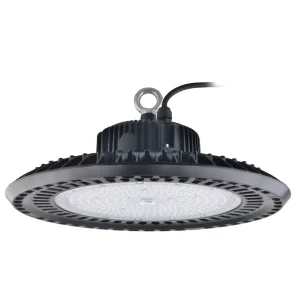
This shift is particularly prominent in industrial environments where operations run continuously. System reliability is paramount. When high-power luminaires are mounted on 20-meter high-masts or in flammable chemical zones, premature driver failures or quick luminous decay directly result in massive maintenance overheads and compromised safety. As a result, global procurement managers are moving away from baseline specifications and prioritizing suppliers that offer traceable quality metrics, robust thermal engineering, and deep OEM customizability.
Integrating advanced, high-efficiency architectures can cut commercial power demands by up to 70% compared to traditional metal-halide lamps, speeding up ROI timelines.
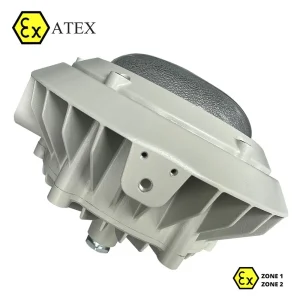
Explosion-proof design verified by ATEX and IECEx ensures that outdoor light installations inside oil and gas facilities, paint booths, and granaries operate without ignition risk.
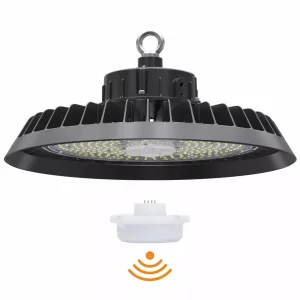
Smart outdoor setups leverage motion sensing, DALI 2.0 dimming, and cellular networks to deliver dynamic, on-demand lighting control across expansive logistics yards.
Centrally located in the heart of China’s optical engineering cluster, Guangdong Cool Lighting Electronic Co., Ltd is an established, vertically integrated industrial enterprise. Operating from a state-of-the-art 8,000-square-meter facility with 120 highly skilled technicians and automated assembly lines, our capability spans initial custom design and thermal simulation to automated SMD placement and severe environmental stress testing.
Unlike assembly companies that rely on generic off-the-shelf components, we maintain full control over our R&D process. Our physical labs house integrating spheres, photogoniometers for light-distribution curve mapping, IP waterproof chambers, and high-temp aging racks. This focus on engineering rigor ensures our high-power LED installations perform consistently in humid, dusty, and hazardous industrial conditions worldwide.
From die-cast aluminum tooling to custom PCBs, our 8,000 sqm facility minimizes manufacturing bottlenecks and controls production tolerances to maintain high quality control.
Our dedicated product R&D team provides specialized layout planning, custom color temperature matching, and structural component adaptations for complex projects.
Equipped with modern test equipment and robust burn-in procedures, our products comply with demanding international standards such as CE, CB, RoHS, and ATEX.
Every installation environment poses unique challenges. A street lighting project requires specialized optical control to minimize glare on roads while providing uniform coverage. Conversely, chemical refineries and petrochemical plants require explosion-proof classifications where any internal electrical spark must be fully isolated by the fixture casing to prevent safety hazards.
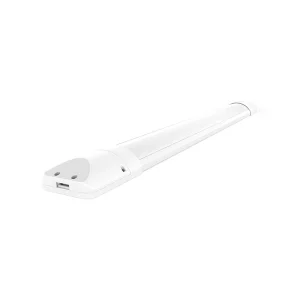
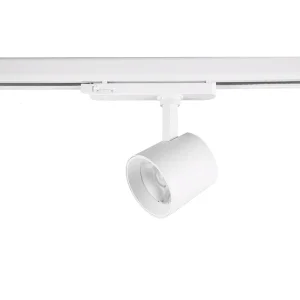
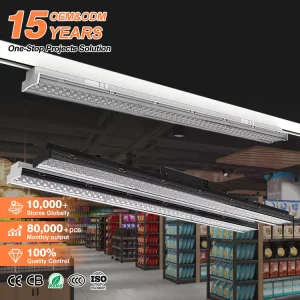
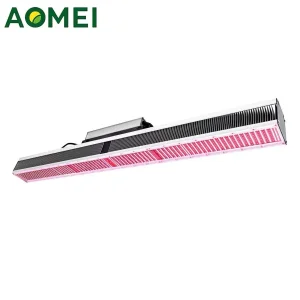
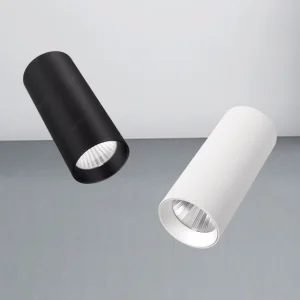
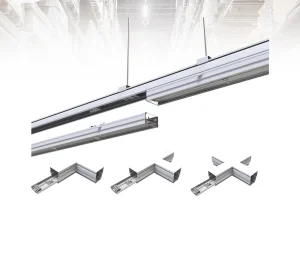
Meanwhile, modern retail centers and architectural facades require high-CRI, glare-controlled interior and exterior fixtures like COB tracklights and linear profiles. This ensures accurate product rendering and comfortable visibility while blending with the architectural design. In commercial greenhouses, specialized horticultural spectrums must target photosynthesis pathways, requiring high thermal dissipation to maintain constant photon output.


B2B procurement managers and electrical engineering consultants face significant risk when selecting supplier portfolios. Evaluating a supplier based on pricing alone is a major pitfall. To ensure performance over a multi-year project lifespan, procurement teams should evaluate suppliers on four key pillars:
LED chips degrade rapidly under excessive heat. High-quality outdoor fixtures use ADC12 grade die-cast aluminum heat sinks. The structure must be modeled with thermal dynamics software to maximize convection currents, ensuring junction temperatures stay below 85°C.
The power driver is often the first component to fail. Sourcing fixtures that use top-tier, certified components—such as Meanwell drivers—guarantees stable input-voltage protection, reduces ripple currents, and protects against surge transients.
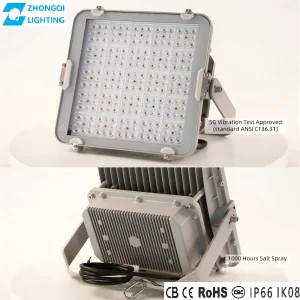
For outdoor and coastal projects, look for an IP65 or IP66 rating to prevent dust and water ingress. In addition, an IK08 or higher impact resistance rating ensures the fixture can withstand wind-blown debris, hail, and vandalism.
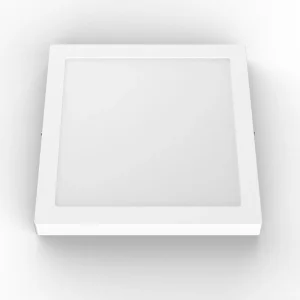
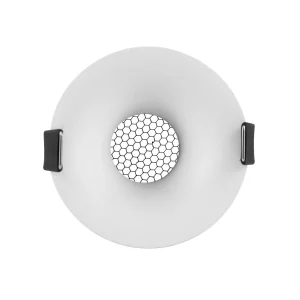
Modern commercial projects demand low Unified Glare Rating (UGR) levels. Utilizing secondary optical lenses or deep-set reflectors—such as those on high-quality downlights—minimizes eye strain while maintaining a clean, directional beam angle.
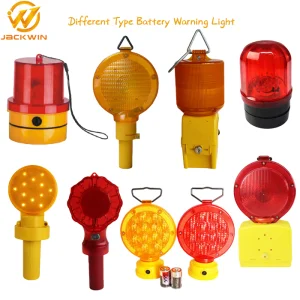
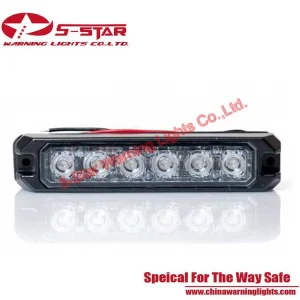
As we look towards the next decade, the integration of energy-harvesting technologies and intelligent controls will reshape the outdoor lighting landscape. Solar-powered hybrid setups are moving from residential gardens to municipal roadways and high-security industrial perimeters. By pairing high-efficacy LED strobe beacons with intelligent monocrystalline solar panels and long-life LiFePO4 battery storage, facilities can operate critical warning and safety lights completely independent of the main power grid.
Additionally, CCT-tunable fixtures are changing how large environments are lit. Instead of sticking with a single static color temperature, modern installations allow engineers to toggle between 3000K, 4000K, and 6000K settings using basic selector switches or remote control protocols. This versatility makes it easier to match lighting with ambient conditions, changing seasons, or specific site safety requirements, making it a favorite choice for large commercial and industrial properties.
 Cool Light