Engineered for extreme performance, compliance, and custom integration. Browse our high-demand OEM portfolio below.
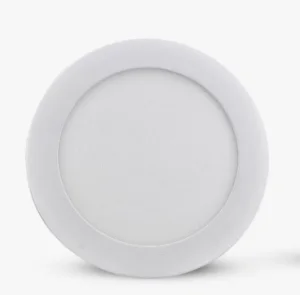
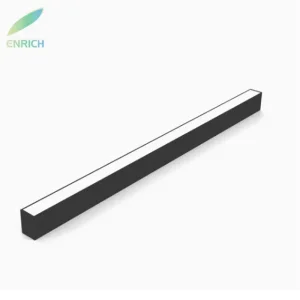
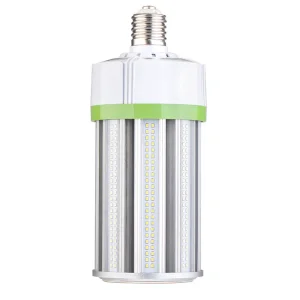
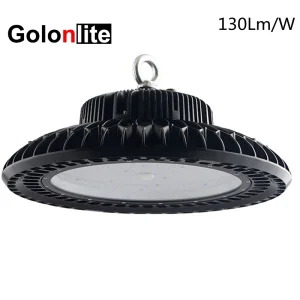
For engineering procurement directors, sourcing agents, and architectural designers, verifying the authenticity and capability of LED strip factories goes beyond superficial marketing metrics. It demands an understanding of key metrics: copper thickness (oz), MacAdam Ellipses (SDCM tolerance), die extrusion chemistry, and binning management systems. Without strict checks, common faults like color temperature shift, voltage drop, and thermal breakdown will compromise high-end commercial projects.
High-power strip lights run hot. Premium factories utilize dual-layer, 3oz rolled-annealed (RA) copper PCBs to minimize electrical resistance, ensuring uniform brightness and heat dissipation over long runs.
Top-tier factories operate within a <3-Step MacAdam Ellipse. This guarantees color consistency (SDCM < 3) across multiple production batches, avoiding distracting color variances in linear runs.
Silicone co-extrusion technology prevents yellowing and resists UV damage better than PVC. These strips remain flexible and maintain their IP rating in harsh climates.
An audit profile focusing on scale, customization capacity, supply chain integration, and testing protocols.
The manufacturing landscape for linear LED lighting is concentrated in key technology hubs. Top global manufacturers (such as Signify, Osram, Zumtobel, and Cree) drive high-end commercial specifications. Meanwhile, key Chinese smart manufacturing giants provide the scale, customization, and cost-efficiency that support these global supply chains.
As an original design manufacturer (ODM) and OEM supplier, Guangdong Cool Lighting Electronic Co., Ltd serves as a case study for supply chain efficiency in China's lighting hub. Spanning an 8,000 sqm modern manufacturing facility and employing 120 specialized technical professionals, the company manages complex production workflows with advanced R&D, manufacturing, and testing facilities.
By maintaining control over the design, engineering, and validation phases, they deliver customized OEM projects with high reliability. Their commercial-grade linear lights, panels, and track systems are used worldwide across diverse markets.

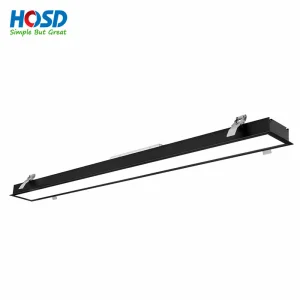
Architectural ceiling application integrating high-density SMD technology with unified dimming protocols for luxury commercial interiors.
View More >
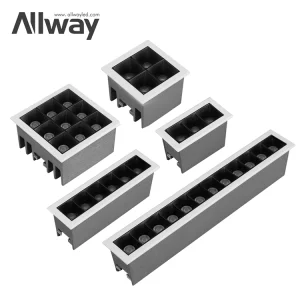
High-intensity chip-on-board downlighting installations designed for gallery spaces demanding superior CRI and zero glare.
View More >Continuous cove and architectural linear configurations tailored to global specifications.
Explore Custom Linear Design >How new semiconductor technologies, smart communications, and green manufacturing are reshaping linear lighting.
The transition from standard SMD (Surface Mount Device) to CSP (Chip Scale Package) and advanced COB (Chip on Board) configurations is accelerating. These technologies eliminate wire bonds, reduce thermal resistance, and minimize dark spots, delivering clean, dot-free lighting.
Meanwhile, smart controls are changing how lighting systems are managed. The integration of Matter over Thread, Casambi (BLE mesh), and DALI-2 / D4i drivers allows for color temperature tuning and energy optimization based on natural light patterns.
Our roadmap focuses on developing energy-efficient, long-lasting LED strip systems that integrate with building automation platforms.
Eliminating packaging substrates to pack LEDs closer together. This achieves up to 840 chips/meter for smooth light diffusion in shallow profiles.
Advanced multi-channel drivers recreate the natural daily sunlight spectrum, supporting circadian rhythms in healthcare, office, and residential environments.
Transitioning to mercury-free, halogen-free, bio-degradable silicone substrates and modular designs that simplify servicing and minimize electronic waste.
How high-performance linear light engines are customized to meet specific environmental requirements.
Outdoor lighting requires protection against moisture, UV radiation, and temperature extremes. Utilizing IP67/IP68 co-extruded silicone casing ensures long-term resistance to yellowing and cracking, providing clean vertical illumination.
Commercial displays demand accurate color representation. Designing lighting systems with a color rendering index (CRI) over 95 and high TM-30 values (Rf > 92, Rg > 100) ensures rich colors and clear details in high-end retail and hotel spaces.
Heavy industrial applications demand rugged construction. Waterproof canopy lights and chemical-resistant linear lights are built with IK10 impact ratings and IP65/IP66 ingress protection, ensuring reliable operation in harsh work zones.
Guangdong's lighting hub represents a complete, vertically integrated supply chain ecosystem. From semiconductor packaging to profile extrusion and driver manufacturing, this proximity reduces transit times and streamlines the development of customized components.
At Guangdong Cool Lighting Electronic Co., Ltd, we leverage these local strengths to offer efficient OEM/ODM customization. This enables rapid prototyping, custom lengths, and adaptable configurations while maintaining short lead times and consistent build quality.
Deploying products in North America, Europe, and Asia-Pacific requires strict adherence to regional safety and performance standards.
Our manufacturing processes follow strict international criteria, securing certifications such as CE, RoHS, UL, and FCC. This ensures that every lighting system meets energy efficacy, safety, and electromagnetic compatibility requirements worldwide.
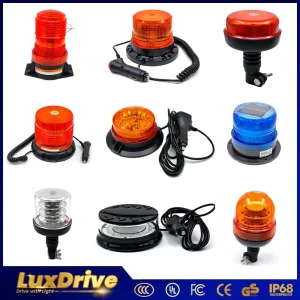
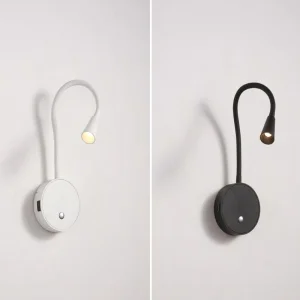
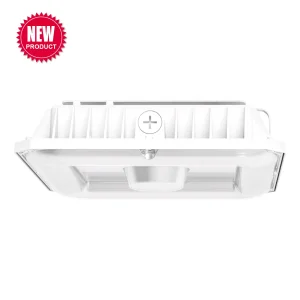
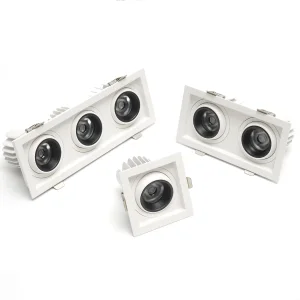
Reliable, field-tested luminaires designed for architectural details, outdoor applications, and industrial integration.
Technical answers to critical integration, engineering, and manufacturing questions.
PCB copper thickness (measured in ounces, e.g., 2oz, 3oz) directly affects the electrical resistance and thermal dissipation of the LED strip. Thicker copper (3oz) reduces voltage drop across longer runs, maintains consistent brightness from end to end, and helps dissipate heat away from the LED chips, extending their operational lifespan.
A MacAdam Ellipse defines a zone in chromaticity space where human eyes cannot easily perceive color differences. A "3-step" MacAdam Ellipse (SDCM < 3) represents a tight color tolerance, ensuring that color temperatures match consistently across different production runs. This is critical for seamless linear lighting installations.
Silicone co-extrusion offers superior resistance to UV exposure, ozone, and extreme temperatures compared to PVC. It does not yellow, harden, or crack over time. In addition, silicone maintains its flexibility in low temperatures and provides better thermal conductivity, helping protect the internal LEDs.
Running at a higher voltage (48V) reduces the current required to deliver the same power, which decreases electrical resistance losses. This allows for longer continuous runs without the need for additional power injection points, simplifying installation and wiring layouts.
Modern LED strip systems support various control protocols, including TRIAC, 0-10V, DALI-2, and PWM (Pulse Width Modulation) via smart mesh networks like Casambi or Zigbee. Compatibility depends on the selection of dimmable drivers that manage power output without visible flicker.
COB (Chip on Board) technology places LED dies directly on the PCB, creating a dense array covered by a continuous phosphor layer. This design eliminates visible light spots and shadows, delivering uniform, continuous linear illumination even when mounted in shallow profiles.
Our quality control process includes automated SMT manufacturing, optical validation using integrating spheres, thermal imaging, and continuous high-temperature aging tests. This systematic approach ensures all shipped units conform to international standards and project-specific requirements.
 Cool Light