Explore our premium architectural and landscape engineering luminaires. Tested rigorously for luminous efficacy, safety configurations, and ingress protection control.
Established as an industry-leading luminaire developer and direct exporter, our modern facility spans a total area of 8,000 square meters, utilizing an optimized workforce of 120 highly skilled operators and electronic assembly technicians. The company functions under a unified supply chain layout that encompasses cleanroom optical packaging, electronic surface-mount design (SMD), hardware assembly, and comprehensive photometric laboratory test operations.
By sustaining active manufacturing workflows and proprietary tooling lines, we retain absolute control over material grades and thermal management interfaces. This allows us to serve architectural projects with customized OEM and ODM solutions that conform to stringent international distribution standards.
Our engineering laboratory houses state-of-the-art diagnostic instruments, including integrated spheres, goniophotometers for spatial luminous intensity distribution curves, thermal mapping instruments, and IP rating test enclosures.
Our dedicated R&D squad works alongside international architectural design teams to resolve glare limitations, develop trimless plaster-in step lights, and maintain zero-drift color temperatures.
Understanding the operational, logistic, and supply-chain advantages of choosing an integrated manufacturer in Guangdong.
In the selection of LED step lights and pathway indicators, global procurement officers and landscape lighting designers prioritize long-term durability over initial unit costs. Guangdong, as the dominant global hub for solid-state lighting research and development, provides unparalleled infrastructure advantages that simplify quality execution and delivery logistics.
From aerospace-grade aluminum extrusion profile dies (such as 6063-T5 alloy) to precision optical PMMA lenses and high-conductivity thermal pastes, every material substrate is locally sourced within a 50-kilometer radius. This geographic convergence ensures raw material stability and significantly reduces delivery lead times, even for massive commercial orders.
Guangdong step light factories deploy high-pressure die-casting technology coupled with multi-axis CNC surface machining. This guarantees mechanical tolerances within ±0.05mm, which is vital for maintaining airtight seals, achieving certified ingress protection (IP65, IP67, and IP68), and avoiding water intrusion in humid outdoor installations.
Our proximity to world-class semiconductor packaging units enables the integration of top-tier chip brands (Cree, Osram, Nichia) with specialized step-down LED drivers (Meanwell, Lifud, Inventronics). This integration ensures high color consistency (SDCM < 3) and eliminates visual flicker, providing optimal performance in dimming applications.
Integrating step illumination requires specialized electrical parameters, mechanical profiles, and structural compliance protocols for specific locations.
Airports, transit terminals, and corporate campuses demand step lights designed with anti-vandalism ratings (IK10 minimum) and non-slip finishes. Flush-mounted, trimless linear profiles prevent tripping hazards, while optical baffles guide light downward to avoid upward glare, maintaining visual comfort for pedestrians.
High-end resorts, boutique hotels, and restaurants prioritize ambiance, warmth, and seamless architectural integration. Designers specify low-output fixtures (1W to 3W) operating on class 2, low-voltage power units (12V/24V DC) with warm, soothing color temperatures (typically 2200K to 2700K) to create an inviting environment.
Coastal projects, cruise ships, and oceanfront boardwalks expose step lights to salt air, high UV indexes, and chemical exposure. To prevent rust and degradation, structural casings must be machined from marine-grade 316L stainless steel or passivated, powder-coated copper-free aluminum.
Key technical innovations shaping the specification strategies of commercial lighting developers globally.
Advanced step lighting projects are shifting toward biodynamic controls. Integrated LED modules transition from daylight white (4000K) at twilight to promote safety, to deep amber colors (1800K to 2200K) late at night to minimize light pollution and support circadian rhythms.
Rather than placing individual internal step-down drivers inside small wall-recessed enclosures, modern system architectures rely on central class 2 power cabinets. This simplifies electrical wiring, improves fire safety, and consolidates maintenance zones into accessible utility spaces.
Environmental policies require strict control over light scatter. Innovative step lights feature internal optical cut-off shields and micro-prism diffusers. These components keep direct beam angles below the horizontal plane (0% uplight output), protecting nocturnal habitats.
Combining design flexibility with robust mechanical execution to deliver premium lighting products across global commercial, retail, and residential installations.
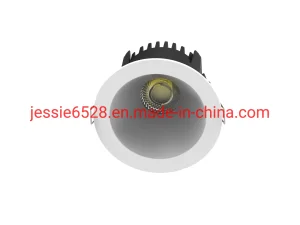
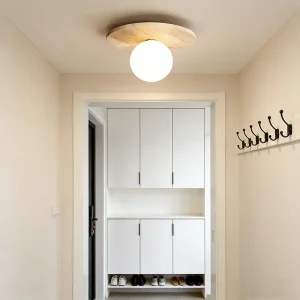
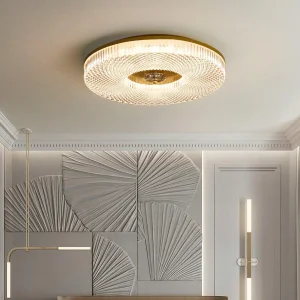
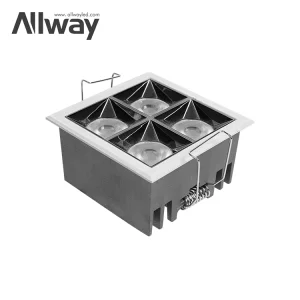
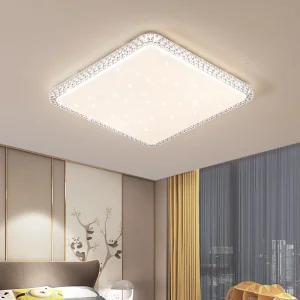
Optimized for wider spatial illumination, featuring lightweight heat-sink profiles and low-glare covers.
View More >
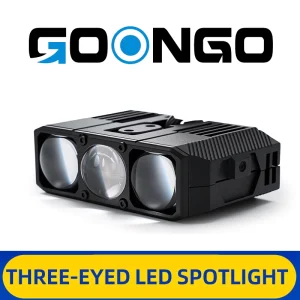
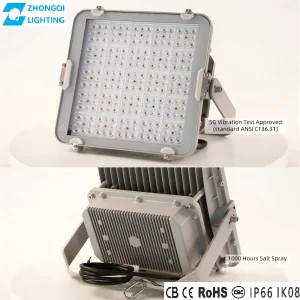
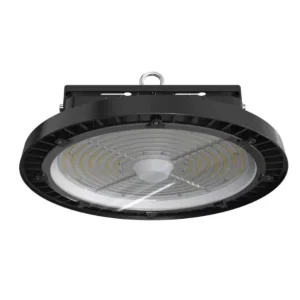
Delivering high center-beam candlepower, ideal for high-ceiling retail accentuation.
View More >
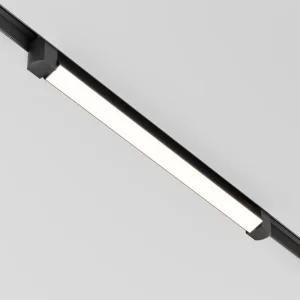
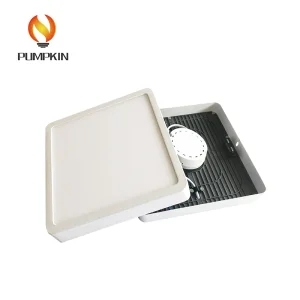
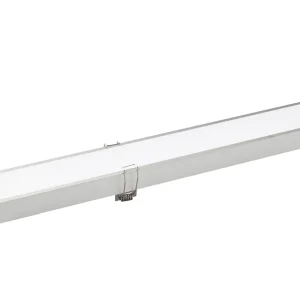
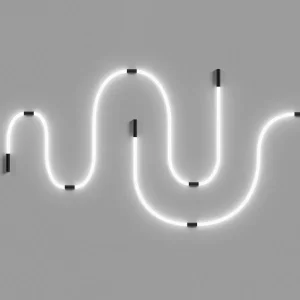
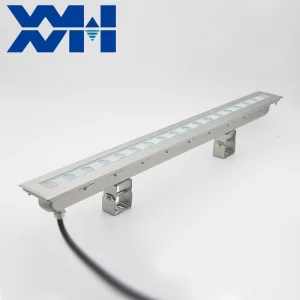
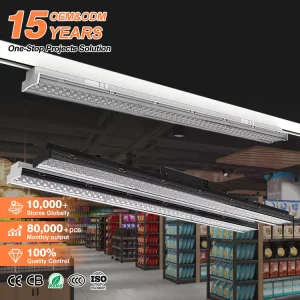
Unbroken lines of light tailored for modern geometric layouts and ceiling details.
View More >To avoid system failures, procurement officers should verify these key product specifications before importing LED step lights.
Step lights embedded in drywall or solid wood stairs lack natural airflow. Ensure the fixture features a dedicated aluminum heat sink (not thin plastic sheet wraps) and has thermal dissipation calculations showing a junction temperature (Tj) below 75°C at ambient temperatures of 40°C.
Indoor cleaning chemicals and outdoor rainfall can damage electrical systems. For outdoor steps, specify IP67 step lights with silicone gaskets and moisture barriers to prevent internal condensation caused by environmental temperature swings.
Uneven step light output can create dangerous shadows. Always request IES configuration files and ensure the luminaire provides unified illumination across the entire step surface. This prevents dark spots and maintains safety for pedestrians.
Get answers to common technical, electrical, and mechanical questions about selecting, importing, and installing LED step lights.
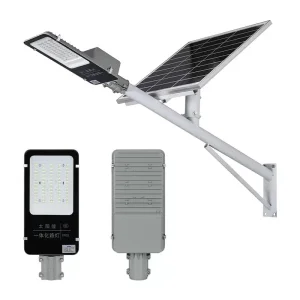
Explore our full range of lighting solutions, including high-output industrial fixtures, slim indoor panels, and accent lighting for diverse applications.
 Cool Light