Modern Lighting Design plays a crucial role in enhancing the aesthetics and functionality of any space. Good lighting not only illuminates but also influences mood and atmosphere. The right lighting can create a warm, inviting environment or a cool, energetic workspace. Understanding how to effectively use light sources is essential.
When embarking on a lighting project, consider the overall theme and purpose of the space. Different areas require distinct approaches to lighting. For instance, ambient light serves as the foundation, while accent lighting highlights specific features. Experimenting with different styles can yield valuable insights. Do you prefer minimalism, or is a bold statement more your style?
Many people overlook the importance of layering light. It’s not just about the fixtures; it’s about how they interact. Flexibility is key; it allows you to adapt the space for various activities. Recognizing your preferences can lead to better decisions. Mistakes in lighting design can diminish a room's potential. Reflect on these elements to achieve a harmonious balance in Modern Lighting Design.
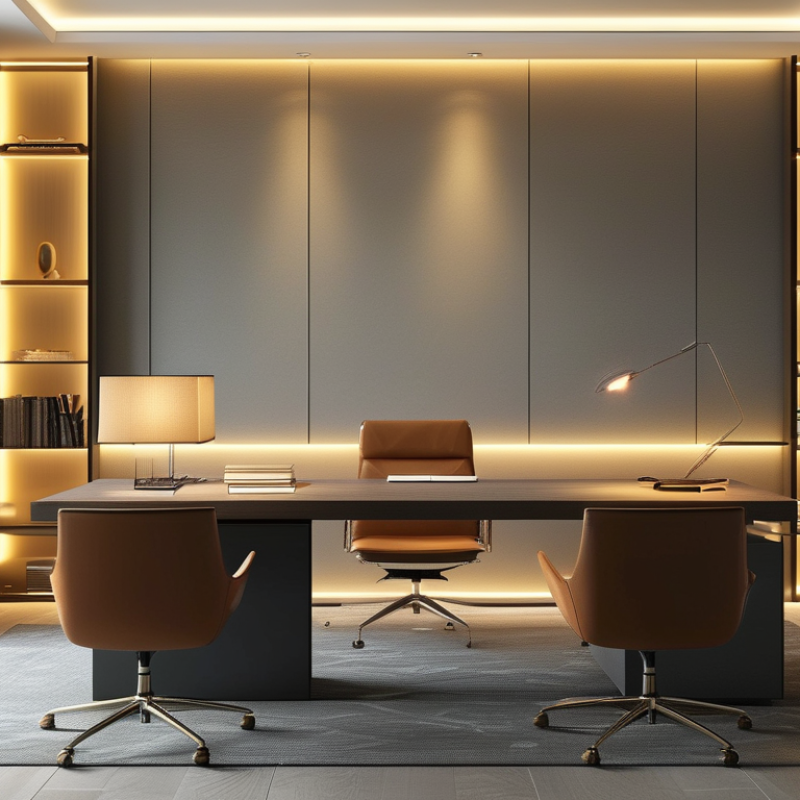
Understanding the Basics of Modern Lighting Design
Modern lighting design plays a crucial role in enhancing spaces. It impacts mood, functionality, and aesthetics. According to a report from the American Lighting Association, well-designed lighting can increase productivity by up to 20%. This highlights the importance of understanding lighting basics for effective design.
Consider different light sources: ambient, task, and accent. Ambient lighting provides overall illumination. Task lighting focuses on specific activities. Accent lighting highlights features or art. Each type serves a unique purpose. Balancing these can create a harmonious environment. However, many overlook the color temperature of lights. The right temperature can alter perception dramatically.
Dimming features and smart technology are not just trends; they are essentials. Reports indicate that 45% of homeowners are investing in smart lighting solutions. This provides flexibility and can improve energy efficiency. Yet, not every space needs bright white light. Warm light creates a cozy atmosphere, perfect for living rooms. Reflection on how spaces feel should guide choices. Ultimately, lighting design is a blend of creativity and knowledge, making it vital to continually explore this evolving field.
Top Tips for Modern Lighting Design in Your Space
This chart illustrates the importance level of different types of lighting in modern design. Ambient lighting is crucial for overall illumination, while natural light ranks high for its ability to enhance space.
Choosing the Right Type of Lighting Fixtures for Your Space
Lighting can transform a space dramatically. Choosing the right type of lighting fixtures is crucial. A recent industry report highlighted that 90% of interior designers view lighting as essential to their design approach. Various fixtures serve different purposes. Ambient, task, and accent lighting can coexist, creating layers of illumination.
Consider the size and aesthetics of your space. Overly large fixtures can overwhelm a small room. Conversely, tiny fixtures may get lost in expansive areas. A common mistake is to focus only on style, ignoring function. Task lighting should be bright enough for reading or working. According to experts, combining lighting types enhances both functionality and ambiance, reflecting personal style.
Choose LED fixtures for energy efficiency and longevity. They consume up to 75% less energy than traditional bulbs. However, the warmth and color of the light also matter. Cold, harsh light might feel sterile. Instead, opt for warmer tones to create a welcoming atmosphere. Remember, balance is vital; too much light can feel uncomfortable. Aim for a harmonious blend that suits your lifestyle.
Incorporating Natural and Artificial Light for Balance
Incorporating both natural and artificial light in design is essential for achieving a harmonious space. Studies show that
natural light can improve concentration and mental well-being, boosting productivity by up to 20%. Yet, many spaces lack adequate daylight, leading to a reliance on artificial light. Balancing both types creates an inviting atmosphere, enhancing the overall aesthetic and functionality.
When designing your lighting, consider using large windows or skylights to maximize natural light. Use sheer curtains to soften incoming sunlight. This provides a warm glow while reducing glare. For artificial lighting, layer different types: ambient, task, and accent. This multi-layered approach allows flexibility in creating different moods for various activities throughout the day.
Be mindful of the color temperatures of your bulbs. Warm white (around 2700K) is inviting and perfect for living areas, while cooler tones (4000K or above) are better for workspaces. However, over-reliance on artificial light can lead to fatigue. Always seek to enhance natural light first. Reflect on how light affects your space and mood, and adjust your design accordingly.
Leveraging Color Temperature to Influence Mood and Ambiance
Color temperature plays a significant role in setting the mood and ambiance of a space. Warm colors, like yellows and oranges, create a cozy atmosphere. They can make a living room feel more inviting. Similarly, cooler colors such as blues and greens promote calmness. This can be particularly effective in bedrooms or meditation areas.
When designing lighting, consider how the color temperature interacts with your furnishings. For instance, warm light complements wooden furniture well. It accentuates the rich tones and adds warmth to the environment. Conversely, cool light may enhance modern, sleek designs by providing a crisp and clean finish. Pay attention to how different bulbs and shades amplify these colors.
Experimentation is key. You might find that the expected results don’t always match reality. Test various light sources at different times of the day. You may discover that certain combinations fall flat or overwhelm the senses. Making adjustments can lead to a more harmonious design. Embrace the process, and let your space evolve through lighting.
Top Tips for Modern Lighting Design in Your Space
| Lighting Type |
Color Temperature (Kelvin) |
Mood/Ambiance |
| Warm White |
2700K - 3000K |
Cozy, Inviting |
| Neutral White |
3500K - 4100K |
Balanced, Focused |
| Cool White |
5000K - 6500K |
Energetic, Alert |
| Daylight |
6500K - 7500K |
Bright, Clear |
| Colored Lighting |
Variable |
Playful, Creative |
Innovative Lighting Techniques for Small and Large Spaces
When designing lighting for a space, both innovation and functionality are key. Innovative techniques can transform a small room into a cozy oasis. Consider accent lighting, which draws attention to specific areas without overwhelming the entire space. Simple wall sconces or LED strips can highlight artwork or architectural features. The goal is to create a layered effect that adds depth while making the space feel larger.
For larger spaces, pendant lights can become a focal point. They provide ample illumination while showcasing design elements. Choosing fixtures with dimmers enhances versatility, allowing you to adjust the ambiance easily. Natural light integration should also be considered; large windows paired with sheer curtains can soften the illumination, creating a warm atmosphere. Be mindful of how shadows play throughout the day. Sometimes, certain placements may not achieve the intended effect, leading to areas that feel too dark or harsh.
Incorporating smart lighting technology may help in achieving dynamic results. Adjustable color temperatures can suit various activities, from work to relaxation. However, it's essential to balance technology with the personality of the space. The wrong choice can make a room feel impersonal. Reflect on your personal style and needs to ensure that the lighting enhances your environment rather than overwhelms it.
FAQS
: Warm colors create a cozy atmosphere. Cooler colors promote calmness. This impacts spaces like living rooms and bedrooms.
Think about how lighting interacts with your furnishings. Warm light suits wooden furniture, while cool light enhances modern designs.
Testing different light sources can yield unexpected results. You may discover combinations that work better than anticipated.
Use accent lighting to highlight specific areas. Wall sconces or LED strips can create depth without overwhelming the space.
Pendant lights can serve as a focal point. Incorporate dimmers for adjustable ambiance and consider natural light sources.
Smart lighting offers adjustable color temperatures for different activities. Balance technology with personal style to avoid an impersonal feel.
Sometimes, lighting can create harsh shadows or overly dark areas. Adjusting placement can improve overall ambiance in your space.
Pay attention to shadows and how they change throughout the day. Details can make a significant difference in the final look.
Embrace the process of refining your lighting. Allow it to enhance your space over time, reflecting your personality and style.
Conclusion
Modern Lighting Design plays a crucial role in enhancing the aesthetic and functional aspects of any space. Understanding the basics, such as the different types of lighting fixtures available, is essential for creating a harmonious environment that meets your needs. Selecting the right fixtures not only impacts the overall look but also helps in achieving the desired ambiance.
Incorporating both natural and artificial light is key to achieving a balanced lighting scheme. Additionally, leveraging color temperature can significantly influence mood and enhance the atmosphere within a room. For those working with varying space sizes, innovative lighting techniques can maximize both small and large areas, allowing for versatility and creativity in design. By integrating these elements, one can create an effective and stylish Modern Lighting Design that transforms any space.

 Cool Light