In the evolving landscape of commercial lighting, selecting the right options becomes increasingly crucial. According to Mark Johnson, a leading expert in Commercial Lighting Selection, “Proper lighting can shape the atmosphere of a space.” His insight underscores the importance of deliberate lighting choices in commercial settings.
As we approach 2026, businesses face numerous challenges in their lighting decisions. Energy efficiency, technology advancements, and design aesthetics must all come into play. Each choice impacts both cost and the overall environment. Navigating through these options can be daunting, and many organizations feel overwhelmed.
Mistakes in Commercial Lighting Selection can lead to poor performance and unnecessary expenses. It is essential to evaluate lighting needs carefully. Addressing practical aspects, such as fixture types and placement, can transform an ordinary space into an inviting one. Understanding the balance between functionality and appearance is key.
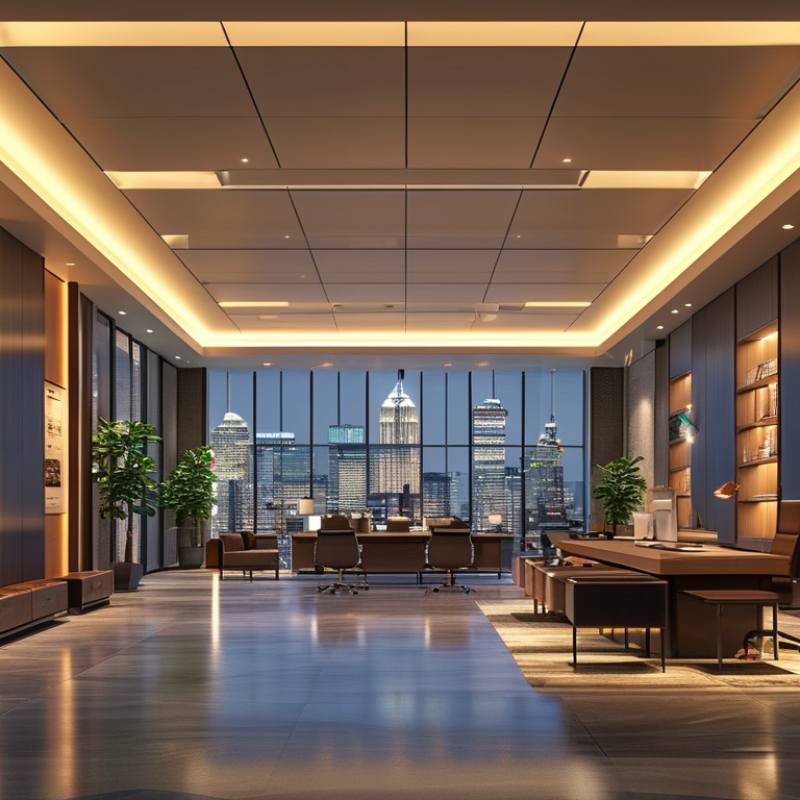
Commercial lighting selection in 2026 requires a focus on
sustainability and
energy efficiency. According to a 2022 report by the
U.S. Department of Energy, LED technology alone can reduce energy
consumption by up to 75%. This shift towards sustainable solutions drives a
need for careful evaluation of lighting systems to align with environmental goals.
Consideration for daylight integration is crucial.
Studies show that natural light can improve productivity by 15%. Utilizing
advanced controls allows for better management of light levels throughout the day. Additionally, consider the emotional
impact of lighting on employees and customers. Effective lighting can create a welcoming atmosphere, significantly
influencing customer behavior in retail environments.
However, not all lighting choices yield positive results. For example, concerns over glare and the quality of light can
negatively affect workplaces. The right color temperature is essential; studies indicate that cooler temperatures can enhance
alertness, while warmer tones promote relaxation. Further, installation costs and potential
maintenance challenges cannot be overlooked in budgeting decisions. An in-depth analysis of the long-term benefits versus
the initial investment is crucial for successful commercial lighting projects.
Commercial lighting is evolving rapidly. Businesses must stay informed about the latest technologies. Smart lighting and LED advancements dominate the landscape in 2026. These options offer energy efficiency and lower operating costs. Moreover, they provide exceptional control over brightness and color.
Another trend is the integration of IoT (Internet of Things) in lighting systems. Businesses can monitor energy usage more effectively and adjust settings remotely. This capability leads to enhanced convenience and substantial savings. However, the initial investment can be a concern for many. Companies should carefully weigh the long-term benefits against upfront costs.
It's vital to consider environment and ambience when selecting lighting. A well-lit space can improve employee productivity and customer experience. Yet, understanding the specific needs of the business environment remains challenging. Some managers might overlook the importance of a lighting strategy, leading to underwhelming outcomes. By staying current and applying thoughtful consideration, businesses can truly shine in their lighting choices.
Understanding the latest lighting technologies for businesses is crucial for maximizing efficiency and improving the work environment. The bar chart below illustrates the top considerations for commercial lighting selection based on recent trends.
In 2026, energy efficiency standards will significantly shape commercial lighting choices. According to the U.S. Department of Energy, improved energy efficiency can reduce lighting energy use by over 30%. Businesses must adapt. Choosing the right lighting is crucial for compliance and sustainability.
Tip: Prioritize LED lighting. It offers long life and lower energy consumption. Studies show that LEDs can reduce energy costs by up to 75%. However, not all LEDs meet efficiency standards. Research is essential to ensure compliance and optimal performance.
Consider daylighting solutions. Integrating natural light cuts reliance on artificial sources. According to the National Renewable Energy Laboratory, well-designed daylighting can decrease energy use by 20-50%. Yet, improper design can lead to glare and discomfort. Evaluate your space carefully to avoid common pitfalls.
Another key point is luminaire selection. Investing in high-quality fixtures ensures longevity and efficiency. Cheap fixtures often result in higher long-term costs. Balancing initial investment with future savings is vital for smart decision-making.
When selecting commercial lighting, aesthetics and functionality are vital. Creating an inviting atmosphere improves employee productivity and customer satisfaction. According to a report by the International Facility Management Association, about 68% of employees feel more engaged in well-lit workplaces.
Lighting affects mood and perception. Choose fixtures that complement interior design. Incorporating ambient and task lighting harmonizes work areas and shared spaces. Use dimmers to adjust light levels based on tasks. This flexibility supports both individual focus and collective collaboration.
Also, consider energy efficiency. The U.S. Department of Energy states that LED lighting can save businesses up to 75% in energy costs. This not only helps the planet but also reduces operating expenses. Balancing eco-friendliness with design enhances brand image.
Lastly, be aware of common pitfalls. Don't overlook maintenance. Harsh lighting can create shadows and glare. Always evaluate how different lighting scenarios impact the overall space. A thoughtfully selected lighting strategy can elevate your commercial environment.
When selecting commercial lighting solutions in 2026, evaluating costs versus returns is crucial. The initial investment can be significant, often leading businesses to hesitate. However, the long-term savings and efficiency gains are worth a closer look. Lighting accounts for a large portion of energy consumption; thus, energy-efficient options can lead to decreased utility costs.
It's essential to consider total cost of ownership (TCO). This includes not just purchase prices, but also maintenance and operational efficiencies. For instance, LED fixtures may have higher upfront costs, but their lifespan and lower energy use often result in better ROI. Tracking these metrics can become complex, requiring careful analysis.
Additionally, understanding the payback period helps visualize when you'll recoup your investment. Yet, many businesses struggle with this calculation, leaving potential savings on the table. It's a common oversight that may stem from a lack of expertise in energy management. A thorough evaluation of lighting solutions can reveal both risks and rewards, guiding informed decisions in commercial lighting selection.
: Energy efficiency standards will shape lighting choices, potentially reducing energy use by over 30%.
LED lighting lasts longer and consumes less energy, decreasing costs by up to 75% compared to traditional options.
Daylighting uses natural light to reduce artificial lighting reliance. It can cut energy use by 20-50% if well-designed.
Investing in quality fixtures ensures longevity and efficiency, preventing high long-term costs from cheaper alternatives.
Good lighting creates inviting atmospheres, improving engagement. About 68% of employees feel better in well-lit spaces.
Aesthetic fixtures can enhance interior design, improving mood and perception within the workspace.
TCO includes upfront costs and long-term savings. It helps businesses understand true expenses and benefits.
It can be difficult to calculate, often leading to missed savings. Lack of expertise in energy management contributes to this.
Neglecting maintenance, overlooking glare, and failing to assess light impact on space can harm overall effectiveness.
Combining eco-friendly options while focusing on design can enhance brand image and reduce operational costs.
In 2026, effective Commercial Lighting Selection is essential for businesses seeking to create functional and aesthetically pleasing environments. Key considerations include understanding the latest lighting technologies that enhance both energy efficiency and operational performance. As energy efficiency standards evolve, companies must assess how these regulations affect their lighting choices, ensuring compliance while maximizing sustainability benefits.
Additionally, the design of commercial spaces should balance aesthetics with functionality, promoting an inviting atmosphere for customers and employees alike. Evaluating costs and the return on investment for different lighting solutions will be crucial, as organizations look to maximize their budgets while achieving long-term benefits. Ultimately, a strategic approach to lighting selection can lead to significant advantages in terms of energy savings and improved workplace environments.

Cool Light