Choosing the right indoor lighting fixtures can transform your space and elevate your mood. Understanding how to pick indoor lighting fixtures is essential for creating a comfortable atmosphere in your home. The wrong choice can lead to harsh lighting or dim corners that feel uninviting.
Consider the purpose of each room before selecting fixtures. For example, kitchens require bright, functional lighting, while bedrooms benefit from softer, warmer tones. This balancing act can be tricky. Experimenting with different styles may lead to unexpected results.
Pay attention to the size and scale of your fixtures. Oversized lights can overwhelm a small room. Conversely, tiny fixtures may seem insignificant in a large space. Striking the right balance enhances the overall design. Keep in mind that investing in quality fixtures is essential for durability and style. Not all trends age well, so consider timeless designs. Ultimately, choosing the right indoor lighting takes thought and experimentation, but the results can be worth it.
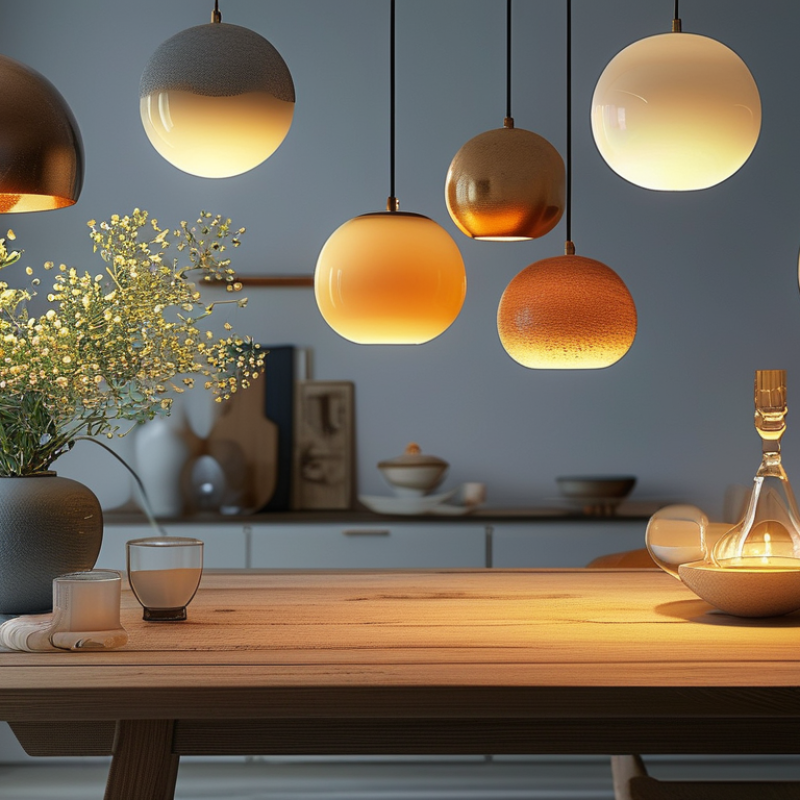
Understanding Different Types of Indoor Lighting Fixtures
Choosing the right indoor lighting fixtures is crucial for setting the mood and functionality of your spaces. Understanding different types of lighting can help with this choice. Generally, there are three main types: ambient, task, and accent lighting, each serving a unique purpose in your environment. According to the American Lighting Association, proper lighting can increase productivity by up to 15%.
Ambient lighting provides overall illumination. It creates a comfortable level of brightness without glare. This can include ceiling fixtures, chandeliers, or recessed lights. Task lighting, however, focuses on specific areas where activities happen. Reading lamps and under-cabinet lights fall into this category. Finally, accent lighting brings attention to particular architectural features or artwork. Spotlights and wall sconces are common examples.
Choosing the right lighting should also consider energy efficiency. The U.S. Department of Energy reports that lighting accounts for about 10% of energy use in homes. Integrating energy-efficient options, like LED fixtures, can significantly reduce this cost. Nonetheless, the initial investment might cause hesitation. Balancing upfront costs with long-term savings can be challenging. Understanding these types is a step toward making informed choices that last.
Assessing the Purpose and Functionality of Lighting in Spaces
When selecting indoor lighting fixtures, understanding the purpose and functionality is crucial. Lighting is not merely decorative; it impacts mood, productivity, and overall comfort. Assess spaces to determine what light is needed. Are you illuminating a workspace, or creating ambiance in a living room?
Consider functional lighting for specific tasks. For example, bright task lighting works well in kitchens or offices. Soft, warm lights can enhance relaxation in bedrooms or sitting areas. Don't forget about layering lights. Combine ambient, task, and accent lighting to achieve balance. This helps avoid harsh shadows and creates depth.
Think about the fixture style too. It should harmonize with your space while providing adequate light. An oversized fixture may overwhelm a small room, while a tiny one might look lost in a large area. Check the wattage and type of bulbs used to ensure brightness meets your needs. Test the lighting in the evening to see how it alters the space. Sometimes, what looks good in the store may not translate well at home.
Considering Aesthetic Appeal and Style Compatibility
When choosing indoor lighting fixtures, aesthetic appeal and style compatibility are crucial. The right fixture should complement your existing decor. Consider the color schemes and textures in your room. A modern pendant light may clash with rustic furniture. Take a moment to visualize how different styles will interact with each other.
Textures matter, too. Matte finishes can offer a subtler look, while glossy finishes reflect light differently. Pay attention to the shape and size of the fixture. An oversized chandelier can dominate a small space, making it feel cramped. On the other hand, a tiny lamp might get lost in a large room. Experiment with different layouts using mock-ups or sketches.
Don’t rush your decision. Sometimes, the first choice isn’t the best one. After living with a fixture, you might find it doesn’t resonate with your original vision. If something feels off, think about how you can correct it. Lighting is not just functional; it should evoke the right mood for your space. Remember, your lighting says a lot about who you are and your home.
Top 10 Tips for Choosing Indoor Lighting Fixtures
Evaluating Energy Efficiency and Bulb Options
When selecting indoor lighting fixtures, energy efficiency must be a key consideration. Energy-efficient bulbs, such as LEDs, use significantly less electricity than traditional options. They can last up to 25 times longer, providing both savings and longevity. However, not every energy-efficient bulb offers the same quality of light. It's essential to check the color temperature. Bulbs with a warmer hue can create a cozy atmosphere, while cooler tones are better for a more productive environment.
Understanding lumens is also critical. It measures brightness, and choosing the right lumens will enhance your space effectively. A common mistake is to underestimate the lighting needs of a room, leading to dim, uninviting areas. On the flip side, excessive brightness can be harsh. Think about layers of light too. Ambient, task, and accent lighting can work together seamlessly.
While choosing energy-efficient fixtures may seem straightforward, there are pitfalls. Research can reveal new options that weren’t initially considered. Investigate varying designs and styles that complement your home. Sometimes, energy efficiency left unchecked can lead to aesthetic sacrifices. It’s vital to balance function and style to ensure your space feels inviting without compromising on efficiency.
Budgeting and Sizing for Your Indoor Lighting Needs
When budgeting for indoor lighting, it’s essential to consider the costs involved. Fixtures can vary widely in price. Setting a clear budget helps narrow down options. You might find attractive fixtures that match your style, yet stay within your financial means. Don't overlook the importance of energy-efficient bulbs. While they may have a higher initial cost, they save money in the long run.
Sizing your lighting is equally critical. The height of ceilings impacts your choice of fixtures. For higher ceilings, consider larger chandeliers or pendant lights. They create a focal point and provide ample illumination. In contrast, lower ceilings require flush or semi-flush fixtures. Scale matters greatly, as oversized fixtures can overwhelm a room, while too small will leave spaces uninviting.
Balancing style and functionality is an art. You want your space to feel welcoming. Lighting should enhance the atmosphere without being overpowering. Think about how lighting affects different activities. For instance, brighter lights are ideal for cooking, while softer options help create relaxation zones. Each room has its unique needs. Regularly assessing your lighting needs encourages thoughtful updates.
Top 10 Tips for Choosing Indoor Lighting Fixtures
| Tip Number |
Tip Description |
Budget Considerations |
Sizing Recommendations |
| 1 |
Determine your lighting needs based on the room's function. |
Allocate 15% of your total room budget for lighting. |
Use 100 watts per 50-75 square feet. |
| 2 |
Layer your lighting: ambient, task, and accent. |
Budget for a mix, typically 60% ambient, 30% task, 10% accent. |
Consider fixture height and room proportions. |
| 3 |
Choose energy-efficient options to save on long-term costs. |
Invest in LED fixtures despite higher initial costs. |
Ensure suitable lumens per fixture. |
| 4 |
Select fixtures that complement your room's style. |
Don’t compromise on style for price, balance both. |
Keep proportion in mind (size and scale). |
| 5 |
Adjust brightness with dimmers for flexibility. |
Dimmers add minimal cost but enhance control. |
Plan for dimmer compatibility with bulbs. |
| 6 |
Consider the color temperature of bulbs. |
Warm white bulbs are typically more desirable. |
Match color temp to room mood. |
| 7 |
Take advantage of smart lighting technology. |
May require additional upfront investment. |
Ensure your smart system can handle the fixtures. |
| 8 |
Evaluate the maintenance requirements of fixtures. |
Higher maintenance may increase overall budget. |
Opt for fixtures that are easy to clean and replace. |
| 9 |
Plan your layout before purchasing fixtures. |
Use design software or templates to map your layout. |
Measure spaces before purchasing to avoid fit issues. |
| 10 |
Seek professional advice if needed. |
Consulting fees may vary; find a budget-friendly option. |
Professionals can help with custom sizing solutions. |
FAQS
: There are three main types: ambient, task, and accent lighting. Each type serves a unique purpose.
Ambient lighting provides overall illumination. It offers a comfortable brightness without glare.
Task lighting focuses on specific areas for activities. Examples include reading lamps and under-cabinet lights.
Accent lighting highlights particular features or artwork. Common examples are spotlights and wall sconces.
Lighting accounts for about 10% of home energy use. Energy-efficient options can reduce costs over time.
Think about the purpose, fixture style, and how it harmonizes with your space.
Layering combines ambient, task, and accent lighting for balance, avoiding harsh shadows and adding depth.
An oversized fixture can overwhelm a small room, while a tiny fixture may get lost in a larger space.
Lighting appears different at night. What looks great in the store might not work well at home.
Initial investments can be daunting. Weigh the costs against energy savings over time for a better decision.
Conclusion
When considering how to pick indoor lighting fixtures, it's essential to understand the various types available and their specific uses. Different spaces require different lighting solutions, so assessing the purpose and functionality of lighting is crucial. Moreover, the aesthetic appeal and style compatibility of fixtures should align with your interior decor, ensuring a cohesive look throughout your home.
Additionally, evaluating energy efficiency and bulb options can lead to both cost savings and a reduced environmental impact. Lastly, careful budgeting and sizing for your lighting needs will ensure that you make informed decisions that enhance both the practicality and ambiance of your indoor spaces. By taking these factors into account, you can effectively choose the right lighting fixtures that meet your needs and preferences.

 Cool Light