2026 Top LED Linear Lighting for Commercial Spaces Explained?

Time:2026-02-05 Author:Sienna
0%

The world of commercial lighting is evolving at a swift pace. LED Linear Lighting for Commercial spaces is becoming increasingly popular, offering numerous benefits. These lights provide a sleek and modern aesthetic, attracting consumers and enhancing usability.

One major advantage is energy efficiency. LED linear lights consume less power while providing strong illumination. However, some businesses may overlook this feature. This oversight can lead to increased expenses over time.

Design flexibility is another factor. LED linear fixtures can adapt to various environments, from office spaces to retail shops. Yet, not all businesses consider the specific needs of their spaces. Finding the right balance can be challenging, requiring careful thought. Ultimately, investing in quality LED Linear Lighting for Commercial applications can transform any area. Embracing innovation in lighting can lead to enhanced experiences for both customers and employees.
2026 Top LED Linear Lighting for Commercial Spaces Explained?

Overview of LED Linear Lighting in Commercial Spaces

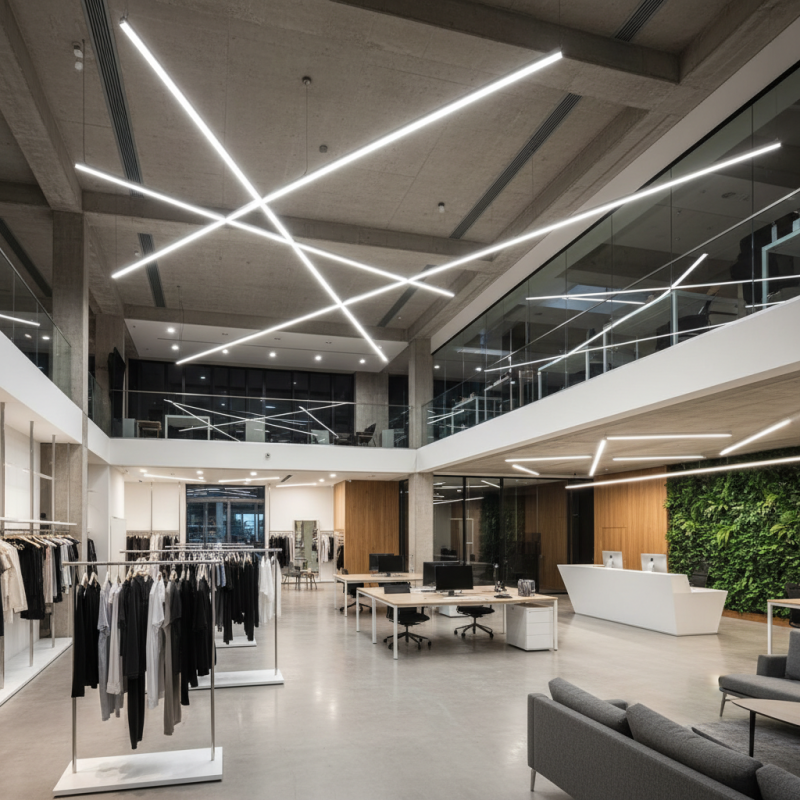
LED linear lighting offers versatility for commercial spaces, transforming the ambiance and functionality of areas like offices and retail shops. These fixtures come in various lengths and designs, allowing seamless integration into ceilings and walls. Their slim profile ensures they don't overwhelm a space while providing focused illumination. However, achieving the right balance of light can be complex, as poor placement may lead to dark corners.

Incorporating LED linear lights can enhance energy efficiency, using less power than traditional options. The choice of color temperature can change the atmosphere significantly. Cool white light energizes, while warm light creates a cozy feel. But businesses must consider how different colors affect customer behavior. There's a fine line; too bright can feel harsh, and too dim may seem uninviting.

Flexibility is key when planning installation. Lights can be mounted in rows or patterns. This provides unique design opportunities but requires careful attention to layout. Misalignment can disrupt the flow of a room, negating the aesthetic benefits. Sound planning ensures that these fixtures highlight architectural features effectively, creating an inviting space.

Key Benefits of LED Linear Lighting for Businesses

LED linear lighting is becoming increasingly popular in commercial spaces. Businesses can benefit significantly from this technology. One of the main advantages is energy efficiency. LED fixtures consume less power compared to traditional lighting. This saves money on electricity bills over time.

Another benefit is the long lifespan of LED lights. They can last up to 50,000 hours or more. This reduces the frequency of replacements. Fewer replacements mean lower maintenance costs. However, it’s important to note that not all LED lights are created equal. Some may not perform well in certain environments.

Moreover, LED linear lights provide versatility in design. They suit various commercial settings, from offices to retail spaces. The quality of light is often superior, enhancing the ambiance. Yet, this advancement may require an initial investment. Businesses should weigh the pros and cons carefully. Balancing upfront costs with long-term savings is important.

Key Benefits of LED Linear Lighting for Businesses

Top Features to Consider When Choosing LED Linear Lights

When choosing LED linear lights, several key features require close attention. The lumen output is crucial. A study by the Lighting Research Center highlights that optimal brightness can improve productivity in workspaces. Selecting fixtures with 100 to 150 lumens per watt is ideal for commercial environments. This efficiency translates into significant energy savings over time.

Color temperature also plays a vital role in creating the right ambiance. A temperature of 3500K to 4000K promotes a balanced environment for task-oriented spaces. This range supports focus while avoiding excessive glare. Additionally, consider the beam angle—wider angles increase the light distribution. However, this can lead to light pollution if not managed wisely.

Dimming capabilities are another important aspect. According to a report from the U.S. Department of Energy, dimmable LED lights can save up to 30% more energy. Yet, not all dimmable fixtures offer smooth transitions. It may create flickering problems. Therefore, opting for high-quality drivers mitigates these issues. They enhance lighting control and user comfort, creating a more efficient workspace.

Popular LED Linear Lighting Trends in 2026

In 2026, LED linear lighting continues to evolve in commercial spaces. A significant trend is the focus on energy efficiency. Reports estimate that energy-efficient lighting can save businesses up to 40% on energy bills annually. This is a game-changer for companies looking to reduce overhead costs.

Another trend is customization. Businesses are looking for lighting solutions that can adapt to different environments. The push for flexible designs allows for various lengths and color temperatures. This adaptability helps create the desired ambiance for specific areas, from reception areas to break rooms. Unfortunately, not all installations achieve the perfect balance. Many end up with harsh lighting or inadequate illumination.

Sustainability is also essential. More businesses are prioritizing eco-friendly materials. According to recent studies, LED lighting reduces carbon footprints significantly. This response to climate change is a critical consideration for many companies today. However, while the trend is promising, not every project considers long-term sustainability. It’s vital to reflect on the real impact of these choices within commercial design.

Installation and Maintenance Tips for LED Linear Fixtures

Installing LED linear fixtures in commercial spaces can greatly enhance lighting quality. Proper installation is crucial for optimal performance. Begin by ensuring that the fixtures are positioned at appropriate heights. The ideal height often ranges from 8 to 12 feet for general lighting. Use measuring tools for precision. It’s easy to underestimate the need for even spacing. Fixtures placed too closely can create harsh shadows.

Regular maintenance is essential for longevity. Cleaning the fixtures periodically helps maintain brightness. Dust and dirt can accumulate quickly. Use a damp cloth or appropriate cleaner. Be cautious; aggressive cleaning can damage the surface. Checking the wiring every few months is also vital. Look for any signs of wear or damage. Replacing damaged components can prevent bigger issues later. Keeping a maintenance log helps track issues over time.

In some cases, employing a professional might be wise. Mistakes during DIY installation can lead to inefficiencies. Ensure you follow local building codes as well. Finding that perfect balance of aesthetics and function can be challenging. Adjusting the lighting after installation is often necessary. Don't hesitate to experiment with different configurations to find what works best.

FAQS

: What do I need to start a new project?

: You need a clear idea, resources, and a dedicated team. Planning is key to success.

How can I ensure good communication in my team?

Regular meetings and open channels help. Encourage team members to express their thoughts.

What should I do if my project faces delays?

Assess the reasons for delays. Adjust timelines or resources as needed to get back on track.

How can I measure project success?

Define clear metrics before starting. Look at quality, time, and budget to evaluate success.

How can I improve my leadership skills?

Practice active listening and empathy. Reflect on feedback and adapt your approach to different situations.

What if I encounter conflicts within my team?

Address conflicts promptly. Encourage open discussions to understand different perspectives and find solutions.

Is it normal to make mistakes during a project?

Yes, mistakes happen. Learn from them and adapt your strategies to avoid repeating them.

How can I keep my team motivated?

Celebrate small wins and encourage collaboration. Recognizing individual contributions can boost morale.

Conclusion

LED Linear Lighting for Commercial has become an essential consideration for businesses aiming to enhance their workspaces. This lighting solution provides several key benefits, including energy efficiency, long lifespan, and improved aesthetic appeal, making it an attractive choice for various commercial environments. When selecting LED linear lights, businesses should prioritize features such as lumen output, color temperature, and dimming capabilities to ensure they meet both functional and design needs.

As we look towards 2026, emerging trends in LED linear lighting include smart lighting controls and customizable designs that adapt to different commercial settings. Proper installation and maintenance are crucial for maximizing the longevity and performance of these fixtures, ensuring that businesses not only save on energy costs but also create inviting and productive atmospheres. Overall, investing in LED Linear Lighting for Commercial spaces can significantly impact operational efficiency and employee satisfaction.

Sienna

Sienna

Sienna is a skilled marketing professional with a deep expertise in our company’s core products and services. With a passion for innovation and detail, she plays a pivotal role in crafting insightful blog posts that not only highlight the unique features of our offerings but also provide valuable......