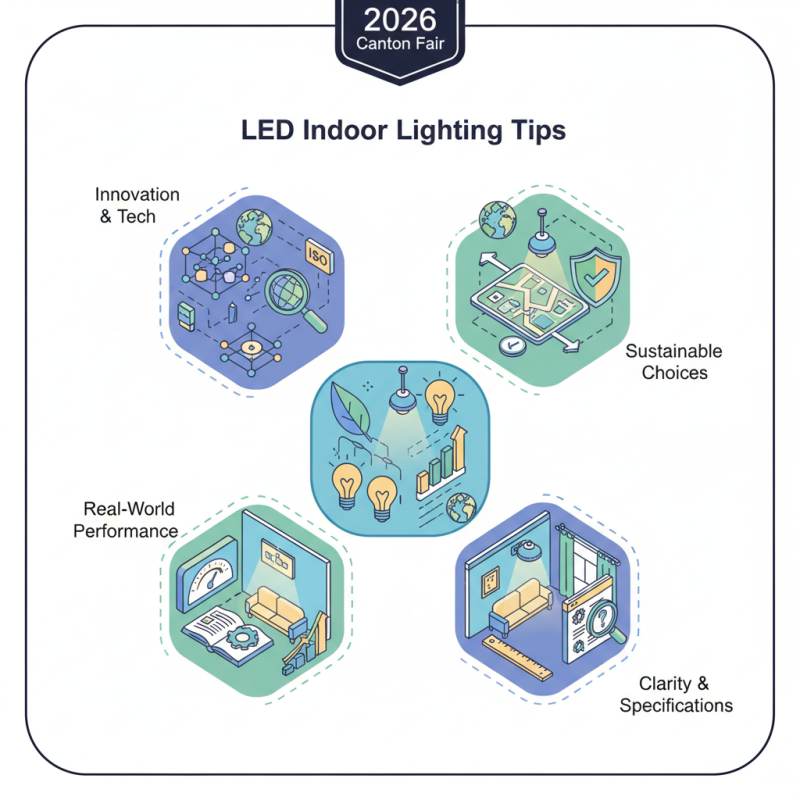
As the 2026 Canton Fair approaches, global buyers seek innovative solutions in LED Indoor Lighting. According to lighting expert John Smith, "Effective lighting transforms a space." This insight is crucial for buyers navigating the vast selection at the fair.
The event features advanced technology, including AI-driven search and navigation, to enhance the experience. With 1.55 million square meters of exhibits, efficient transition is vital. Buyers can easily filter vendors based on specific qualifications, like ISO and CE certifications.
Exploring sustainable LED Indoor Lighting options should be a top priority. While many products claim efficiency, assessing real-world performance is key. Not every solution will meet the environmental criteria or aesthetic needs. Buyers are encouraged to seek clarity on product specifications to avoid potential pitfalls in their selections. The right approach can lead to rewarding investments for both buyers and suppliers.
LED indoor lighting is crucial for enhancing the ambiance and functionality of spaces. It offers energy efficiency and cost savings, which are important factors for buyers. According to a report from the International Energy Agency, LED lighting can reduce energy consumption for general lighting by up to 80% compared to traditional incandescent bulbs. This means significant savings may be attainable over time.
Moreover, LED lights have a longer lifespan. They last up to 25,000 hours, making them an attractive choice for those looking to minimize replacement costs and waste. In terms of color temperature, LEDs provide flexibility. Buyers can choose from warm white to cool daylight options, contributing to various moods in different settings. However, buyers should consider potential challenges, such as the initial higher cost of LEDs.
Quality can vary widely among different products. It’s essential to research specifications and standards. Not all LED lights are created equally, and low-quality options might not deliver the promised efficiency. It's crucial for buyers to evaluate lighting quality, heat emission, and materials used. Overlooking these factors could lead to unsatisfactory lighting experiences.
: Key factors include light placement, color temperature, and room dimensions. Each affects ambiance and functionality.
Warm white lights create coziness, while cooler lights enhance focus. This can significantly influence performance in a space.
Over-lighting or under-lighting causes discomfort. Proper measurements help determine the needed lumen output for optimal lighting.
Shiny surfaces reflect light, and darker surfaces absorb it. Balancing these elements is crucial for effective lighting.
Focus on quality over pricing. Look for certifications and ask detailed questions about their products and processes.
Check brightness and color accuracy. Any inconsistencies may indicate lower quality. Be critical about your evaluations.
Build relationships with manufacturers. Address questions or interests post-event to maintain communication and interest.
Many overlook room dimensions and focus too much on price. This can lead to poor lighting choices and dissatisfaction.
The article "Top 5 LED Indoor Lighting Tips for Global Buyers at 2026 Canton Fair" emphasizes the significance of LED Indoor Lighting for buyers in the market. It highlights the key features to consider when selecting LED products, such as brightness, color temperature, and dimming capabilities, which are crucial for optimizing indoor environments. The article also discusses the importance of evaluating energy efficiency ratings to ensure sustainability and cost-effectiveness in lighting solutions.
Additionally, it delves into design considerations for creating effective LED Indoor Lighting layouts that enhance ambiance and functionality within spaces. Lastly, it stresses the importance of connecting with reliable LED manufacturers at the Canton Fair to establish partnerships that can lead to high-quality lighting solutions. This comprehensive guide aims to empower global buyers with the knowledge needed to make informed decisions in the evolving landscape of indoor lighting.

 Cool Light