In the realm of modern interior design, "LED Ceiling Light Design" has emerged as a transformative trend. According to a recent report by the International Lighting Organization, the use of LED lighting has increased by 50% in residential spaces over the past five years. This surge reflects a growing demand for energy-efficient and aesthetically pleasing solutions.
Design expert Thomas Green, who specializes in lighting technology, states, “LED ceiling lights not only enhance visibility but also create an ambiance that defines a space.” His insights underline the importance of integrating functional and artistic elements in ceiling light design. Modern homes now prioritize both energy efficiency and visual appeal, making LED options a popular choice.
However, while selecting LED ceiling lights, homeowners often face challenges. Choosing the right design can be overwhelming due to the myriad of styles available. It’s important to balance personal taste with practicality. As trends evolve, the need for thoughtful consideration becomes essential in achieving an ideal lighting atmosphere. The future of "LED Ceiling Light Design" promises endless possibilities, but careful reflection on choices remains crucial.
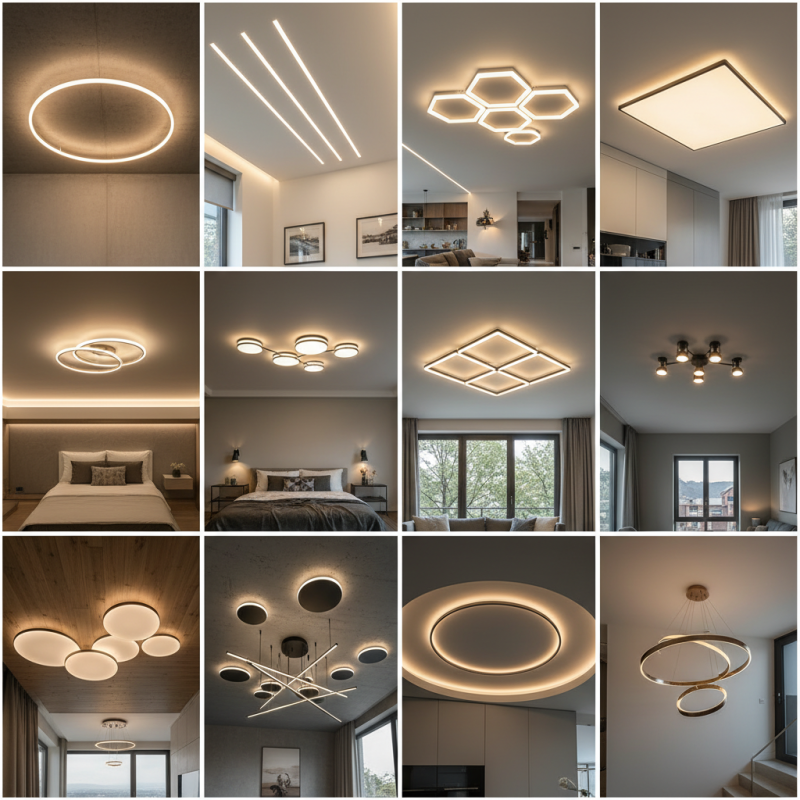
Top 10 LED Ceiling Light Design Ideas for Modern Homes
When designing modern homes, lighting plays a crucial role.
LED ceiling lights provide efficient illumination while enhancing aesthetics.
Consider varying styles, like minimalist fixtures that maintain clean lines. These designs can seamlessly integrate into any room without overwhelming other decor.
Another option is using pendant LED lights.
They can act as striking focal points in kitchens or dining areas. Choose geometric shapes for a contemporary feel.
However, it's essential to balance these bold choices with other elements.
Lighting should complement your space, not dominate it.
Incorporating adjustable LED lights offers versatility. Such designs allow homeowners to change ambiance easily.
Dimming capabilities can create cozy environments for gatherings.
Yet, one should be cautious with placement. Too much brightness in a small space may feel harsh.
Strive for a harmonious blend of light and dark for a balanced atmosphere.
Understanding LED Technology and Its Benefits in Ceiling Lighting
LED technology has transformed ceiling lighting, offering numerous advantages. One significant benefit is energy efficiency. LED lights consume less energy compared to traditional incandescent bulbs. This leads to lower electricity bills. Long-lasting durability is another critical aspect. An LED light can last up to 25,000 hours. Fewer replacements are needed, which saves time and resources.
Additionally, LED lights produce less heat, making them safer for modern homes. This means reduced risk of overheating and fire hazards. They are also environmentally friendly. LED lights contain no toxic materials and are recyclable. However, the initial cost may be higher compared to other lighting options, which can deter some homeowners. Balancing quality and price is a challenge worth considering.
Another point worth reflecting on is color temperature. LED lights come in various hues, affecting a room’s ambiance. Homeowners may struggle to choose the right shade for their spaces. A warm white light can create a cozy atmosphere, while a cooler tone may enhance productivity. Investing time to explore these options can make a significant impact on your home’s overall design.
Exploring Minimalist Design Trends in Contemporary Ceiling Fixtures
Minimalism in design emphasizes simplicity and functionality, particularly in lighting. When choosing LED ceiling fixtures, look for clean lines and understated elegance. A flat, disc-shaped light can blend seamlessly into any room. It provides broad illumination while maintaining a sleek profile. Soft white light creates an inviting atmosphere, enhancing the overall mood of the space.
Textures can add depth to minimalist design. Consider a fixture with a matte finish or a diffused glass cover. Unique shapes also elevate the aesthetic. A geometric design can serve as a focal point while still adhering to minimalist principles. However, the balance between statement and subtlety is crucial. Overly complex designs may disrupt the serene environment a minimalist space aims to create.
Choosing materials wisely also matters. Metal and glass are popular, but wood elements can introduce warmth. Reflect on how each component interacts with your space. Even small fixtures can have a significant impact on your room's overall feel. It’s essential to avoid overcrowding your ceiling. The goal is to highlight simplicity, allowing each piece to shine individually.
Color Temperature and Its Impact on Home Ambiance with LED Lights
Color temperature plays a vital role in determining the ambiance of a home. Measured in Kelvin (K), it influences how a space feels.
Warm white light (2700K-3000K) creates a cozy atmosphere, often preferred in living rooms and bedrooms. On the other hand,
cool white light (4000K-4500K) promotes alertness, making it ideal for kitchen and work areas.
Research indicates that about 62% of people prefer warmer tones for relaxation. In contrast, cooler tones are favored for task-oriented spaces.
This choice significantly impacts mood and productivity. Balancing color temperature across rooms can enhance the overall living experience.
A comfortable setting fosters relaxation, while appropriate lighting can increase focus during work hours.
Tips: Consider using dimmable LEDs for flexibility. You can adjust the brightness to match your mood or activity.
Experiment with different color temperatures to see what works best for each space. Don’t hesitate to change fixtures if they don’t feel right.
Sometimes, what initially seems perfect may not suit your daily activities. Lighting is an evolving aspect of home design that deserves careful consideration.
Eco-Friendly Lighting: Energy Efficiency of LED Ceiling Lights Explained
LED ceiling lights represent a significant leap in energy efficiency. Traditional incandescent lights consume about 60 watts to produce the same brightness as a 12-watt LED bulb. According to the U.S. Department of Energy, switching to LED lighting can save over 75% in energy costs. This notable reduction bolsters household sustainability efforts while lowering electricity bills.
Moreover, LED lights are designed for longevity. They can last up to 25,000 hours compared to just 1,000 hours for incandescent bulbs. This durability means fewer replacements and reduced waste in landfills. However, cost is a concern. Initial purchase prices for LEDs can be higher. Still, the long-term savings outweigh the upfront investment, making it a wise choice for modern homes.
Incorporating LED ceiling lights enhances not only energy efficiency but also aesthetic appeal. With a myriad of designs, they fit seamlessly into any décor. Yet, some consumers express uncertainty about color temperature and brightness levels. Understanding these aspects is crucial for achieving the desired atmosphere. Balancing efficiency with personal preferences is essential in creating a well-lit space that feels inviting.
Energy Efficiency of LED Ceiling Lights Compared to Traditional Lighting
Integrating Smart Lighting Solutions with Modern LED Ceiling Designs
Smart lighting solutions are revolutionizing modern homes, integrating seamlessly with LED ceiling designs. According to a report by the International Energy Agency, smart lighting can reduce energy consumption by up to 40%. This is significant for homeowners seeking both aesthetic appeal and energy efficiency. These systems often allow homeowners to control lighting remotely, creating tailored lighting for different activities and moods.
Designs today showcase sleek lines and minimalism. Many options feature adjustable shades or smart dimming. This versatility means a single fixture can adapt to various occasions. However, the complexity of these systems can be overwhelming, leading to underutilization. A well-planned setup is crucial for maximizing benefits. User-friendly interfaces and compatibility with smart home systems are vital considerations.
Integration of motion sensors and AI technology introduces new possibilities. As homeowners become more tech-savvy, they expect intelligent features in lighting solutions. While this trend is promising, it is essential to maintain balance. Overcomplicating designs can detract from the elegant simplicity sought in modern aesthetics. Achieving harmony between technology and design requires thoughtful consideration and adjustments.
Top 10 LED Ceiling Light Design Ideas for Modern Homes
| Design Idea |
Key Features |
Smart Lighting Integration |
Ideal Room |
| Minimalist Panel Lights |
Sleek, low-profile design |
Dimmable with app control |
Living Room |
| Industrial Pendant Lights |
Metal finishes with vintage appeal |
Voice-activated control |
Dining Area |
| Smart Recessed Lighting |
Flush with the ceiling, saves space |
Automated schedules and color adjustments |
Home Office |
| Color-Changing LED Panels |
Adjustable colors for mood setting |
Customizable with smartphone apps |
Children's Room |
| Crystal Chandelier with LEDs |
Elegant design with shimmering crystals |
Remote dimming and color change |
Entryway |
| Geometric LED Fixtures |
Unique shapes that add character |
Syncs with smart home systems |
Modern Living Spaces |
| Flush Mount LED Lights |
Compact and unobtrusive design |
Smart lighting controls |
Hallways |
| Smart LED Light Strips |
Flexible and customizable length |
Can be controlled via voice |
Accent Lighting |
| Sculptural LED Lights |
Artistic designs for focal points |
Integration with smart home apps |
Living Rooms or Bedrooms |
FAQS
: LED ceiling lights are energy-efficient and can lower electricity bills. They last longer than traditional bulbs, reducing replacements.
Use minimalist fixtures that blend seamlessly into your decor. Pendant lights can create striking focal points in kitchens or dining areas.
Yes, adjustable LED lights allow you to change brightness easily. Dimming can create a cozy environment for gatherings.
Avoid too much brightness in small areas. A harmonious mix of light and dark creates a balanced atmosphere.
LED lights produce less heat, reducing risks of overheating and fire hazards. They are generally safer than traditional lighting options.
Consider the room's purpose. Warm white is cozy; cooler tones boost productivity. Choosing wisely can enhance your overall design.
Initial costs can be higher than other options. Balancing quality with price requires careful consideration and reflection.
Yes, LED lights are recyclable and contain no toxic materials. They offer an eco-friendly lighting solution.
LED lights can last up to 25,000 hours. This longevity means fewer replacements and less waste over time.
Absolutely, taking time to explore options can significantly impact your home's design and lighting effectiveness.
Conclusion
The article "Top 10 LED Ceiling Light Design Ideas for Modern Homes" delves into contemporary trends in ceiling lighting, highlighting the versatility and efficiency of LED technology. It begins by exploring the numerous benefits of using LED ceiling lights, including their long lifespan and energy-saving capabilities. A focus on minimalist design trends illustrates how sleek and unobtrusive fixtures can enhance modern interiors, while discussions around color temperature reveal how different lighting can influence the ambiance of a home.
Additionally, the article addresses the increasingly popular integration of smart lighting solutions with LED ceiling light design, showcasing how technology can elevate both functionality and aesthetics in modern spaces. By emphasizing eco-friendly options and the overall impact of LED ceiling lights on home decor, the article provides valuable insights for anyone looking to illuminate their living spaces with style and efficiency.

 Cool Light