Low Power LED Lights are gaining popularity due to their energy efficiency. Industry expert John Smith states, "Switching to low power LED lights can reduce your energy costs significantly." This statement highlights the potential savings for consumers.
In today's world, energy consumption is a growing concern. Choosing low power LED lights can lead to a noticeable decrease in electricity bills. Additionally, they last much longer than traditional bulbs, offering users more value.
However, not all low power LED lights are created equal. Some brands may promise high efficiency but fail to deliver. It's important to research options carefully to find the most reliable products. Consumers should consider brightness, color temperature, and longevity when making a choice. This approach ensures you select the best low power LED lights for your needs.
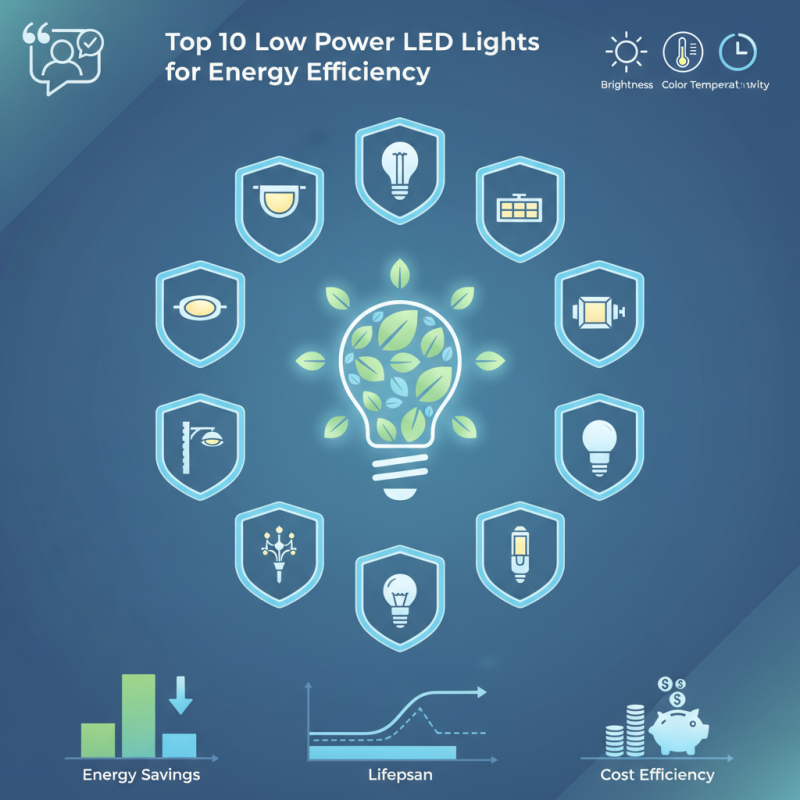
Energy efficiency in LED lighting has become a crucial topic. LED lights consume less power compared to traditional bulbs. This means lower electricity bills for households and businesses. Each watt saved contributes to a more sustainable environment. The transition from incandescent to LED is significant. However, many still have doubts about the real impact of LEDs.
Understanding energy efficiency goes beyond just power consumption metrics. It also encompasses the lifespan and performance of lights. LEDs last longer, often outlasting traditional options by several years. This longevity reduces waste. Yet, there are mediocre LED options that don't perform well long-term. The market can be confusing. Consumers often lack information on quality and efficiency.
Choosing the right LED light should consider various factors. Brightness, color temperature, and energy savings matter. Inefficient choices can lead to disappointment. Not all LEDs are created equal. Some might look good on paper but perform poorly in use. Evaluating energy efficiency requires careful research and understanding.
When selecting low power LED lights, energy efficiency is key. Look for bulbs that offer high lumens per watt. Research shows that high-quality LEDs can produce over 100 lumens per watt, drastically reducing electricity consumption. However, not all products meet this standard, so meticulous evaluation is necessary.
Color temperature and CRI (Color Rendering Index) are also critical factors. Ideal color temperatures range from 2700K to 5000K for home and office spaces. A CRI above 80 ensures vibrant, true-to-life colors. This aspect is often overlooked, leading to disappointing lighting experiences in some selections. It’s essential to seek balanced options that promote well-being and productivity.
Additionally, lifespan and warranty matter. Many LEDs boast lifespans of 15,000 to 25,000 hours, yet real-world performance varies. Some may fail earlier than expected. Checking warranty details helps gauge manufacturer confidence. Users must consider potential shortfalls and seek reliable data to make informed choices.
Choosing the right low power LED lights for home use can be an essential step toward energy efficiency. These lights consume less energy and last longer than traditional bulbs. Many homeowners appreciate the wide range of styles available. You can find options that fit with any decor, from modern to classic.
When selecting LED lights, consider your specific needs. Ambient lighting differs from task lighting. For instance, bright lights in a kitchen are crucial for cooking, while softer light works better in a bedroom. Some people struggle with choosing color temperatures. Warmer tones create a cozy atmosphere, while cooler tones are more energizing. Take time to test different shades.
Also, not all LED lights are created equal. Some might flicker, which can be distracting. Others can be too bright or dim for certain spaces. It’s essential to assess the lumen output. Ensure the bulbs you select provide adequate illumination for your rooms. Remember to consider dimmable options to create versatility in mood lighting. Small details matter greatly when aiming for energy efficiency and comfort in your home.
When considering low power LED lights, efficiency is crucial. Many brands claim to offer superior energy savings, but real-world performance varies. A comparative analysis shows differences in lumens per watt, longevity, and color temperature. Some lights shine brightly but consume more energy than expected. Others may save energy but lack adequate brightness.
Consumer feedback highlights varying experiences. One product may excel in homes and another in commercial spaces. Not every light works for every room. Color rendering also plays a role in how spaces feel. A cooler tone might appear modern, while warmer tones create comfort. Users often overlook this aspect until after installation.
Critics point out that not all low power LEDs are created equal. Some brands present attractive prices but fall short on lifespan. Customers express frustration when lights fail prematurely. These factors underscore the importance of research. Assessing real user experiences and conducting trials could yield better results. The right choice ultimately depends on individual needs and situations.
When it comes to maximizing energy savings with LED lighting, understanding your options is crucial. LED lights consume around 75% less energy compared to traditional incandescent bulbs. This staggering figure means households can save significantly on utility bills. In fact, the U.S. Department of Energy reports that widespread use of LEDs could help the nation save more than $30 billion in energy costs by 2027.
To further enhance savings, consider the placement of your lights. Positioning LEDs in well-used areas, such as kitchens and living rooms, boosts efficiency. Additionally, utilizing dimmers can reduce power consumption and enhance ambiance. Yet, many overlook the importance of color temperature. Warmer tones can create a cozy environment while maintaining low energy use.
It's also essential to maintain your LED fixtures. Dust and grime can hinder performance, leading to increased energy use over time. Regular cleaning can help preserve their efficiency. Despite these benefits, some people still hesitate to switch from old lighting. This fear of change can be a barrier to achieving optimal energy savings. Embracing these tips could lead to both financial and environmental benefits.
| Rank | Type | Wattage | Lumen Output | Energy Efficiency (lm/W) | Lifespan (hours) | Color Temperature (K) |
|---|---|---|---|---|---|---|
| 1 | A19 | 8W | 800 lm | 100 lm/W | 15000 | 2700 |
| 2 | BR30 | 12W | 900 lm | 75 lm/W | 25000 | 3000 |
| 3 | PAR38 | 15W | 1400 lm | 93.33 lm/W | 30000 | 4000 |
| 4 | T8 Tube | 18W | 2100 lm | 116.67 lm/W | 50000 | 5000 |
| 5 | Candelabra | 6W | 450 lm | 75 lm/W | 15000 | 2800 |
| 6 | Flood Light | 20W | 2000 lm | 100 lm/W | 30000 | 4000 |
| 7 | Downlight | 10W | 800 lm | 80 lm/W | 25000 | 3000 |
| 8 | Wall Pack | 30W | 3000 lm | 100 lm/W | 50000 | 5000 |
| 9 | String Lights | 4W | 300 lm | 75 lm/W | 10000 | 2700 |
| 10 | High Bay | 100W | 12000 lm | 120 lm/W | 50000 | 5000 |
: Think about your specific needs, including ambient and task lighting requirements for each room.
Warmer tones create a cozy atmosphere, while cooler tones bring energy. Test different shades to find what fits best.
Adequate lumen output ensures proper illumination for your spaces. Too dim or overly bright lights can be uncomfortable.
Dimmable lights offer flexibility to adjust mood and ambiance, enhancing comfort in different situations.
Position LEDs in high-traffic areas and consider using dimmers to cut power consumption effectively.
Dust accumulation can reduce efficiency, leading to higher energy use. Regular cleaning preserves optimal performance.
No, some may flicker or not provide sufficient brightness. Research user experiences to make an informed choice.
Using LEDs can save households around 75% on energy compared to incandescent bulbs, leading to significant savings.
Fear of change can be a significant barrier, despite the benefits that LEDs offer in energy efficiency and cost savings.
Yes, performance varies in lumens per watt, longevity, and brightness. Not all options will work for every room or need.
This article explores the importance of energy efficiency in LED lighting, focusing specifically on Low Power LED Lights. It begins by explaining the core principles of energy efficiency and the benefits of using LED technology in residential settings. The criteria for selecting the best low power options are outlined, ensuring that readers understand how to choose lights that conserve energy while providing adequate illumination.
Furthermore, the article presents a curated list of the top 10 Low Power LED Lights suitable for home use, offering practical insights into performance and usability. A comparative analysis of different brands is also included, helping consumers make informed decisions. To conclude, the article shares tips on maximizing energy savings with LED lighting, empowering readers to enhance their home lighting while reducing energy consumption effectively.

Cool Light