Maintaining commercial lighting is vital for any business. Proper upkeep maximizes efficiency and enhances the overall atmosphere. According to John Smith, a commercial lighting expert, "Regular maintenance is essential for optimal lighting performance." His insights remind us that neglect can lead to higher energy costs and safety issues.
Understanding how to maintain commercial lighting involves more than just bulb replacements. Regular inspections can reveal potential problems. It helps to create a schedule for cleaning fixtures and checking wiring. Even small dust buildup can diminish brightness.
Common mistakes include overlooking outdated technology. Businesses often delay upgrades, missing out on energy-efficient LED options. Regular assessments ensure that lighting aligns with current business needs. Reflection on these issues can guide businesses toward more effective lighting strategies.
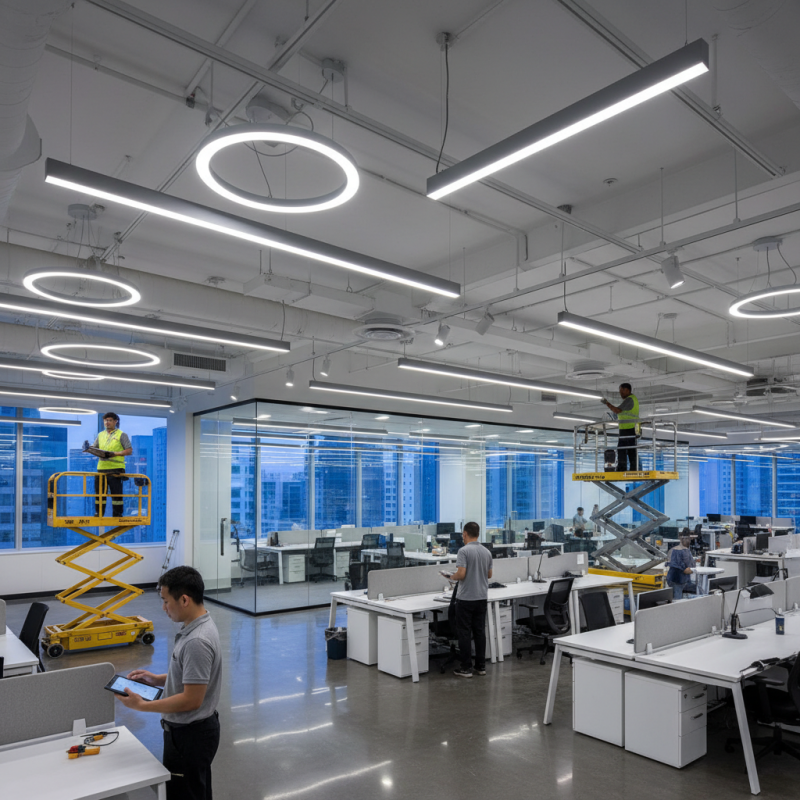
Commercial lighting is essential for creating a welcoming atmosphere. It sets the mood and affects productivity. However, many businesses overlook maintenance. This can lead to dim lighting or flickering bulbs, which disrupts both employees and customers.
Regular maintenance is crucial. It ensures that lights shine brightly and efficiently. Dirty fixtures can reduce brightness. Dust and grime accumulate over time. A simple cleaning can make a big difference. Ignoring these details may cost more in the long run. Replacing fixtures can be expensive and inconvenient.
Taking a proactive approach to lighting maintenance is key. Schedule routine checks every few months. Look for burnt-out bulbs and replace them promptly. Evaluate the entire lighting system. Sometimes, simple adjustments can improve overall output. Reflection on past oversights helps in planning better for the future.
| Tip | Description | Frequency | Benefits |
|---|---|---|---|
| Regular Inspections | Schedule routine checks to identify potential issues early. | Monthly | Prevents costly repairs and ensures safety. |
| Clean Fixtures | Dust and clean light fixtures to maintain brightness and efficiency. | Quarterly | Improves lighting quality and energy efficiency. |
| Replace Bulbs Promptly | Change burnt-out bulbs immediately to maintain consistent lighting levels. | As needed | Ensures a safe and inviting environment. |
| Upgrade to LED | Consider switching to LED lighting for long-term savings. | Once a year | Reduces energy costs and maintenance frequency. |
| Use Smart Controls | Implement motion sensors and timers to optimize use. | Ongoing | Enhances energy savings and convenience. |
Commercial lighting systems are vital to creating a safe and productive environment. However, they often face common issues that can disrupt their effectiveness. One research report indicates that faulty lighting accounts for about 20% of maintenance costs in commercial facilities. Flickering lights and inconsistent brightness can lead to poor visibility. This not only affects employee comfort but also impacts productivity.
Another issue is outdated fixtures. Many businesses still rely on older technologies that consume more energy and require more frequent replacements. A study by the U.S. Department of Energy shows that upgraded LED lighting can reduce energy costs by up to 75%. Yet, many are hesitant to make the switch due to perceived upfront costs. This reluctance can result in ongoing expenses from higher energy bills and maintenance fees.
Additionally, improper lighting control systems can create challenges. Facilities often overlook routine checks and updates, leaving sensors and timers non-functional. Research shows that nearly 30% of collectively wasted energy in commercial spaces is attributed to inadequate controls. Addressing these common issues can lead to improved lighting performance and lower operational costs.
Establishing a regular maintenance schedule for commercial lighting is essential. Research shows that effective maintenance can increase a lighting system's lifespan by up to 30%. Yet, many facilities overlook this aspect. Regular checks can help in identifying issues early on, preventing costly replacements.
Tips for an effective maintenance routine include conducting inspections every quarter. During these check-ups, replace burnt-out bulbs promptly. Dirty fixtures can reduce light output by 20-30%. Cleaning should occur at least twice a year to maintain optimal performance. Additionally, ensure all emergency lighting systems are functioning correctly; failure to do so can put safety at risk.
Investing in a lighting management system may seem unnecessary, but it can track performance and alert when maintenance is due. Proactive management can save up to 25% on energy costs. However, many companies hesitate to adopt these technologies, missing out on potential savings and efficiency gains. Think about the long-term benefits. Regular maintenance can be a game changer.
Effective lighting maintenance is crucial for any commercial space. Energy-efficient solutions can lead to significant savings. Regularly check bulbs and fixtures for any signs of wear. Replace old bulbs with LED alternatives. They consume less energy and last longer. This simple switch reduces maintenance costs and energy use.
Develop a routine for cleaning fixtures. Dust and dirt can diminish light output. Schedule cleanings every few months. It’s easy to overlook this, but clean lights can make a noticeable difference. Monitor lighting levels frequently. Areas that are too bright or dim can affect productivity. Employees need consistent lighting for comfort.
Consider investing in smart lighting systems. These can automatically adjust based on occupancy or natural light availability. This not only saves energy but also enhances the work environment. Evaluate your current lighting strategy regularly. Reflect on what works and what doesn’t. Planning and adjustments can lead to better efficiency. Small changes in maintenance routines can yield big benefits over time.
Training staff on proper lighting care is crucial for businesses. According to a report from the U.S. Department of Energy, commercial lighting accounts for about 25% of total electricity use in buildings. This highlights the need for staff to understand lighting systems' maintenance requirements and energy-saving practices.
Regular training sessions can cover basic troubleshooting techniques. For example, staff should learn how to replace bulbs and check circuits. Understanding the basics allows for faster problem-solving. A survey showed that about 30% of lighting issues stem from improper handling. Employees often feel unconfident in dealing with such challenges. Simple training can help boost their competence and morale.
Incorporating practical exercises can be beneficial. Staff should engage in hands-on activities, like monitoring light levels and identifying flickering lights. This brings real-world challenges to the forefront. It’s essential to create an environment where employees can voice their concerns and experiences with lighting systems. Addressing common mistakes can lead to overall improvements in efficiency and safety.
: The article explains various topics related to common interests and curiosities.
You can use the information to enhance your understanding and make informed decisions.
Yes, there are various anecdotes that illustrate key points. They add depth to the topic.
Reflecting on your thoughts is important. Consider exploring alternate perspectives for growth.
Some topics may resonate more with specific groups. It's good to evaluate personal relevance.
Feel free to revisit those sections. Asking others can also provide clarity and different insights.
Engaging with others in conversation can foster interesting discussions. Write down your reflections.
There may be certain viewpoints emphasized. It's valuable to think critically and question those biases.
Periodic review can reinforce learning. It could be helpful to reflect on changes in personal understanding.
Maintaining commercial lighting effectively is crucial for ensuring optimal performance and energy efficiency. First, understanding the importance of commercial lighting maintenance helps in addressing common issues such as flickering lights, uneven illumination, and energy wastage. Regular checks and prompt repairs can prevent these problems from disrupting business operations.
To maintain commercial lighting, it is essential to establish a maintenance schedule that includes routine inspections and bulb replacements. Implementing energy-efficient lighting solutions not only reduces costs but also enhances sustainability. Additionally, training staff on proper lighting care and troubleshooting techniques empowers them to address minor issues proactively, contributing to a well-maintained lighting system overall. By focusing on these aspects, businesses can ensure their lighting remains functional and efficient.

Cool Light