Recessed lighting design has become a staple in modern homes. According to a report by the American Lighting Association, 40% of homeowners are choosing recessed lighting for ambience and practicality. This design allows for sleek, unobtrusive fixtures that blend seamlessly into ceilings. It provides both functionality and aesthetics, enhancing the overall decor.
Professional designers often emphasize the role of proper placement and sizing in achieving optimal results. Recessed lights can create focal points or wash an entire room in light. However, improper installation can lead to an ineffective design. A poor choice of bulb brightness or color temperature can detract from the intended ambiance. Homeowners should reflect on these aspects to avoid common pitfalls.
Innovation is key in recessed lighting design. The introduction of smart technology allows for customizable settings. Yet, reliance on technology without understanding basic design principles can result in oversaturation or mood mismatches. Striking a balance between technology and traditional design is crucial for achieving a harmonious look in modern homes.
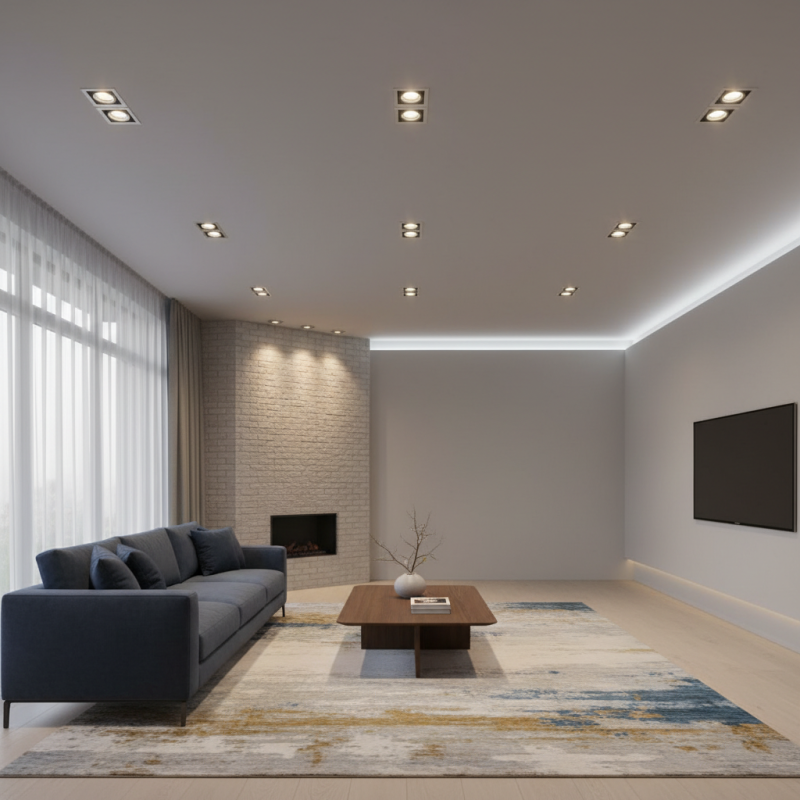
Choosing the right type of recessed lighting can significantly influence the atmosphere of your home. For modern spaces, consider adjustable fixtures. They provide versatility and control. Adjustable lights can direct focus on artwork or specific areas, creating a dynamic ambiance.
Tip: Use dimmers with your recessed lights. Dimming options allow you to alter brightness based on your activities. Whether hosting dinner parties or watching movies, adjustable lighting sets the mood just right.
Another aspect to consider is the color temperature of the bulbs. Warmer tones create a cozy feel, while cooler tones enhance a more modern vibe. Think about the room's purpose. A warm glow can invite relaxation in a bedroom. In contrast, a cooler light might best suit a clean, modern kitchen.
Tip: Experiment with different bulb types. Assess how they impact the room's atmosphere throughout the day. Sometimes, what seemed like a great choice may feel off when the sun sets. This process of trial and reflection is crucial to get it right.
Recessed lighting can transform any room in a modern home. It serves both functional and aesthetic purposes. One popular style is the artistic layout. This design allows homeowners to create intricate patterns across the ceiling. You might find circles, squares, or even linear arrangements. These shapes add depth and visual interest to the space.
Another approach focuses on the minimalist design. A simple, clean line of recessed fixtures can provide an unobtrusive light source. This option works well in contemporary settings. It enhances the room without overpowering the décor. However, consider the placement carefully. Poor positioning can lead to harsh shadows.
Finally, adjustable recessed lights offer flexibility. These lights can pivot or tilt to highlight artwork or architectural features. They help in creating dramatic effects when done right. Yet, don’t forget, over-lighting a space can feel sterile. Finding balance is key in design. Each style offers unique opportunities, but also challenges that require thoughtful consideration.
| Lighting Style | Description | Ideal Spaces | Color Temperature |
|---|---|---|---|
| Standard Recessed | Provides general ambient lighting with a clean look. | Living rooms, Kitchens, Hallways | 2700K - 3000K |
| Directional Recessed | Adjustable fixtures allowing focused lighting on specific areas. | Artwork, Accent Walls, Reading Nooks | 3000K - 4000K |
| LED Recessed | Energy-efficient fixtures with a long lifespan and low heat emission. | Any room needing efficient lighting | 3000K - 5000K |
| Canned Lighting | Traditional recessed fixtures, ideal for ambient lighting. | Kitchens, Basements, Commercial Spaces | 2700K - 4000K |
| Smart Recessed | Connected lighting that can be controlled via apps and smart devices. | Living Rooms, Home Offices | 2700K - 5000K (Adjustable) |
Planning the layout for recessed lighting is crucial in modern homes. A well-executed design can transform a space. The key is to understand how light interacts with the room's features. According to the American Lighting Association, proper placement can reduce energy consumption by up to 30%. This highlights the importance of strategic planning.
When determining placement, consider the purpose of each room. Aim for 18-24 inches from walls for optimal illumination. In larger spaces, such as living rooms, a grid formation works well. However, this may require adjustments based on furniture layout. Utilizing a calculator for ceiling height and spacing can be beneficial. Lighting designers often recommend spacing fixtures 4 to 6 feet apart.
Reflecting on mistakes in recessed lighting placement is essential. Common issues include inadequate lighting in specific areas. Overlooking furniture height can lead to poor light distribution. It’s vital to reassess and adjust if necessary. Continuous evaluation ensures the design meets practical needs. The goal is a balance between function and aesthetic appeal.
When choosing recessed lighting, the type of bulbs you select can significantly impact both efficiency and ambiance. LED bulbs are now the go-to choice for many homeowners. They consume less energy and last longer than traditional incandescent options. Installing dimmable LED lights offers versatility for adjusting brightness levels. This flexibility can enhance mood and functionality in various spaces.
Consider color temperature when selecting bulbs. Warmer tones, around 2700K to 3000K, create a cozy feel in living rooms. Cooler tones, around 4000K to 5000K, are ideal for workspaces or kitchens. Balancing color temperature throughout your home can create a harmonious design. Placement matters too; improperly spaced lights can lead to harsh shadows.
It's essential to reflect on the layout and purpose of each room. Over-illumination can wash out a space, diminishing its charm. Sometimes, a mix of different bulb types can yield a more dynamic effect but may require more thoughtful planning. Don't settle for the first option; experimenting can lead to a more tailored lighting design.
Recessed lighting can transform a modern home, offering sleek and stylish illumination. Proper installation techniques are essential for maximizing its potential. According to the National Electrical Contractors Association (NECA), 70% of homeowners prefer recessed lighting for its clean look and versatility. To ensure optimal installation, start by measuring ceiling height and determining the spacing between fixtures. Generally, fixtures should be placed 4 to 6 feet apart for an even spread of light.
Installation requires consideration of the type of trim and bulb used. Choose energy-efficient LED options to reduce long-term costs. A common mistake is miscalculating wattage requirements. Lighting designers suggest using a ratio of 1.5 watts per square foot. Additionally, consider dimmer switches for flexibility. This feature enables mood adjustments, enhancing the overall ambiance.
Wiring and placement must comply with local building codes. It’s easy to overlook these details, but safety is paramount. Misalignment can create shadows or uneven lighting. Research shows that poorly installed recessed lighting can lead to a 30% loss in effectiveness, resulting in frustration and wasted energy. With thoughtful planning and execution, recessed lighting can elevate any modern interior space.
: Adjustable fixtures provide versatility. They can focus light on artwork or specific areas, enhancing ambiance.
Dimmers allow you to change brightness. This feature tailors the atmosphere for different activities, like hosting or movie nights.
Warmer tones create a cozy feel, while cooler tones offer a modern vibe. Choose based on the room's purpose.
Experiment with various bulbs. Observe how each affects the room's atmosphere, especially as natural light changes.
Popular styles include artistic layouts and minimalist designs. Each brings unique visual interest but also requires careful planning.
Fixtures should be placed 4 to 6 feet apart. This spacing ensures an even, inviting spread of light.
Common mistakes include miscalculating wattage and ignoring local building codes. These errors can reduce effectiveness significantly.
Proper placement helps to avoid harsh shadows. Misalignment can create uneven lighting, impacting the room's overall feel.
Dimmers adjust light levels easily. This flexibility enhances mood, allowing tailored experiences for various situations.
Over-lighting can make a space feel sterile. Finding the right balance is crucial for creating inviting home environments.
The "Ultimate Guide to Recessed Lighting Design for Modern Homes" offers a comprehensive look at how to effectively incorporate recessed lighting into contemporary spaces. It begins by emphasizing the importance of choosing the right type of recessed lighting based on the specific needs of a room, while also exploring various styles and designs that enhance the aesthetic appeal.
Key considerations for planning the layout involve understanding the optimal placement to achieve both functionality and ambiance. Furthermore, the guide highlights the significance of selecting appropriate bulbs to ensure energy efficiency and a welcoming atmosphere. To round out the advice, common installation techniques and helpful tips are provided to assist homeowners in executing their recessed lighting design successfully, creating a modern and inviting home environment.

Cool Light