Modern LED lighting design is reshaping our environments. According to Dr. Alice Winters, a leader in the field, "Effective lighting enhances mood and productivity." With the increasing use of LED technology, we have new opportunities to transform spaces.
This approach prioritizes energy efficiency and sustainability. LED lights last longer and consume less power. However, many designers still struggle with balancing functionality and aesthetics. The challenge lies in creating spaces that feel inviting while being efficient.
Modern LED lighting design is not just about illumination; it's about creating experiences. Designers must consider color temperature and light distribution. These elements impact how we feel in a space. As we continue to explore LED benefits, it is important to reflect on how we can improve our designs.
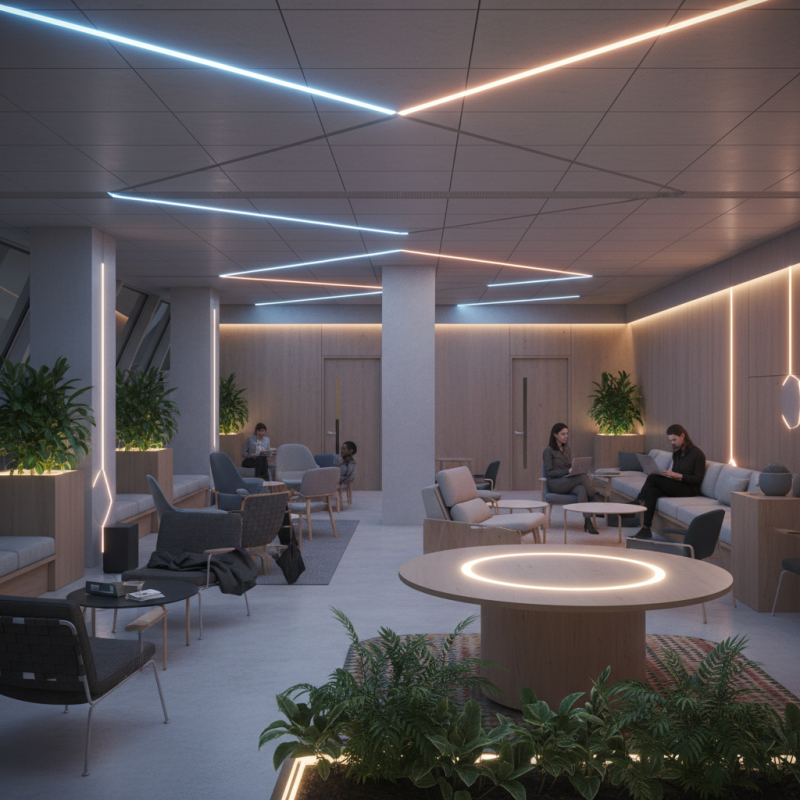
Modern LED lighting is a game changer for various environments. It combines energy efficiency with versatility. According to a report from the U.S. Department of Energy, LED technology can save up to 75% energy compared to traditional lighting. This efficiency can lead to significant cost savings for both consumers and businesses.
Understanding the key characteristics of LED lighting is essential. LEDs have a long lifespan, often exceeding 25,000 hours. This longevity reduces the need for frequent replacements. However, not all LED products are created equal. Variability in quality can affect performance and lifespan. Many users report issues with color rendering and heat management. This points to a need for better education and awareness in the market.
Incorporating LED technology also raises questions about design aesthetics. LED lights are available in various shapes and colors. This flexibility can enhance a space but may also lead to overuse or misapplication. Ultimately, the challenge lies in balancing functionality with design. The goal should be to utilize LED lighting in ways that respect both efficiency and visual appeal.
The rise of LED lighting has transformed our spaces. Today, advancements in technology enhance efficiency and performance. The shift from traditional bulbs to LEDs is significant. These lights consume less energy and last longer. It reduces our carbon footprint, benefiting the environment. However, achieving full potential still poses challenges.
Innovation plays a key role in this progress. New materials improve light output and color accuracy. The introduction of smart controls allows for personalized lighting experiences. Yet, not all advancements are flawless. Some LEDs still lack consistent brightness levels. Users may experience varying color temperatures, which could be distracting.
The integration of sensors and automation is exciting. It creates responsive environments that adapt to our needs. Nevertheless, understanding these technologies can be complex. Many users feel overwhelmed. Simplifying this knowledge is crucial. We need to ensure everyone can benefit from these modern designs.
This chart illustrates the advancements in luminous efficacy of LED lighting from 2010 to 2023. As technology improves, the efficacy has significantly increased, demonstrating the importance of modern LED lighting design in enhancing energy efficiency and performance.
Modern LED lighting design is transforming the way we think about illumination. The economic advantages of LED lighting are significant. According to the U.S. Department of Energy, LED lighting uses up to 75% less energy than traditional incandescent bulbs. This reduction in energy use leads to substantial cost savings over time.
In commercial settings, facilities can save up to $500 annually for every 100 lights installed. Moreover, LEDs have a lifespan of about 25,000 hours compared to just 1,000 hours for incandescent bulbs. This longevity means fewer replacements, which not only saves money but also reduces waste. However, the initial investment can be daunting for some businesses, leading to hesitation in making the switch.
It's crucial to recognize that while the upfront costs may be high, the long-term benefits outweigh these concerns. Public concern over rising electricity bills is valid. Investing in LED technology is not simply a trend; it's a smart business decision. Achieving energy efficiency and decreasing operating costs lead to a brighter financial future for businesses willing to embrace this change.
| Aspect | Details |
|---|---|
| Initial Cost | Higher than traditional bulbs, but decreasing with advancements |
| Energy Efficiency | Uses up to 75% less energy compared to incandescent lights |
| Lifespan | Lasts approximately 15,000 to 50,000 hours |
| Maintenance Cost | Significantly lower due to longer lifespan |
| Environmental Impact | Contains no harmful substances and is 100% recyclable |
| Heat Emission | Produces less heat, reducing cooling costs in buildings |
| Quality of Light | High Color Rendering Index (CRI) improves visibility and ambiance |
| Return on Investment (ROI) | Payback period is typically 1-3 years depending on usage |
Modern LED lighting design is reshaping spaces while prioritizing sustainability. Unlike traditional lighting, LEDs consume far less energy. According to the U.S. Department of Energy, LEDs use at least 75% less energy than incandescent bulbs and last 25 times longer. This significant reduction impacts both energy consumption and greenhouse gas emissions. Transitioning to LED lighting can lead to substantial energy cost savings for homes and businesses alike.
Tips: Consider replacing old lighting fixtures with LED options. This change can lower your electricity bill and reduce carbon footprints. Small adjustments can create a bigger environmental impact over time.
While the benefits are clear, not all LED products are created equal. Some cheaper options may not meet strict efficiency standards. It’s crucial to research and select high-quality LEDs. Ensure they are certified to provide the promised energy savings. This choice helps avoid wasted resources and maximizes return on investment.
Tips: Look for certifications like ENERGY STAR or DLC. These ensure the product meets high-performance standards. Such certifications can guide consumers towards making informed decisions.
Modern LED lighting design enhances both beauty and function in various spaces. When integrating LEDs, it’s essential to consider how light shapes environments. The right color temperature can create warmth or energy. For example, softer hues suit relaxation areas, while cooler tones work well in offices. Choosing the right brightness also prevents discomfort. Overly bright lights can cause glare, which is a frequent issue in commercial spaces.
Aesthetic aspects cannot be overlooked. LED fixtures come in diverse shapes and sizes. Their design can elevate a room’s overall look. Think about how pendant lights may become focal points in a dining area. Yet, sometimes, the simple integration of LEDs into existing designs doesn’t yield the desired outcome. Poor placement can lead to uneven lighting, creating harsh shadows. Reflection on these missteps can lead to more thoughtful designs in the future.
Functional considerations are equally vital. LEDs are energy-efficient; they save costs in the long run. However, their effectiveness can vary based on their application. Task lighting in kitchens must shine brightly, while ambient lighting should remain softer. Balancing these needs is a challenge that demands innovation. Thoughtful planning often reveals unexpected solutions and fresh perspectives on illumination.
: LED lighting can save up to 75% energy compared to traditional options. This leads to significant cost savings.
Most LEDs last over 25,000 hours. This reduces the frequency of replacements.
No, there is variability in LED quality. Some may have issues with color rendering and heat management.
LEDs come in many shapes and colors. This versatility enhances spaces but may be misapplied or overused.
Consider the initial investment versus long-term benefits. Upfront costs may be high, but savings can be substantial.
Switching to LEDs significantly reduces energy use and greenhouse gas emissions, benefiting both homes and businesses.
Research and select high-quality LEDs. Look for certifications like ENERGY STAR for assurance.
Initial costs can be a barrier for some businesses. They may need to weigh these against long-term savings.
Replacing old fixtures with LED options can lower bills and reduce carbon footprints. Every small change matters.
Cheaper LEDs may not meet efficiency standards. This can lead to wasted resources and poor investment returns.
Modern LED Lighting Design represents a significant evolution in lighting technology, characterized by enhanced efficiency, performance, and sustainability. Key advancements in LED technology have led to brighter, more cost-effective solutions, ultimately yielding considerable economic benefits through reduced energy consumption and lower maintenance costs.
Furthermore, the environmental impact of LED lighting is profound, promoting sustainability by minimizing energy use and reducing carbon footprints. In terms of aesthetics and functionality, Modern LED Lighting Design offers unparalleled flexibility, allowing for innovative integration in various settings, from residential to commercial spaces. Overall, this modern approach to lighting not only transforms environments but also supports a greener future.

Cool Light