What is Industrial Facility Lighting and its Benefits?

Time:2026-05-28 Author:Sophia
0%

Industrial Facility Lighting is an essential aspect of modern manufacturing and production environments. According to the U.S. Department of Energy, well-planned lighting can reduce energy costs by up to 40%. This significant figure highlights the importance of effective lighting strategies in industrial applications.

Renowned expert Dr. John Smith, an authority in industrial engineering, emphasizes, "Proper lighting not only enhances safety but also boosts productivity." His insights point to the critical role that lighting plays in the overall operational efficiency of facilities.

When discussing Industrial Facility Lighting, one must consider both economic and human factors. Optimal lighting can greatly improve employee morale and reduce accidents. However, many industries often overlook these aspects, leading to underwhelming results. Careful consideration and implementation of lighting solutions are crucial to realize full benefits. Exploring different technologies and designs can lead to significant improvements, yet many facilities still rely on outdated systems. The ongoing evolution of lighting technology offers new avenues for enhancing industrial environments.
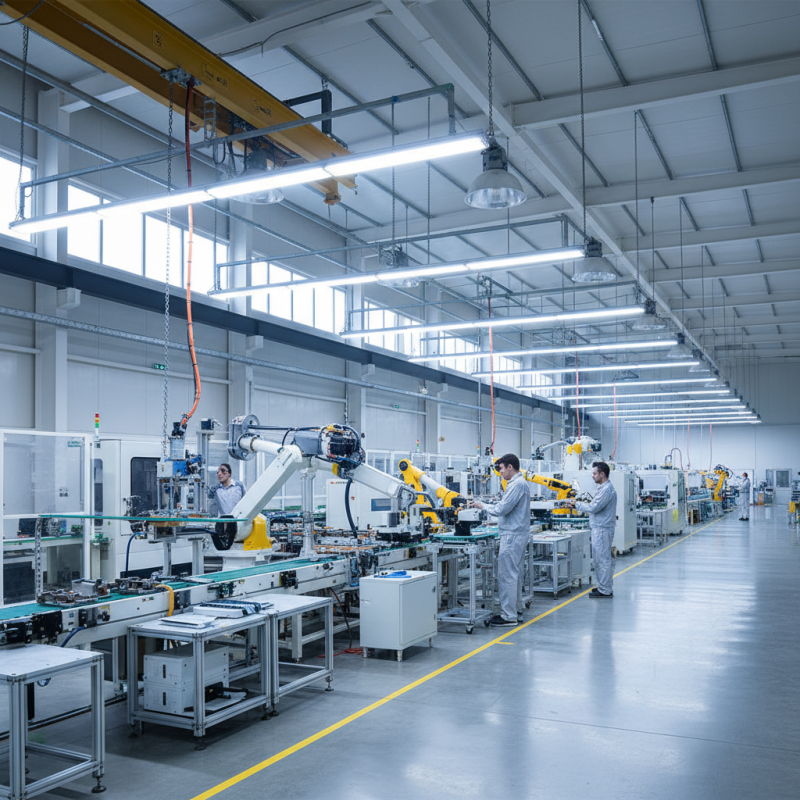
What is Industrial Facility Lighting and its Benefits?

What is Industrial Facility Lighting?

Industrial facility lighting is essential for ensuring safety and efficiency in various operations. This type of lighting serves warehouses, factories, and large production areas, providing visibility for both equipment and personnel. According to a report by the Illuminating Engineering Society (IES), effective industrial lighting can increase productivity by up to 30%. This statistic highlights the importance of having well-designed lighting systems.

The design of industrial lighting often involves high-intensity discharge (HID) lamps and LED solutions, known for their durability and energy efficiency. A study from the U.S. Department of Energy notes that LED lighting can consume up to 75% less energy than traditional lighting, leading to significant cost savings. However, there is a challenge: not all facilities prioritize optimal lighting strategies, which can result in poor visibility and increased safety hazards. Low-quality lighting can create shadows and glare, negatively impacting worker concentration and safety.

Furthermore, the integration of smart lighting systems is on the rise. Sensors and adaptive controls can adjust light levels based on occupancy. A report from the Global Lighting Association indicates that these systems can improve energy efficiency by 20% or more. Yet, the adoption of such technologies is inconsistent across industries, reflecting a gap that many facilities need to address for improved overall performance.

Types of Industrial Facility Lighting Solutions

Industrial facility lighting is critical for operational efficiency and worker safety. There are several types of lighting solutions tailored for these environments. One of the most common types is LED lighting. According to the U.S. Department of Energy, LED lights can reduce energy consumption by up to 75%. This is significant, especially for large manufacturing plants that operate long hours.

Another essential option is high-intensity discharge (HID) lighting. HID lights provide powerful illumination and are often used in warehouses. They can illuminate vast areas effectively. The Occupational Safety and Health Administration (OSHA) emphasizes that adequate lighting in industrial settings enhances visibility and reduces accidents.

Fluorescent lighting remains prevalent due to its low initial cost. However, it has limitations, such as shorter lifespans compared to LEDs. Moreover, older fluorescent fixtures may contribute to flickering, which can distract workers. Each type of lighting has its pros and cons, and facility managers must weigh them based on specific needs. Regular assessments of lighting effectiveness can lead to better workplace safety and increased productivity. It’s essential to acknowledge that not all solutions are perfect; constant evaluation and adjustment can help optimize lighting scenarios.

Key Benefits of Effective Industrial Lighting

Industrial facility lighting plays a crucial role in enhancing operational efficiency and worker safety. Proper lighting can significantly improve visibility in warehouses, factories, and production areas. This results in fewer accidents and errors in the workplace. Moreover, the right lighting setup can boost employee morale and productivity.

Improved focus and reduced eye strain can happen when lighting is well-designed. Bright, uniform lighting can help workers stay alert and engaged. It is essential to consider the type of work being done. Some areas may require brighter lights, while others benefit from softer, ambient lighting.

Tips: Adjust your lighting based on the tasks performed in each section of your facility. LED lights are a cost-effective option that also offers energy savings. Regular maintenance of lighting fixtures is vital to ensure consistent performance. Additionally, gather feedback from employees about lighting conditions. This insight can help identify areas needing improvement.

Best Practices for Implementing Lighting in Industrial Spaces

Lighting in industrial facilities plays a crucial role in enhancing safety and productivity. Implementing effective lighting requires a thoughtful approach. Start by assessing the specific needs of your space. Different areas may need varied lighting based on their functions. For instance, assembly lines often require brighter lights for accuracy, while storage areas can use dimmer lighting.

It's also essential to consider energy efficiency. LED lights consume less energy and last longer than traditional bulbs. This saves money over time and reduces environmental impact. Regular maintenance is vital. Dust and grime can diminish light output, making consistent cleaning necessary.

Another aspect to ponder is employee comfort. Harsh lighting can lead to fatigue and discomfort. Balancing brightness with a softer illumination helps maintain focus. Additionally, using sensors can adjust lighting based on occupancy, optimizing energy use. Reflecting on these practices can lead to more functional and efficient industrial spaces.

Safety Considerations in Industrial Facility Lighting Design

Effective lighting is crucial in industrial facilities. Safety should always be a main concern. Poor lighting can lead to accidents. Workers need to see clearly to navigate equipment and avoid hazards. Bright, well-lit areas can significantly reduce the chance of falls or collisions.

Consider the layout and fixture placement. Dark corners may create blind spots. Emergency exits should be illuminated and visible from all angles. Light sensors can also help in maintaining consistent brightness. Regular maintenance of lighting systems is necessary. Burned-out bulbs pose risks and should be replaced promptly.

Training employees on lighting safety is essential. They need to understand the importance of reporting issues. Sometimes, workers may overlook flickering lights or inadequate illumination. Encourage open communication about lighting conditions. An awareness of lighting’s role in safety can foster a more cautious work culture.

Industrial Facility Lighting Benefits

This chart illustrates the various benefits of industrial facility lighting based on their impact percentage. Increased safety and improved productivity are the most significant advantages highlighted, contributing to a more efficient and safe working environment.

FAQS

: What is industrial facility lighting?

: It is crucial for safety and efficiency in warehouses and factories.

How does good lighting affect productivity?

Effective lighting can boost productivity by up to 30%.

What types of lighting are commonly used?

High-intensity discharge lamps and LED solutions are popular choices.

What are the benefits of LED lighting?

LED lights use 75% less energy than traditional options and last longer.

Why is maintenance important for industrial lighting?

Dust reduces light output, so regular cleaning is essential to maintain effectiveness.

How does lighting impact employee comfort?

Harsh lighting can cause fatigue, while softer illumination helps maintain focus.

What safety risks are associated with poor lighting?

Low visibility can lead to accidents, such as falls or collisions.

What should be considered for lighting layout?

Dark corners and blind spots need addressing to improve safety and visibility.

How can smart lighting systems help?

They adjust light levels based on occupancy, enhancing energy efficiency.

Why is training on lighting safety important?

It encourages workers to report issues like flickering lights, improving overall safety.

Conclusion

Industrial Facility Lighting refers to the illumination systems specifically designed to meet the unique needs and challenges of industrial environments. These solutions can encompass various types of lighting, including LED, fluorescent, and high-intensity discharge lights, each offering distinct advantages in terms of energy efficiency, brightness, and longevity. Effective industrial lighting not only enhances visibility and productivity but also fosters safety and compliance with industry regulations.

The key benefits of implementing proper Industrial Facility Lighting are significant, as it can improve worker morale, reduce accidents, and streamline operations. Best practices for installation involve assessing the space's layout, considering the nature of the tasks performed, and ensuring adequate illumination levels. Additionally, safety considerations are paramount in lighting design, with an emphasis on minimizing glare and shadows, thus creating a secure working environment. Proper attention to these factors can lead to a more efficient and productive industrial facility.

Sophia

Sophia

Sophia is a dedicated marketing professional with an exceptional depth of knowledge about her company's products and services. With a keen understanding of market trends and customer needs, she crafts insightful blog posts that not only inform but also engage readers, enriching the company’s online......