In today's fast-paced world, creating the right ambiance in our homes and offices is crucial. Indoor lighting solutions play a significant role in enhancing our daily experiences. Proper lighting can improve mood, boost productivity, and even influence our health.
Choosing the right indoor lighting solutions requires careful consideration. Each room has unique needs, from workspaces that demand focus to living areas that invite relaxation. The interplay of brightness, color temperature, and fixture styles can deeply affect how we feel in a space. Yet, many people overlook these aspects, settling for standard solutions.
Reflecting on our lighting choices can lead to significant improvements. Are we using energy-efficient options? Do our fixtures truly serve their purpose? Embracing intentionality in our indoor lighting approach can transform both homes and offices into vibrant environments suited to our lifestyles.
Understanding Different Types of Indoor Lighting Fixtures
When considering indoor lighting fixtures, a variety of styles is available. Each type serves a specific purpose in creating the right atmosphere. Ceiling-mounted fixtures offer general illumination, while pendant lights bring a focal point to dining areas or kitchen islands. According to the American Lighting Association, over 40% of homeowners underestimate their lighting needs, often leading to poorly lit spaces.
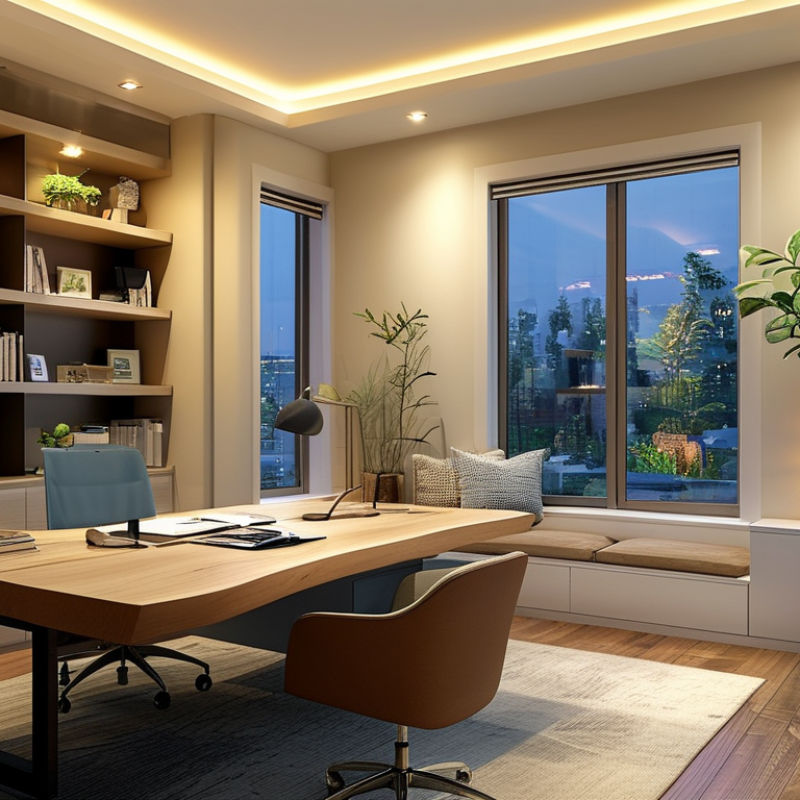
Wall sconces are perfect for accent lighting. They create depth and can be used to highlight artwork. For task-oriented areas, such as home offices, recessed lighting is favored. The National Lighting Bureau suggests that adequate task lighting can improve productivity by up to 20%. However, many homes still rely on outdated or insufficient lighting, which impacts efficiency.
Floor lamps provide flexibility, allowing users to change light intensity easily. Dimmers can enhance atmosphere but are often underutilized. Studies show that rooms with adjustable lighting levels promote well-being and comfort. Integrating varied light sources can transform a room's character, but it requires careful planning and consideration. Regularly reviewing your lighting choices is essential for optimal living and working environments.
Benefits of LED Lighting for Home and Office Environments
LED lighting has become increasingly popular in both home and office environments. A report by the U.S. Department of Energy states that LEDs use up to 75% less energy than traditional incandescent bulbs. This dramatic reduction in energy consumption leads to significant cost savings over time. Moreover, LEDs last about 25 times longer, which means fewer replacements and less waste.
In addition to energy efficiency, LED lighting offers exceptional versatility. They are available in various color temperatures, from warm white to cool daylight. This flexibility can improve mood and productivity in workspaces. For example, cooler light can enhance focus, while warmer tones create a relaxing home atmosphere.
**Tip:** When selecting LED lights for your space, consider using dimmable options. Dimming can create a comfortable ambiance and increase the lifespan of your bulbs.
While LED lights are beneficial, they do have downsides. Some users report a harshness in brightness, which may cause discomfort. It's important to choose the right fixtures and positioning to mitigate this effect.
**Tip:** Use soft diffusers or shades to soften harsh lighting and improve the overall experience in your rooms. Remember that personal preferences vary, and what works for one may not suit another.
Indoor Lighting Solutions for Your Home and Office Needs
This chart illustrates the benefits of LED lighting in terms of energy efficiency and lifespan compared to traditional lighting solutions in both home and office environments. The data reflects average values based on studies conducted in various settings.
How to Choose the Right Lighting for Specific Spaces
Choosing the right lighting for different spaces in your home or office can significantly affect mood and productivity. According to a report from the Lighting Research Center, well-lit environments can enhance focus and reduce eye strain. For example, using warmer light tones in living areas fosters relaxation, while cooler tones improve concentration in workspaces.
In kitchens, bright, focused lighting is essential. Installing under-cabinet lights can ensure that meal preparation areas are well-lit. Consider LED options for energy efficiency and longevity.
In bedrooms, softer, ambient lighting works best. A combination of floor lamps and dimmable fixtures allows for versatility, tailored to your activities, whether reading or winding down.
Tip: Assess natural light during the day. Rooms with ample sunlight may require less artificial lighting.
Tip: Don't forget about the impact of color temperature. Choose bulbs with a color temperature of 3000K to create a warm ambiance. Always reflect on how different spaces feel with various lighting. It's an ongoing process that may need adjustments as your needs change.
Design Tips for Creating Mood and Ambiance with Lighting
Proper lighting can transform any space, creating distinct moods and enhancing ambiance. According to the Illuminating Engineering Society, effective lighting can improve productivity by up to 20%. In offices, utilizing layered lighting—ambient, task, and accent—ensures practicality while increasing comfort. For living areas, warm light can create a cozy environment. Dimmer switches allow for versatility, catering to different times and moods.
Color temperature plays a crucial role in ambiance. Soft, warm whites (2700K - 3000K) encourage relaxation. In contrast, cooler whites (4000K - 5000K) stimulate alertness, making them ideal for workspaces. A 2022 study by the National Institute of Health revealed that natural daylight exposure enhances mood stability and reduces fatigue. However, not all indoor spaces benefit from intense lighting, leading to fatigue or overstimulation. Balance is key.
Incorporating lighting fixtures with adjustable brightness can further refine the mood. Consider using floor lamps with multiple settings or smart bulbs that can change color temperatures. Such versatility permits these spaces to shift from energized work zones to calming retreats with ease. The right lighting accentuates decor and reveals textures, drawing attention to important elements without overwhelming the senses.
Energy Efficiency and Cost Considerations for Indoor Lighting Solutions
Energy efficiency is a key factor in indoor lighting solutions. Research from the U.S. Department of Energy indicates that lighting accounts for approximately 15% of a typical home’s electricity use. By switching to LED lights, households can reduce their energy consumption by up to 75%. This significantly lowers electricity bills. However, many still use outdated incandescent bulbs, missing out on potential savings.
Cost considerations go beyond the initial purchase. While LEDs may have a higher upfront cost, their longevity offers greater value. On average, an LED bulb lasts 25,000 hours, compared to just 1,000 hours for incandescent options. Over time, this longevity leads to fewer replacements and reduced waste. Businesses also have to consider the impact on operational costs, and energy-efficient lighting can enhance productivity by improving the quality of light in workspaces.
While the switch to energy-efficient options is beneficial, it can be challenging. Some users report dissatisfaction with LED color temperatures or dimming capabilities. Convincing stakeholders to invest in these upgrades often requires clear evidence of long-term savings. Keeping all this in mind can help inform smarter decisions for your home and office lighting needs.
Indoor Lighting Solutions for Your Home and Office Needs
| Lighting Solution |
Energy Efficiency (Lumens/Watt) |
Average Lifespan (Hours) |
Initial Cost ($) |
Annual Energy Cost ($) |
| LED Bulbs |
80 |
25,000 |
15 |
5 |
| CFL Bulbs |
60 |
10,000 |
10 |
8 |
| Incandescent Bulbs |
15 |
1,000 |
1 |
22 |
| Halogen Bulbs |
20 |
2,000 |
5 |
18 |
| Fluorescent Tube Lights |
50 |
15,000 |
20 |
12 |
FAQS
: Common types include ceiling-mounted fixtures, pendant lights, wall sconces, recessed lighting, and floor lamps.
They provide general illumination for large areas, ensuring the space is well-lit.
Wall sconces serve as accent lights, highlighting artwork and creating depth in a room.
Adequate task lighting can enhance productivity, helping to improve focus and efficiency.
LEDs are energy-efficient, lasting longer and using significantly less energy compared to incandescent bulbs.
Different color temperatures can enhance focus or create a relaxing atmosphere, depending on the need.
Some users find LED lights too harsh, causing discomfort in certain settings or arrangements.
Installing soft diffusers or shades can help mitigate harshness and improve the overall lighting experience.
Regular reviews allow for adjustments, enhancing living and working environments to suit changing needs.
Many underestimate their lighting needs, leading to dark or insufficiently lit spaces.
Conclusion
Indoor lighting solutions play a crucial role in enhancing the atmosphere of both home and office environments. Understanding the various types of indoor lighting fixtures, such as ambient, task, and accent lighting, allows individuals to choose the appropriate options for their needs. The benefits of LED lighting, known for its energy efficiency and longevity, make it an ideal choice for these spaces.
Selecting the right lighting for specific areas, like workspaces or relaxation zones, is essential for functionality and comfort. Incorporating design tips can help create the desired mood and ambiance, transforming the feel of a room. Additionally, considering energy efficiency and cost implications is vital when planning your indoor lighting solutions, ensuring a balance between aesthetic appeal and practicality. Overall, thoughtful lighting choices can greatly enhance the quality of indoor environments.

 Cool Light