In the world of Indoor Decor Lighting, expert Maya Renard once stated, "Lighting is the heartbeat of a space." This highlights the importance of lighting in creating stunning interiors. When designed thoughtfully, indoor lighting elevates a room's mood and functionality.
Choosing the right fixtures can be overwhelming. Should you opt for ambient lighting or focused task lighting? This decision can make or break a room's ambiance. Layers of light bring dimension to decor, yet many struggle to strike the perfect balance.
However, not all lighting solutions are ideal for every setting. Consider the color temperature and fixture styles that complement your decor. A poorly chosen light can create an uninviting atmosphere. Reflecting on these choices allows for better decision-making in your interior design journey.
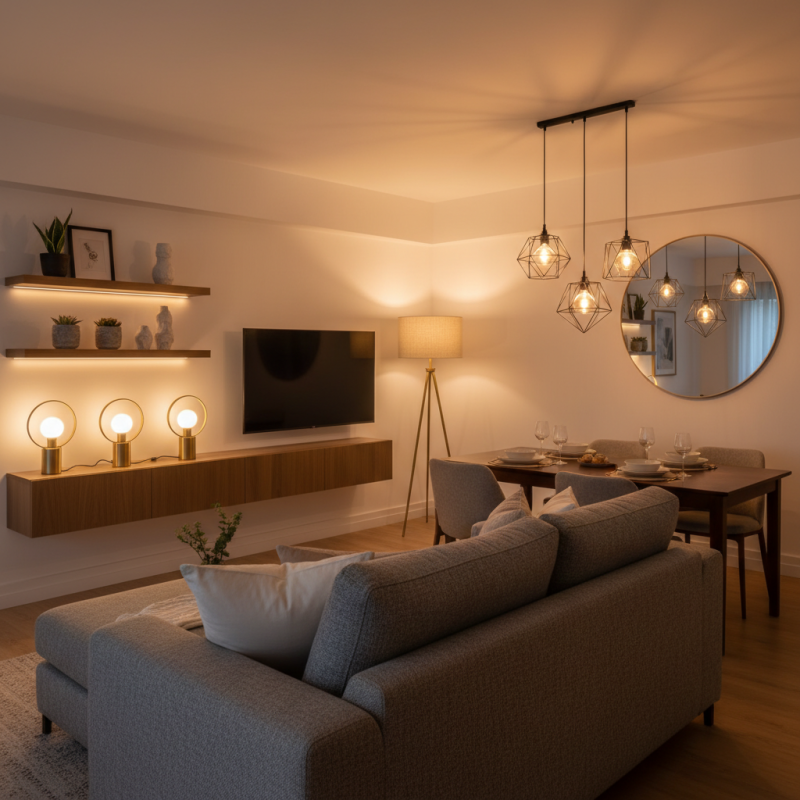
Indoor decor lighting plays a vital role in creating the right atmosphere. It influences mood and functionality. A well-lit space feels inviting. Dim lighting can make a cozy nook, while bright lights enhance productivity.
To achieve stunning indoor spaces, consider layering different types of light. Combine ambient, task, and accent lighting. Ambient lighting provides overall illumination. Task lighting helps with activities like reading or cooking. Use accent lights to highlight art or architectural features.
Consider the color temperature of your lights. Warm tones create a comforting feel, while cooler tones can energize a space. Sometimes, balancing these can be tricky. Too much or too little of each can alter your desired effect.
Placement matters significantly. Lights should be positioned to avoid harsh shadows. Experiment with different heights and angles. It’s easy to overlook small details, but they can transform a room dramatically. Engage in trial and error to discover what works best for you.
| Tip Number | Lighting Type | Description |
|---|---|---|
| 1 | Ambient Lighting | Provides overall illumination and sets the mood of the space. |
| 2 | Task Lighting | Focuses light on specific areas for activities such as reading or cooking. |
| 3 | Accent Lighting | Highlights specific features or decor elements to create focal points. |
| 4 | Dimmer Switches | Allows for adjustable lighting levels to create different atmospheres. |
| 5 | LED Bulbs | Energy-efficient and longer-lasting, providing various color temperatures. |
| 6 | Layering Lights | Combining different lighting types for versatility and depth in design. |
| 7 | Natural Light | Maximizing windows and mirrors to enhance daylighting in indoor spaces. |
| 8 | Statement Fixtures | Using bold light fixtures as decorative elements to enhance aesthetics. |
| 9 | Color Temperature | Choosing the right color temperature for different rooms promotes comfort. |
| 10 | Smart Lighting | Integrating smart technology for remote control and customizable options. |
: The content aims to provide informative insights on various topics.
The target audience includes individuals seeking knowledge and guidance.
The content is regularly updated, but specific intervals may vary.
While efforts are made to ensure accuracy, it's wise to verify information.
Reporting errors helps improve the content and make it more reliable.
Questions can be open-ended or direct; clarity is vital for understanding.
Discussions should avoid taboo subjects and illegal content.
Engaging respectfully and sharing insights is encouraged for meaningful exchanges.
Yes, anonymous feedback is accepted to foster honest communication.
Suggestions are reviewed and may influence future content improvements.
Indoor Decor Lighting plays a crucial role in creating inviting and aesthetically pleasing spaces. Understanding its importance allows homeowners to set the mood and improve the functionality of their rooms. Choosing the right type of lighting fixtures can transform a dull area into a vibrant one, while layering light adds depth and warmth, enhancing the overall atmosphere.
Incorporating decorative elements into lighting design not only serves practical purposes but also enriches the visual appeal of the indoor environment. Additionally, maximizing light through the use of color and reflective surfaces can make spaces feel larger and more open. By following these tips, individuals can elevate their indoor decor lighting to achieve stunning interior designs.

 Cool Light