The demand for High Lumen Illumination solutions has surged globally. As lighting technologies advance, buyers seek efficient and effective options. John Stanford, a lighting technology expert, emphasizes, "High lumen output is essential for visibility and safety."
Innovative designs and sustainable technologies are now reshaping the landscape. Manufacturers are focusing on energy efficiency without sacrificing lumens. However, some products promise high output but lack durability. Buyers must consider performance alongside lumen output.
Navigating this market can be challenging. Ensuring reliability and effectiveness is crucial. Exploring options often reveals inconsistencies in quality. By understanding the needs of various applications, buyers can make informed choices in High Lumen Illumination.
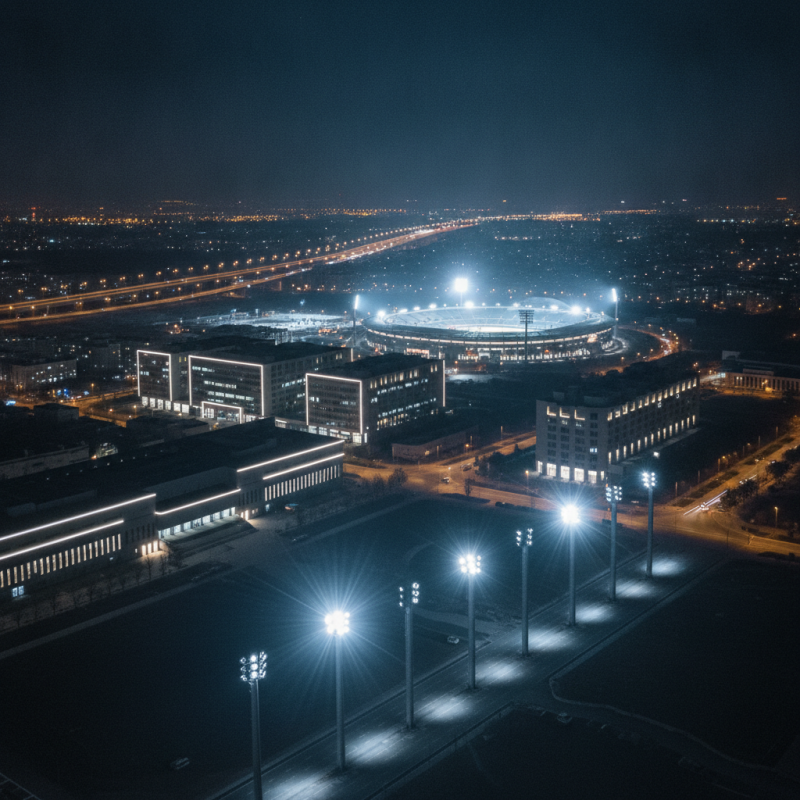
High lumen illumination solutions offer a brighter alternative for various lighting needs. These solutions focus on increasing visible light output, improving visibility in both commercial and residential settings. When selecting a high lumen solution, consider factors like energy efficiency and longevity. Not all products guarantee the same lifespan or cost-effectiveness.
Tips: Look for warranties or certifications. These can indicate reliability. A well-reviewed product may offer better performance over time. Remember, not every high lumen product fully meets user expectations. Pay attention to the light distribution. It can significantly impact the overall effectiveness of your lighting.
Choosing the right solution depends on specific needs. For example, outdoor applications may require weather-resistant designs. Indoor spaces can benefit from adjustable lumen levels for versatility. Users must reflect on what features matter most to them. Balancing brightness with energy consumption is crucial. Ultimately, informed choices lead to better lighting satisfaction.
Understanding lumen output is crucial for selecting the right lighting solutions. Lumen is a measure of the total visible light emitted by a source. Higher lumen output means brighter light. For buyers, this metric can directly impact productivity, safety, and ambiance.
In commercial and industrial spaces, high lumen lighting helps with visibility and performance. A well-lit area enhances focus and reduces accidents. However, more lumens do not always mean better quality. The placement and type of lighting matter significantly. Buyers should consider the application and aesthetic along with lumen output.
Choosing the right solution requires knowledge about lumen output and its effects. Sometimes, buyers fall into the trap of equating high lumens with quality. It's essential to research and reflect on how light interacts with the environment. Lighting should serve a purpose, creating a balance between brightness and comfort. This balance is often overlooked. The goal is lighting that enhances not just visibility but also the overall experience.
High lumen illumination is essential in various industries, from agriculture to security. Key brands are innovating and providing solutions worldwide. A recent report projected that the global LED market would exceed USD 100 billion by 2025, reflecting the growing demand for high-lumen products.
Many products offer exceptional brightness levels. This makes them perfect for outdoor areas and large commercial buildings. However, not all brands maintain consistent quality. Some high-lumen solutions may lead to increased glare or waste energy. Choosing reliable manufacturers is crucial for effective lighting solutions.
Tips: Always consider energy efficiency ratings. This can greatly impact long-term costs. Look for certifications, as these indicate quality assurance. Lastly, do not overlook customer reviews. They can reveal both strengths and weaknesses in specific products. Investing time in research will pay off.
High lumen lighting solutions have gained popularity globally due to their efficiency and performance. Various technologies now compete for market share, including LED, Xenon, and metal halide lamps. Recent reports indicate that LED lighting has surpassed 60% of the market for high lumen applications. This shift is driven by its increasing efficiency and longevity, which can reach up to 50,000 hours.
When looking at these technologies, one must consider their application environments. For instance, LED lights are ideal for outdoor and industrial settings where superior brightness is crucial. In contrast, metal halide systems might suit certain retail environments despite being less efficient. Understanding the specific needs of your space is vital to making the right choice.
Tips: Always assess the total cost of ownership. While an upfront investment might be higher for LEDs, they can save significant energy costs over time. For emergency situations, remember that high-lumen capabilities can vary greatly. A solution that shines bright might not be practical for all applications, leading to real-world challenges in deployment. Balancing efficiency with actual performance metrics is essential for achieving effective illumination.
| Lighting Technology | Lumen Output (lm) | Efficacy (lm/W) | Color Temperature (K) | Application Areas |
|---|---|---|---|---|
| LED Floodlight | 20,000 | 120 | 5000 | Outdoor Sports, Security Lighting |
| HID High Bay | 25,000 | 75 | 4000 | Warehouses, Manufacturing |
| LED High Bay | 30,000 | 150 | 5000 | Commercial Spaces, Retail |
| Linear LED | 15,000 | 100 | 4000 | Office Lighting, Retail |
| Metal Halide | 30,000 | 80 | 5000 | Stadiums, Large Venues |
| Induction Lighting | 20,000 | 90 | 3000 | Street Lighting, Parking Lots |
| Smart LED Lights | 24,000 | 160 | 5000 | Smart Cities, Pathways |
| Fluorescent High Output | 18,000 | 75 | 3500 | Factories, Schools |
| CFL High Lumen | 12,000 | 70 | 4100 | Home Lighting, Office |
| Solar LED Street Lights | 15,000 | 100 | 5000 | Rural Areas, Parks |
High lumen illumination solutions are increasingly vital across various industries. Manufacturing, warehousing, and retail sectors benefit greatly from advanced lighting technologies. These solutions enhance productivity, safety, and energy efficiency. According to the International Energy Agency, LED lighting can reduce energy consumption by up to 75% compared to traditional incandescent bulbs. This shift not only minimizes costs but also contributes to sustainability goals.
In healthcare settings, high lumen lighting improves visibility in critical areas. Studies show that brighter environments can lead to better patient outcomes. Surgical rooms with adequate lighting reduce errors significantly. For agricultural applications, high lumen lights foster better plant growth. Data indicates that supplemental lighting can increase crop yields by 30% or more.
While the advantages are substantial, challenges remain. Not all high lumen solutions provide uniform light distribution. Some may create harsh shadows or glare, impacting safety and productivity. Further research is necessary to address these issues effectively. Balancing illumination needs with energy-saving practices can be complex. Continuous innovation in high lumen technology is required for optimal solutions in varying environments.
: High lumen lighting solutions offer efficient and bright illumination for various applications. They enhance performance and energy efficiency.
LED lighting has become popular due to its efficiency and longevity, lasting up to 50,000 hours.
LED lights excel in outdoor and industrial settings where high brightness is essential for performance.
Metal halide systems may suit some retail environments, but they are less efficient than LEDs.
Always assess the total cost of ownership. Initial costs can be higher, but LEDs save energy in the long run.
In healthcare, high lumen lighting enhances visibility in critical areas, improving patient outcomes and reducing errors.
High lumen solutions can boost plant growth, with data suggesting up to a 30% increase in crop yields.
Some high lumen lights may create harsh shadows or glare, affecting safety and productivity in certain settings.
Not all high lumen lighting solutions offer uniform light distribution, which can lead to safety concerns.
Continuous innovation is necessary to address existing challenges and enhance lighting efficiency and performance.
High Lumen Illumination solutions are crucial for achieving effective lighting across various industries. This article provides an overview of the key features of high lumen outputs, highlighting their importance in enhancing visibility and energy efficiency. It explains how lumen output directly correlates with the brightness of a light source, making it an essential factor for buyers looking for optimal lighting solutions.
Furthermore, the article explores various high lumen lighting technologies available in the market, offering a comparative analysis of their performance and applications. From industrial facilities to commercial spaces, high lumen illumination provides significant benefits such as improved safety and productivity. Understanding these solutions empowers global buyers to make informed decisions, maximizing the advantages of high lumen lighting in diverse applications.

Cool Light