Essential Tips for Choosing Industrial LED Lighting Solutions?

Time:2026-02-17 Author:Madeline
0%

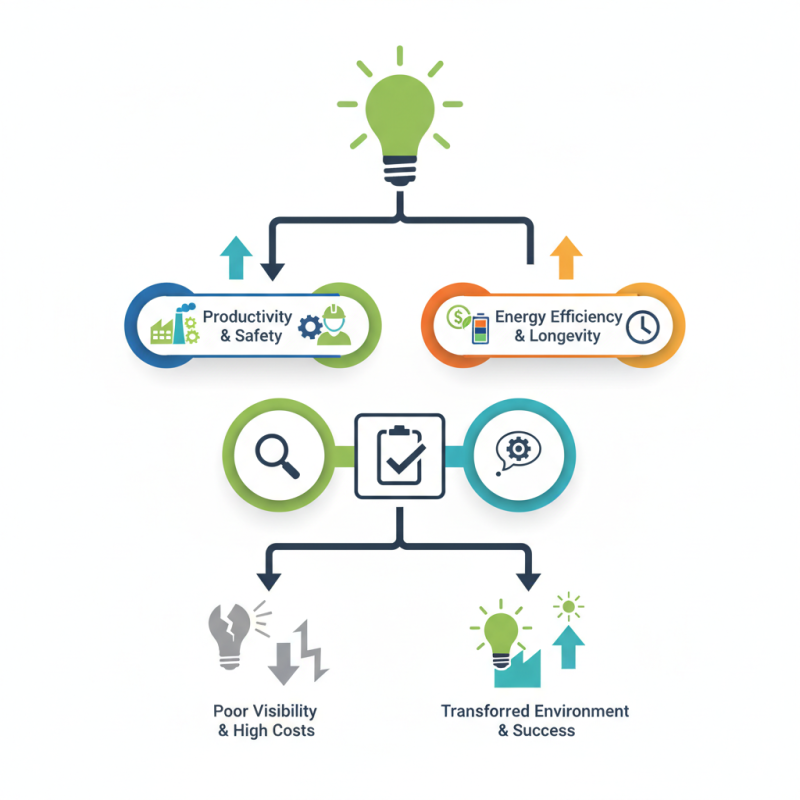
In the rapidly evolving world of Industrial LED Lighting, making the right choice can significantly impact operational efficiency. Expert Thomas Reed, a leading figure in this industry, emphasizes, "The right lighting solution can boost productivity and safety." This statement highlights the critical nature of selecting suitable lighting.

Many businesses underestimate the impact of proper lighting. Industrial environments demand specific solutions, tailored to unique applications. From warehouses to manufacturing plants, the requirements vary widely. Choosing the wrong lighting can lead to issues such as poor visibility and increased energy costs.

Moreover, understanding technology and energy efficiency is essential. LED lights offer longevity and savings, but not all products are equal. Reflecting on individual needs and conducting thorough research is vital. Companies often rush decisions, leading to regret later. The right Industrial LED Lighting choice can transform an environment. Prioritizing quality and thoughtful selection is crucial for success.
Essential Tips for Choosing Industrial LED Lighting Solutions?

Understanding the Types of Industrial LED Lighting Solutions Available

When exploring industrial LED lighting solutions, it's crucial to understand the different types available. Key options include high bay lights, low bay lights, and area lights. High bay lights are perfect for warehouses and factories with high ceilings. They provide ample illumination for large spaces. Low bay lights work well in areas with lower ceilings. They aim to maintain efficiency while providing adequate lighting.

Another consideration is floodlights, which are excellent for outdoor applications. They illuminate vast areas and enhance security at night. It's essential to choose the right wattage for your specific needs. Too much light can cause glare, while too little leads to safety issues. LED tubes are also popular. These fixtures can replace traditional fluorescent lights and help save energy.

While these options offer great advantages, it is important to assess your lighting layout. Not every environment needs the same type of light. Sometimes, the installation may not yield the expected results. Reflect on the purpose of the lighting. Are you focused on energy efficiency or maximizing visibility? Evaluating these factors ensures you select the best solution for your industrial space.

Evaluating Energy Efficiency Metrics for LED Lighting in Industrial Settings

When evaluating energy efficiency metrics for LED lighting in industrial settings, start with the lumen output. High lumen output is crucial for large spaces. It determines how bright the light source is. Measure it against the wattage to find the efficacy. Higher efficacy means better energy savings. Aim for at least 100 lumens per watt to ensure efficiency.

Consider the color temperature too. It affects visibility and mood. A cooler spectrum often enhances alertness. However, overly harsh lighting can cause discomfort. Balance this with softer options in less active areas. Pay attention to your specific work environment. Some tasks require brighter light, while others may benefit from fewer lumens.

Don't overlook lifespan and maintenance costs. LED lights typically last longer, but installation is key. Initial costs can seem high. Consider long-term savings on replacements and energy bills. Reflect on the total cost of ownership, not just upfront expenses. This approach helps in making smarter choices for sustainable industrial lighting.

Key Factors Influencing the Lifespan of Industrial LED Lighting Systems

When selecting industrial LED lighting solutions, various factors influence their lifespan. Understanding these factors can help businesses make informed choices. Quality components play a pivotal role. Cheaper alternatives might save money upfront but can lead to a quicker burnout. Investing in high-quality diodes and driver circuits helps enhance both performance and durability.

Environmental conditions present another crucial variable. High temperatures, humidity, and dust can negatively affect LED systems. In harsh environments, it might be wise to consider fixtures rated for extreme conditions. Regular maintenance is equally significant. Dust accumulation can impede light output and efficiency. Neglecting this responsibility can lead to premature failure of the lighting systems.

Another notable factor is the proper installation. Incorrect wiring or positioning can cause issues that diminish the lifespan of LED lights. It's essential to follow guidelines for optimal performance. Furthermore, being aware of power supply stability can prevent voltage spikes that harm LEDs. Taking these details into consideration can result in a more reliable lighting solution.

Compliance Standards and Regulations for Industrial LED Lighting

Compliance standards for industrial LED lighting are crucial. These regulations ensure safety, efficiency, and sustainability. Organizations must understand the guidelines that govern their operations. This includes understanding local and national codes.

It is essential to check the Energy Star certification and the DesignLights Consortium's specifications. These certifications indicate that the lighting meets high-performance standards. However, not all products advertise compliance clearly. Verify documentation thoroughly before making final decisions.

In addition, be aware of environmental regulations. Some areas have specific requirements to reduce light pollution. Ignoring these can lead to penalties. Your choice of lighting solutions should reflect a commitment to compliance and responsibility. Regular audits can help improve standards and ensure ongoing adherence to regulations.

Cost-Benefit Analysis of Upgrading to Industrial LED Lighting Solutions

Upgrading to industrial LED lighting can seem daunting. The upfront cost is often higher than traditional lighting. However, this is where a cost-benefit analysis becomes crucial. Analyzing energy savings is essential. LED lights consume significantly less energy. Over time, this leads to lower electricity bills.

Maintenance costs are another factor to consider. Traditional bulbs burn out frequently and require replacement. In contrast, LED lights last longer, reducing replacement frequency. This longevity can lower labor costs associated with replacing bulbs.

It’s also important to evaluate lighting quality. LEDs offer better lighting options for industrial settings. They improve visibility and safety, which can enhance productivity. However, the initial investment may be hard to justify for some. It’s critical to reflect on long-term benefits versus short-term expenses.

Essential Tips for Choosing Industrial LED Lighting Solutions

Criteria Description Estimated Cost ($) Estimated Lifespan (years) Energy Efficiency (lm/W)
Light Output Measured in lumens, indicating brightness. 200 10 130
Color Temperature Range of warm to cool lighting. 150 12 120
Dimmability Ability to adjust light levels based on needs. 100 8 110
Ingress Protection Resistance to dust and water. 180 15 125
Warranty Length of coverage against defects. 60 5 95

FAQS

: What is the purpose of this article?

: The article aims to inform readers about various relevant topics.

How can I stay updated with new information?

Regularly check trusted sources or subscribe to latest news alerts.

Are there any risks involved with the discussed topics?

Yes, some activities might pose risks. Always assess the situation carefully.

What should I consider before taking action?

Think about potential outcomes and impacts on yourself and others.

How can I ensure accuracy in my information?

Cross-reference multiple sources. Verify facts before forming opinions.

Is it okay to seek advice from others?

Absolutely, seeking guidance can provide new insights and perspectives.

What if I make a mistake?

Reflect on it. Mistakes offer opportunities for learning and growth.

Can I trust all online information?

No, not all information is reliable. Approach with skepticism.

How should I approach complex topics?

Break them down into manageable parts. Tackle one section at a time.

What is an important takeaway from the article?

Engage critically with content. Always question and analyze what you read.

Conclusion

When considering Industrial LED Lighting solutions, it is crucial to understand the various types available in the market, as each is suited for different applications. Evaluating energy efficiency metrics is equally important, as these metrics can significantly impact operational costs and sustainability efforts in industrial settings. Key factors such as the quality of components and environmental conditions can influence the lifespan of these lighting systems, making it vital to choose products that ensure durability and reliability.

Furthermore, compliance with industry standards and regulations is essential to maintain safety and performance in industrial environments. A thorough cost-benefit analysis of upgrading to Industrial LED Lighting solutions will reflect not just on immediate savings but also on long-term value, including reduced energy consumption and maintenance costs. By considering these elements, industries can make informed decisions that enhance productivity while achieving energy-efficient practices.

Madeline

Madeline

Madeline is a dedicated marketing professional with a wealth of expertise in our company's core offerings. With a keen understanding of the industry, she brings a unique perspective to her role, consistently delivering high-quality content that highlights the superior aspects of our products. As......