Essential Tips for Choosing Industrial Lighting Systems?

Time:2026-07-14 Author:Sophia
0%

Choosing the right industrial lighting systems is crucial for any business. Proper lighting enhances safety, productivity, and energy efficiency. Yet, many organizations overlook its importance. They may choose systems based solely on cost, neglecting the long-term impact.

Industrial lighting systems vary widely in design and function. It can be overwhelming to decide which options best fit your facility’s needs. Factors like brightness, energy consumption, and maintenance play significant roles. Each factory has unique requirements, and a one-size-fits-all approach rarely works.

Additionally, technology is rapidly evolving. Newer systems offer improved efficiency and durability. However, some businesses still rely on outdated lighting solutions, which can result in higher operational costs. Reflecting on these aspects is essential for making informed decisions about industrial lighting systems.
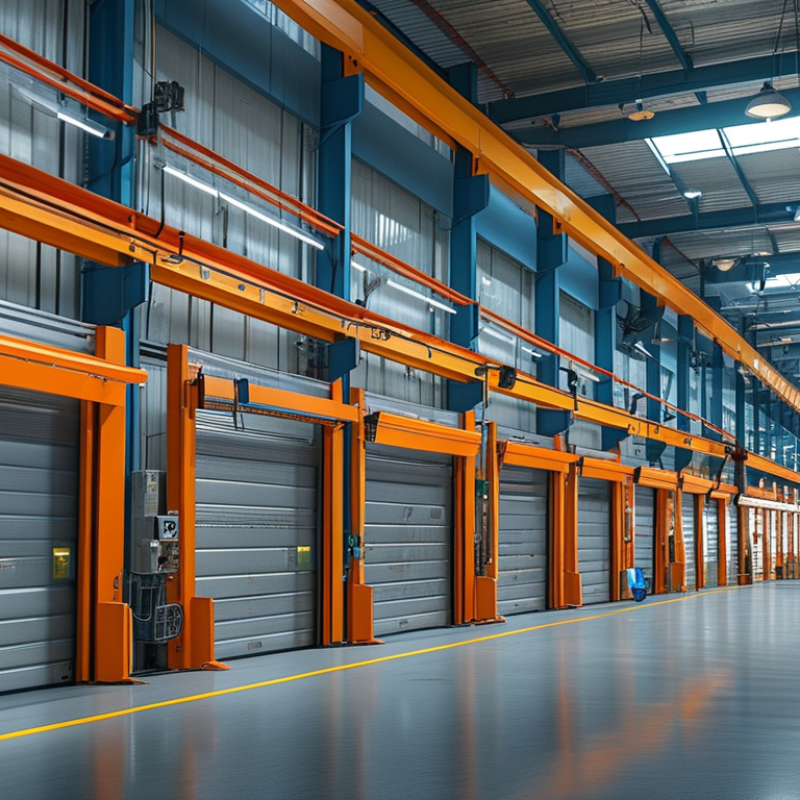
Essential Tips for Choosing Industrial Lighting Systems?

Consider the Type of Industrial Space for Lighting Needs

When selecting industrial lighting systems, the type of industrial space is crucial. Different environments have unique lighting requirements. Factories, warehouses, and retail spaces each demand specific illumination levels. For example, the Illuminating Engineering Society recommends around 300-500 lux for general work areas in factories, while warehouses might only need about 100-200 lux.

Consider the activities occurring in these spaces. Areas with precision tasks may require brighter lights and higher color rendering. Inadequate lighting can lead to errors and accidents. A survey by the National Safety Council indicated that poor visibility contributes to 30% of workplace accidents. Therefore, effective lighting not only enhances productivity but also improves safety.

Moreover, the energy efficiency of lighting systems should not be overlooked. The U.S. Department of Energy reports that industrial lighting accounts for about 30% of total energy use in facilities. Opting for LED lights can significantly cut costs. They offer longer lifespans and require less maintenance. Understanding the specific needs of your industrial space can lead to both economic and safety benefits. Each space is unique; lighting solutions should reflect this diversity to ensure optimal functionality.

Evaluate Different Types of Industrial Lighting Options Available

When evaluating different types of industrial lighting options, there are several factors to consider. The right lighting enhances safety and productivity. Traditional high-intensity discharge (HID) lights provide excellent illumination but consume significant energy. In contrast, LED systems offer energy efficiency, longer lifespans, and reduced heat output. However, they can have higher upfront costs.

Consider the specific environment where the lighting will be installed. For outdoor spaces, durability against weather conditions is crucial. For indoor warehouses, the distribution of light and its brightness are important for visibility. Fluorescent lights are cost-effective and suitable for many indoor applications, yet they can flicker and may not perform well in colder temperatures.

Here are some tips to guide your decision. Always evaluate the color temperature of lights. A cooler light can improve alertness, while warmer tones create a more comfortable atmosphere. Don’t forget about maintenance requirements. Some systems require more frequent replacements or repairs. Finally, assess your energy budget to determine the best long-term investment for your facility.

Essential Tips for Choosing Industrial Lighting Systems

This bar chart illustrates the energy efficiency measured in lumens per watt for different types of industrial lighting systems. Understanding these metrics helps in selecting the most efficient lighting solution for industrial applications.

Assess Energy Efficiency and Sustainability in Lighting Choices

When selecting industrial lighting systems, energy efficiency and sustainability should be primary concerns. According to a report by the U.S. Department of Energy, improving lighting efficiency can reduce energy costs by up to 30%. Implementing LED technology is one effective way to achieve this. LEDs consume less power and have longer lifespans, leading to reduced waste and lower replacement frequency.


Consider the environmental impact of your choices. The Global Lighting Association states that increased energy efficiency in lighting could reduce global CO2 emissions by up to 1.5 gigatons annually. Assessing the life cycle of lighting systems helps in understanding their environmental footprint.


Tips for making better choices:
Evaluate the energy usage of different lighting systems. Compare the wattage and lumens per watt. Look for systems that allow for smart controls, enabling automatic adjustments based on occupancy. Conduct regular audits to identify inefficiencies and opportunities for upgrades. Making informed decisions today can lead to substantial benefits for your facility and the environment.

Analyze the Importance of Maintenance and Longevity of Lighting Systems

Maintenance and longevity of lighting systems are crucial for industrial environments. Regular upkeep ensures optimal performance and energy efficiency. Poor maintenance can lead to increased downtime. A single outage can disrupt operations, costing businesses both time and money.

Investing in quality lighting systems pays off in the long run. Durable fixtures reduce the frequency of replacements. However, many facilities overlook this aspect. It’s easy to focus on initial costs and ignore maintenance schedules. This oversight can lead to unexpected expenses and safety hazards.

A thorough evaluation of existing systems can reveal hidden issues. Implementing a proactive maintenance plan helps identify problems early. Additionally, training staff on proper handling and care of fixtures can extend their lifespan. Consider conducting routine inspections and replacing worn parts promptly. While the benefits may seem gradual, the impact on productivity can be substantial.

Factor in Safety Standards and Regulations for Industrial Lighting

When selecting industrial lighting systems, safety standards and regulations cannot be overlooked. In warehouses, the risk of accidents increases without proper illumination. The National Safety Council estimates that workplace accidents account for about 4 million injuries annually. Poor lighting contributes significantly to these figures, as inadequate visibility can lead to slips, trips, and falls.

Adhering to safety regulations like OSHA standards is crucial. For instance, OSHA mandates specific illumination levels for various industrial environments. Warehouses should have at least 5 foot-candles in walkway areas, while assembly lines require a minimum of 10 foot-candles. These guidelines ensure workers can see hazards clearly and respond appropriately. It’s essential to regularly assess lighting conditions and upgrade systems that fall short of these standards.

However, achieving compliance is not always straightforward. Some facilities may find existing lighting systems inadequate. Older technology often fails to meet current safety requirements. Regular audits are necessary to identify these shortcomings. Investing in modern lighting solutions can drastically improve safety, yet it is often overlooked. The initial costs may deter some businesses, but the long-term benefits in safety and efficiency justify the expense.

Essential Tips for Choosing Industrial Lighting Systems

Factor Details
Light Type LED, Fluorescent, HPS
Energy Efficiency Opt for ENERGY STAR rated products
Lumen Output Ensure adequate illumination for work areas
Color Temperature Consider bright white (5000K) for clarity
Safety Standards Compliance with OSHA and ANSI guidelines
Durability Choose fixtures rated for industrial environments
Installation Requirements Evaluate the need for professional installation
Maintenance Consider ease of access for maintenance activities

FAQS

: What should I consider when selecting industrial lighting systems?

: Consider the type of industrial space and its specific lighting needs. Factories, warehouses, and retail spaces have different requirements.

How does lighting affect safety in the workplace?

Inadequate lighting contributes to many accidents. Poor visibility can lead to errors, slips, and falls. Safety lighting is essential.

What is the recommended light level for factories?

Factories typically require around 300-500 lux for general work areas. This level helps ensure adequate visibility for tasks.

Why is energy efficiency important in industrial lighting?

Energy efficiency reduces costs and environmental impact. Lighting can account for about 30% of total energy use, so efficiency is vital.

How can LED lights benefit industrial spaces?

LEDs consume less power, last longer, and need less maintenance. They can significantly lower energy costs and waste.

What safety standards should I follow for warehouse lighting?

Compliance with OSHA standards is crucial. Warehouses should have at least 5 foot-candles in walkways for safety.

How often should I assess my lighting conditions?

Regular audits are necessary to identify inefficiencies. This helps maintain safety and compliance with current regulations.

What challenges might I face in upgrading lighting systems?

Many facilities struggle with outdated technology. Initial costs may deter upgrades, but long-term safety benefits should be considered.

How can I evaluate lighting efficiency?

Assess wattage and lumens per watt. Look for systems with smart controls to optimize usage based on occupancy.

What is one way to reduce global CO2 emissions through lighting?

Improving lighting efficiency could reduce global CO2 emissions by up to 1.5 gigatons annually. Sustainable choices matter.

Conclusion

Choosing the right Industrial Lighting Systems is crucial for creating a safe and efficient work environment. First, consider the specific types of industrial spaces, as different areas may have unique lighting needs based on their functions and activities. Evaluating the various lighting options available, such as LED, fluorescent, or high-intensity discharge lights, will help determine the best fit depending on the workplace's requirements.

In addition to functionality, assessing energy efficiency and sustainability is essential for long-term operation cost savings and environmental responsibility. Maintenance and longevity of the lighting systems should also be prioritized to minimize downtime and ensure optimal performance. Lastly, it's vital to factor in safety standards and regulations to ensure compliance, protecting both workers and equipment. By following these essential tips, organizations can make informed decisions about their Industrial Lighting Systems.

Sophia

Sophia

Sophia is a dedicated marketing professional with an exceptional depth of knowledge about her company's products and services. With a keen understanding of market trends and customer needs, she crafts insightful blog posts that not only inform but also engage readers, enriching the company’s online......