The growing demand for energy-efficient solutions has propelled the need for Industrial LED Lighting Systems. According to a report by the U.S. Department of Energy, LED lighting can reduce energy consumption by up to 75% compared to traditional lighting sources. This shift not only lowers operating costs but also minimizes environmental impact.
Expert in industrial lighting, Dr. Emily Carter, states, "Choosing the right LED system is crucial for maximizing efficiency." She emphasizes the importance of considering factors like lumen output, color temperature, and photometric performance. Poor choices can lead to inadequate illumination levels and higher energy costs.
Many companies overlook these critical aspects when selecting their lighting systems. This can result in dimly lit workspaces or excessive energy bills. Understanding the nuances of Industrial LED Lighting Systems can greatly improve operational efficiency and enhance worker productivity. Therefore, taking the time to evaluate all options is essential for any industrial facility.
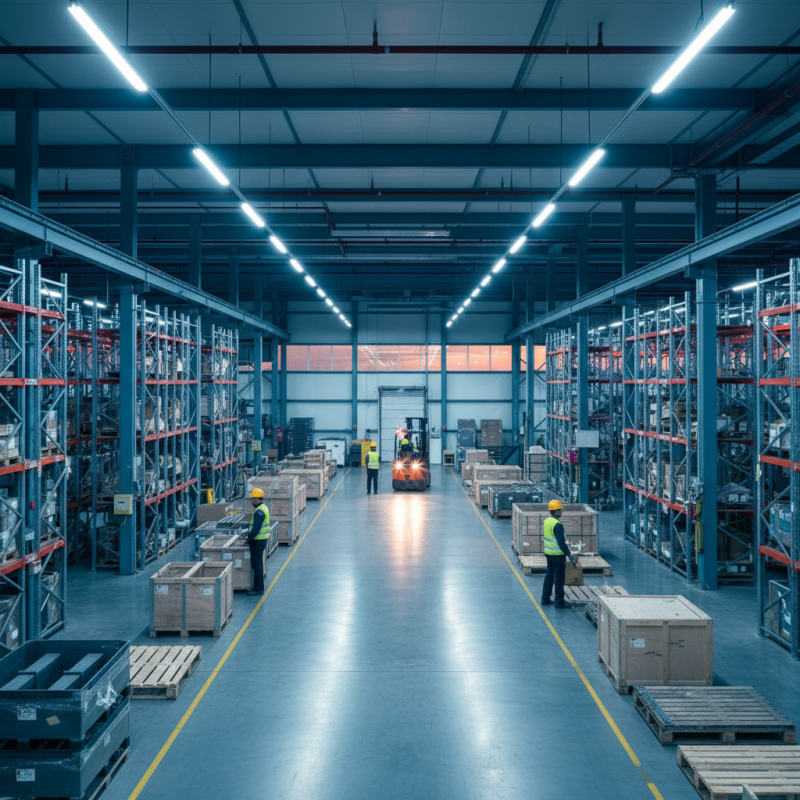
Understanding the Basics of Industrial LED Lighting Systems
When selecting an industrial LED lighting system, understanding the basics is essential.
LED lights are energy-efficient and long-lasting. They reduce operational costs significantly compared to traditional lighting. Familiarity with terms like lumen, wattage, and color temperature can help in making informed choices.
Choosing the right wattage matters. If it's too low, the area may be poorly lit. Too high can lead to over-illumination, wasting energy. Consider the space you need to illuminate. High ceilings require powerful fixtures. Note that color temperature affects mood and productivity. Warmer tones create a cozy environment, while cooler tones enhance focus.
Tips for choosing an LED system include evaluating your specific lighting needs. Reflect on the layout of your workspace. An improper fit can lead to inefficient lighting. Look into dimming options for added flexibility. It’s crucial to assess your budget, but don't compromise on quality for savings. Quality lighting enhances safety and employee satisfaction.
Evaluating Energy Efficiency and Cost Savings in LED Solutions
When evaluating energy efficiency in industrial LED lighting systems, several factors come into play. First and foremost, consider the wattage of the bulbs. Lower wattage typically means less energy consumption. However, this does not always equate to reduced brightness. Balance is key. Look for bulbs that provide adequate lumens per watt. Sometimes, the cheapest option isn’t the most efficient in the long run.
Energy costs can be a significant part of an industrial operation’s budget. Switching to LED can lead to substantial savings. These lights last longer than traditional options, reducing maintenance costs. Think about the total cost of ownership rather than just the initial purchase price. Reflect on how long it takes for energy savings to offset the initial investment. You may be surprised by the numbers.
Organizations often overlook the importance of proper lighting design. The layout and placement of fixtures impact energy efficiency. Shadows and dark spots can waste energy and affect productivity. It’s essential to evaluate how light spreads throughout the space. Consider using sensors and dimmers to further enhance efficiency. Taking time to assess these details can lead to better outcomes.
Identifying Key Factors in Lumens and Colour Temperature Selection
When selecting industrial LED lighting systems, lumens and color temperature are crucial factors. Lumens measure brightness. More lumens mean a brighter space. But too much brightness can cause glare. Achieving the right balance is essential for productivity and safety.
Color temperature impacts the ambiance. It is measured in Kelvin (K). A cooler color temperature, around 5000K, mimics daylight. This can enhance focus in workspaces. Warmer temperatures, like 3000K, create a softer feel. However, using warmer lights in a factory can lead to lower alertness. Be mindful of the environment and tasks performed.
Consider the specific needs of your space. Assess how the light interacts with surfaces. Reflections can affect visibility. Some materials absorb light differently. Test a few options before making a final decision. Take your time to analyze. It's better to adjust than to rush into choices that might not work.
Assessing Durability and Lifespan of Industrial LED Fixtures
When selecting industrial LED lighting systems, assessing the durability and lifespan of fixtures is crucial. According to the Department of Energy, high-quality LEDs can last up to 50,000 hours. However, not all LEDs are created equal. Some budget options may only last around 15,000 to 20,000 hours. This discrepancy can lead to increased costs over time due to replacements.
Durability often correlates with construction quality. Look for fixtures made of robust materials like aluminum or polycarbonate. These materials can withstand harsh environments. It’s essential to check the ingress protection (IP) rating; a higher IP rating indicates better protection against dust and moisture. Reports suggest that options with at least IP65 can endure industrial conditions.
Heat management is another factor that affects lifespan. Inefficient heat dissipation can shorten LED life. Fixtures with integrated heatsinks or those designed to promote airflow tend to perform better. Poor heat management leads to failures that could have been avoided. Analyzing these aspects allows for informed decisions, ensuring that you do not overlook potential pitfalls in choosing the right lighting solution.
Exploring Installation and Maintenance Considerations for LED Lighting
When considering the installation of industrial LED lighting systems, it's crucial to assess the environment. Different settings, like warehouses or manufacturing floors, may have unique requirements. Make sure to analyze the height of ceilings and layout of the space. A common mistake is underestimating lighting needs based on aesthetics rather than functionality.
Maintenance is another area that demands attention. Regular checks on fixtures can prevent unexpected failures. Dust and grime can accumulate, diminishing brightness. Plan for cleaning intervals to keep the lights operating efficiently. Consider using smart sensors to monitor performance and detect issues early. This proactive approach can save time and costs in the long run.
While LED systems are known for their longevity, they're not infallible. Balancing installation costs with maintenance strategies is essential. Sometimes it feels overwhelming. Make a list of priorities. Identify what aspects are most critical to your operation. This reflection can lead to better decisions, ensuring your lighting choices align with practical needs.
Essential Tips for Choosing Industrial LED Lighting Systems
This chart illustrates the importance rating of various factors to consider when choosing industrial LED lighting systems. Higher ratings indicate greater importance in the decision-making process, emphasizing energy efficiency and lifespan as top priorities.
Conclusion
When choosing Industrial LED Lighting Systems, understanding their foundational concepts is crucial. These systems are designed to provide efficient lighting solutions for various industrial settings. Evaluating energy efficiency and potential cost savings is a key aspect, as LED solutions significantly reduce electricity consumption compared to traditional lighting. Additionally, the selection process involves identifying key factors such as lumens and colour temperature, which directly affect the quality and effectiveness of the lighting.
Durability and lifespan are also critical considerations; industrial LED fixtures are built to withstand harsh conditions while offering prolonged operational life. Furthermore, exploring installation and maintenance requirements can enhance the overall efficiency and performance of the lighting system. By carefully assessing these factors, businesses can make informed decisions that optimize their industrial lighting needs.

 Cool Light