Choosing the right indoor LED lighting can transform your space. John Smith, a lighting design expert, once said, "The right light creates an atmosphere." This highlights the importance of making informed selections.
Indoor LED lighting offers energy efficiency and versatility. However, not all options are suitable for every environment. The wrong choice can lead to harsh light or insufficient illumination. Consider your room's purpose and ambience. Soft, warm lights work well in living areas, while brighter lights are crucial in workspaces.
Take time to evaluate your needs. Test different fixtures and colors before committing. Remember, the best choice balances functionality with aesthetics. Reflect on your experiences to make wiser decisions in the future.
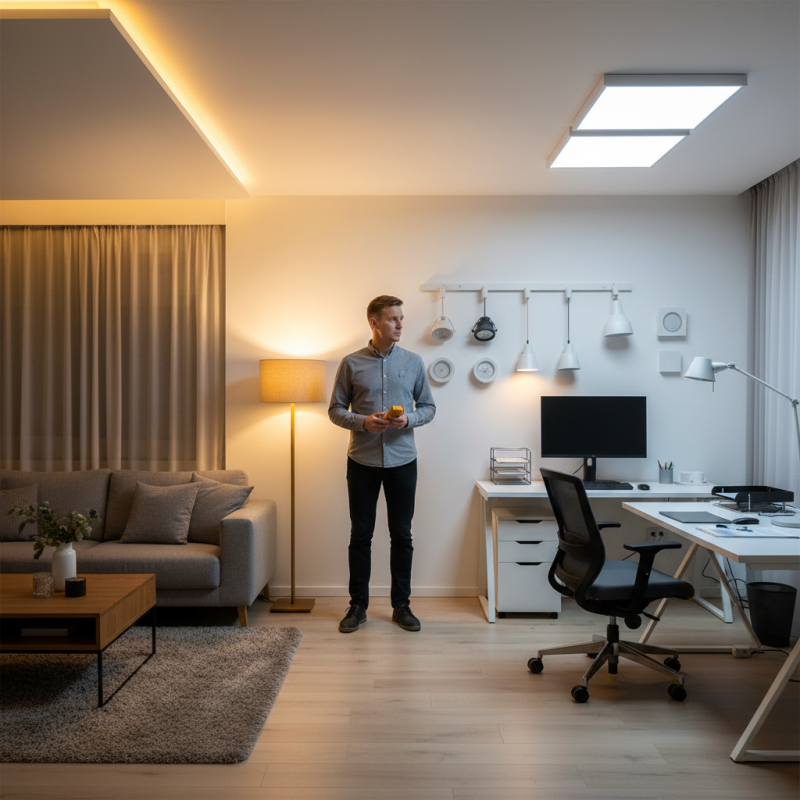
Understanding the basics of LED technology is crucial when selecting indoor lighting.
LED stands for Light Emitting Diode. This technology converts electricity into light with remarkable efficiency.
According to the U.S. Department of Energy, LEDs use at least 75% less energy than incandescent bulbs.
This reduction translates to real savings on electricity bills.
LEDs offer a lifespan of up to 25,000 hours.
This longevity is a significant advantage for consumers. However, not all LEDs perform equally.
Some low-cost options may flicker or produce uneven light. It's essential to check for quality certifications.
Look for products that comply with recognized energy efficiency standards, such as ENERGY STAR.
Color rendering is another crucial factor. The ability of light to reveal the true colors of an object is measured by Color Rendering Index (CRI).
A CRI above 80 is often recommended for indoor spaces. Many consumers overlook this aspect.
Poor color rendering can make a room feel dull and unattractive. Taking the time to understand these details will lead to better lighting choices.
When evaluating your indoor space, consider the purpose of each room. A cozy reading nook needs warm, soft light. This creates an inviting atmosphere. On the other hand, a kitchen requires bright, clear lighting to aid in food preparation. Different tasks demand different lighting styles.
Think about the size of your space. A large room may require multiple light sources to avoid dark corners. Small rooms benefit from fixtures that give the illusion of more space. Natural light sources should also be a major factor in your decision-making. Consider how much sunlight enters each room at different times of the day.
Don't forget to factor in energy efficiency. LED lights save electricity and last longer than traditional bulbs. However, they come in various color temperatures. Some may appear too harsh for a relaxing living room. Test different options before finalizing your choice. Reflect on how each fixture complements your decor and enhances your daily activities.
Choosing the right color temperature for indoor lighting is crucial. Different environments require different types of lighting to create the desired mood. For instance, warmer temperatures around 2700K to 3000K are ideal for living spaces. These tones foster a cozy and inviting atmosphere. They mimic the glow of traditional incandescent bulbs.
On the other hand, cooler temperatures ranging from 4000K to 5000K are better suited for workspaces. This spectrum enhances focus and productivity. It resembles natural daylight, which can improve concentration. However, one should be cautious; overexposure to cool light can cause fatigue. Many find it harsh over long hours.
Balancing these temperatures can be tricky. Too warm might feel sleepy, while too cool can be stimulating. Experimentation is key. It is beneficial to test different bulbs and fixtures in your space. Observing how the light interacts with paint colors and furniture will also help. Ultimately, the goal is a harmonious blend that meets both functionality and comfort.
When selecting indoor LED lighting solutions, assessing energy efficiency and cost-effectiveness is crucial. LEDs use 75% less energy than traditional incandescent bulbs, according to the U.S. Department of Energy. This significant reduction translates to lower electricity bills over time. However, upfront costs for LED fixtures can be higher. It's essential to evaluate the long-term savings coupled with performance.
Consider the lifespan of LED bulbs, which typically lasts 25,000 hours or more. In comparison, incandescent bulbs last around 1,000 hours. Thus, replacing bulbs less frequently means fewer materials added to landfills and less waste. Despite these benefits, some consumers hesitate due to the initial investment.
Pay attention to lumens per watt. Higher numbers indicate better efficiency. Many new models boast over 100 lumens per watt. However, quality varies among products. Certifications from recognized standards can help mitigate risks in selecting lower-quality options. Energy Star and other certifications assure consumers that they are making a reliable choice for their homes.
| Dimension | LED Option A | LED Option B | LED Option C |
|---|---|---|---|
| Wattage | 10W | 15W | 20W |
| Lumens | 800 lm | 1200 lm | 1600 lm |
| Color Temperature | 2700K (Warm White) | 3000K (Soft White) | 4000K (Neutral White) |
| Lifespan | 25,000 hours | 30,000 hours | 50,000 hours |
| Cost (per bulb) | $5.00 | $8.00 | $12.00 |
| Annual Energy Cost | $1.20 | $1.80 | $2.40 |
When selecting indoor LED lighting, aesthetics play a crucial role. Design choices impact mood and functionality. According to a report by the American Society of Interior Designers, lighting affects over 80% of how we perceive a space. This highlights the importance of thoughtful selection in both residential and commercial areas.
Integrating LED lights should reflect the intended atmosphere. For example, warm white tones can create a cozy space, while cooler hues are ideal for task-oriented areas. The Color Rendering Index (CRI) is pivotal as well; a CRI of 90 or above is recommended for vibrant color display. However, many overlook this aspect, resulting in less attractive spaces.
Furthermore, consider the layout. Placing lights in strategic spots can enhance architectural details. A report from Deloitte showed that 78% of consumers prefer spaces with well-planned lighting. This suggests that thoughtful design choices can lead to higher satisfaction. However, some may get caught up in trends, neglecting personal style and comfort. Balancing aesthetics with functionality requires careful consideration and sometimes, trial and error.
: LED stands for Light Emitting Diode. It converts electricity into light efficiently.
LEDs use at least 75% less energy than incandescent bulbs, leading to cost savings.
LEDs can last up to 25,000 hours, significantly longer than traditional bulbs.
Check for quality certifications and compliance with energy efficiency standards, like ENERGY STAR.
CRI is Color Rendering Index. A rating above 80 is recommended for revealing true colors.
Warmer temperatures, around 2700K to 3000K, create a cozy and inviting atmosphere.
Cooler temperatures, between 4000K to 5000K, enhance focus and productivity.
Yes, it can cause fatigue if used for long periods.
Too warm can make you sleepy; too cool can be too stimulating. Finding balance is vital.
Longer lifespan leads to fewer replacements, reducing waste in landfills. However, initial costs can be a concern.
When selecting Indoor LED Lighting solutions, it's crucial to understand the fundamentals of LED technology, as it provides the foundation for efficient lighting. Evaluating your indoor space is essential for determining optimal lighting solutions that meet your specific needs. Consider the color temperature of the LEDs, as different environments may require varying shades of light to create the desired atmosphere and functionality.
Additionally, assessing the energy efficiency and cost-effectiveness of LED options can lead to significant savings over time. It's also important to explore aesthetic and design considerations, ensuring that your lighting not only serves a practical purpose but also enhances the overall decor of your indoor spaces. By taking these factors into account, you can achieve an ideal balance between functionality, sustainability, and aesthetics in your Indoor LED Lighting choices.

Cool Light