In the realm of architecture and interior design, "Ceiling Illumination Design" plays a crucial role in shaping spaces. Renowned lighting designer, David Meckel, emphasizes, “Lighting is not just about visibility; it’s about creating an atmosphere.” His perspective highlights the profound impact that effective ceiling lighting can have on mood, functionality, and aesthetics.
Creating an effective ceiling illumination design requires a deep understanding of light's behavior. It's not merely about brightness; it's about layering and integration. Designers must consider factors like the type of lighting fixtures, their placement, and the materials used in the ceiling. This complexity often leads to challenges, as inappropriate lighting can lead to harsh shadows or sterile environments.
Nevertheless, there’s always room for improvement in design choices. A balanced approach ensures that ceiling illumination serves its purpose without overwhelming the space. The journey to achieving optimal lighting is ongoing. Designers must remain open to feedback and experimentation, recognizing that even the most deliberate designs can miss the mark. This brings attention back to the art of "Ceiling Illumination Design", urging professionals to continuously refine their craft.
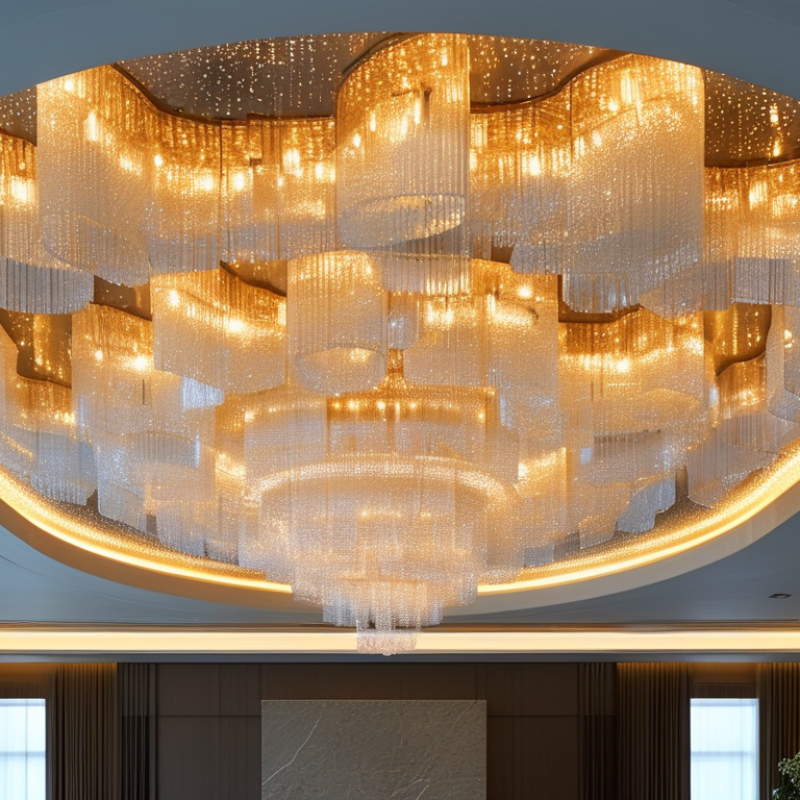
Understanding the Basics of Ceiling Illumination Design
Creating effective ceiling illumination design requires an understanding of basic principles. Light impacts not just visibility but mood and functionality. Choosing the right fixtures and placements is crucial. Before designing, consider the room's purpose. A workspace needs bright, even light. A dining area, on the other hand, benefits from softer tones.
Tips: Use multiple light sources for a balanced look. Mixing ambient, task, and accent lighting can enhance the space. Pay attention to the ceiling height. Low ceilings might require flush mounts to avoid a cramped feel. High ceilings offer opportunities for pendant lights, creating focal points.
Test different bulb types to see what works best. LED lights offer energy efficiency and a longer lifespan. However, they can sometimes appear harsh. Warm white bulbs can create a cozy atmosphere. Adjust hierarchies of light to focus on key areas. Remember that even the best designs may need tweaks over time. Regularly assess how the illumination affects the environment.
Evaluating Different Types of Ceiling Lights and Their Features
Choosing the right ceiling lights can transform a space. Different ceiling light types serve unique purposes. For example, recessed lights offer a sleek look and save space. They blend seamlessly into the ceiling, providing focused lighting. This is perfect for task areas like kitchens or home offices.
Flush mount fixtures are another option. They sit close to the ceiling, making them ideal for rooms with low ceilings. They come in various styles, adding character to any room. When selecting these, consider the brightness and color temperature of the bulbs. Warmer tones can create a cozy atmosphere, while cooler tones promote alertness.
However, finding the right balance can be tricky. Overly bright lights can be harsh and unwelcoming. Dimmer switches might help, but ensure they are compatible with the fixtures. Additionally, think about the fixture's design and how it matches your space. Choosing ceiling lights is not just about functionality; it’s also about aesthetics. Reflecting on these choices is essential for creating effective illumination.
2026 How to Create Effective Ceiling Illumination Design? - Evaluating Different Types of Ceiling Lights and Their Features
| Type of Ceiling Light |
Wattage |
Lumens |
Color Temperature (K) |
Lifespan (Hours) |
| LED Panel Light |
40W |
4000 lm |
4000K |
50000 |
| Recessed Lighting |
15W |
1200 lm |
3000K |
30000 |
| Chandelier |
60W |
4500 lm |
2700K |
20000 |
| Flush Mount Light |
60W |
4000 lm |
3000K |
30000 |
| Pendant Light |
20W |
1600 lm |
3500K |
20000 |
Key Factors to Consider for Effective Illumination Design
Effective illumination design is vital for enhancing both functionality and aesthetics in any space. When considering ceiling lighting, the type and arrangement of fixtures play a crucial role. Recessed lights provide a clean look but may create shadows if not spaced adequately. Choosing the right color temperature is equally important. Warm tones can make a room feel cozy, while cooler tones may energize the environment.
Light distribution is another key factor. Uneven lighting can render a space uncomfortable. Use layers of light to create balance. Ambient light serves as the foundation, while task and accent lights add depth and focus. Reflective surfaces can amplify light but require careful placement to avoid glare.
Consider how the space will be used. For example, a workspace requires bright and focused lighting, while a living area benefits from softer illuminations. It’s easy to overlook these details, leading to ineffective design. Regularly re-evaluating your lighting scheme ensures it meets evolving needs and enhances user experience effectively.
2026 Effective Ceiling Illumination Design Analysis
Techniques for Achieving Balanced Light Distribution
Creating a balanced light distribution in ceiling illumination design is essential. This balance enhances visual comfort and supports various activities. It requires careful consideration of the light sources used and their placement. Overhead lighting should be powerful enough to brighten an area but not so strong that it causes glare or discomfort.
Layering different types of lighting can aid balance. Ambient, task, and accent lights together can create a more dynamic environment. For instance, combining recessed lights with pendant fixtures can illuminate countertops while offering visual interest. However, it's crucial to avoid stark contrasts between light and shadow. This discord can lead to eye strain and diminish the space's overall appeal.
Evaluating the distribution of light within a room isn't always straightforward. Fixtures can cast uneven light patterns, and reflection off surfaces can alter how brightness is perceived. Incorporating adjustable fixtures or dimmers can help adapt the illumination to different tasks. Regularly assessing and adjusting the lighting setup ensures that it meets changing needs and maximizes efficiency.
Balancing light distribution in ceiling design isn't a one-time effort; it's an ongoing journey of improvement and adaptation.
Incorporating Aesthetics and Functionality in Ceiling Lighting
Creating effective ceiling illumination requires a delicate balance of aesthetics and functionality. According to the Lighting Research Center, nearly 80% of interior design satisfaction comes from effective lighting design. A well-thought-out ceiling light arrangement can enhance the ambiance and usability of any space. For example, integrating various light sources—such as recessed lights, pendant lights, and decorative fixtures—can create layers of light that cater to different activities.
Functionality should not be overlooked. Studies from the International Association of Lighting Designers show that proper light levels can improve productivity by up to 20%. Utilize lighting that complements the room's purpose. For instance, in workspaces, a cooler light temperature can keep individuals alert, while warmer tones can foster relaxation in living areas. It's essential to consider the color rendering index (CRI) to ensure colors remain true under artificial lighting.
Despite these guidelines, creating the perfect ceiling illumination isn't a one-size-fits-all solution. Factors like ceiling height, room dimensions, and natural light sources greatly influence the final design. It's important to test different configurations to find what works best, acknowledging that sometimes, less can be more. Refining the design and being open to adjustments can lead to unexpected and pleasing results.
Conclusion
The article titled "2026 How to Create Effective Ceiling Illumination Design?" provides a comprehensive guide to understanding the fundamental aspects of ceiling illumination design. It begins by explaining the basic principles that underpin effective lighting, including the variety of ceiling lights available and their unique features. The discussion emphasizes the importance of evaluating different types of fixtures to select the most suitable options for a given space.
Key factors critical to successful ceiling illumination design are explored, highlighting the necessity of balanced light distribution and aesthetics. Techniques for achieving an even spread of light are detailed, ensuring that both functionality and visual appeal are taken into account. Incorporating these elements can result in a well-designed ceiling illumination solution that enhances both the beauty and usability of the environment.

 Cool Light