Commercial lighting plays a vital role in business environments. It enhances ambiance and ensures safety. Yet, many people wonder, "Why does commercial lighting cost so much?"
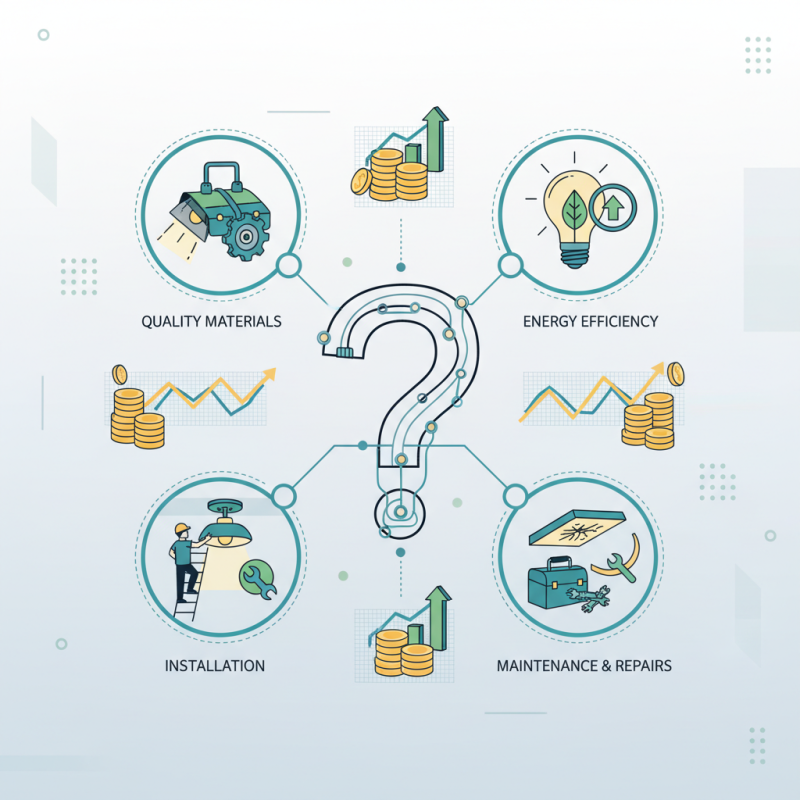
Several factors contribute to the high cost of commercial lighting. Quality materials are one aspect. High-quality fixtures often come with a higher price tag. Additionally, energy efficiency is crucial today. Businesses aim to reduce energy costs through efficient systems. Upfront investments can be daunting. However, they may yield long-term savings.
Installation is another consideration. Professionals are usually needed for optimal results. Labor costs can add up quickly. Maintenance and repairs also impact overall expenses. Over time, these costs might lead one to ponder the value of lighting decisions. Understanding these complexities is essential for businesses. It prompts deeper reflection on lighting choices and budget allocation.
Factors Influencing the High Cost of Commercial Lighting
The cost of commercial lighting is influenced by several critical factors. First, technology plays a significant role. High-efficiency LEDs, for example, tend to have higher upfront costs. Yet, they offer energy savings over time. Installation is another big factor. Complex lighting systems require skilled labor, which adds to the overall expense. It's not just about materials; expertise matters.
Design considerations also impact costs. Customized lighting solutions often lead to increased expenses. The spaces being lit have unique requirements. A restaurant may use softer lighting while a retail store needs bright displays. Additionally, regulatory standards might require specific lighting types for safety or efficiency. These regulations can drive up costs unexpectedly.
Lastly, maintenance is a factor that often gets overlooked. While cheaper fixtures may seem appealing, they can lead to higher long-term costs. Frequent replacements and repairs can add up. Many businesses find themselves without a clear understanding of total costs. This lack of clarity often leads to rash decisions about lighting expenditures. It's important to weigh both initial and ongoing costs carefully.
The Impact of Energy Efficiency on Lighting Prices
When exploring the costs associated with commercial lighting, energy efficiency plays a significant role. Efficient lighting solutions, like LEDs, reduce energy consumption dramatically. This can lead to higher upfront costs but substantial savings in the long run. Installation and maintenance of these systems often elevate initial expenses.
It's easy to feel overwhelmed by the high prices. Many businesses hesitate to invest, focusing only on today’s budget. However, the value of energy efficiency extends beyond immediate costs. Consider the longevity of modern fixtures. They often last longer, which reduces replacement frequency. This means fewer resources spent on maintenance and replacements over time.
Investing in energy-efficient lighting is a practical choice that can become confusing. Many factors influence prices, from technology to installation complexity. Short-term thinking may prevent businesses from making smarter decisions. Evaluating the long-term benefits is essential. Balancing costs with energy savings can reshape a company’s financial outlook.
Maintenance and Durability Considerations in Commercial Lighting
When considering commercial lighting, maintenance and durability are critical factors that can impact overall costs. Studies indicate that about
20% of operational costs in commercial buildings relate to lighting maintenance. Frequent bulb replacements and repairs can lead to significant
downtime. Downtime affects productivity, and high maintenance leads to hidden costs.
Durability comes into play as well. Quality lighting fixtures, though initially more expensive, often last longer. For example, LED lights can last up to 25,000 hours or more, while traditional lighting tends to have a lifespan of only
2,000 hours. This longevity can reduce the frequency of replacements, ultimately saving money over time. However, the upfront investment can be a barrier for many businesses, and this presents a dilemma.
It's important to reflect on the balance between cost and quality. Spending less on cheaper fixtures might seem wise initially, but it often results in higher maintenance costs in the long run. Decisions in
commercial lighting shouldn't just focus on purchase price. Investing in durable lighting solutions ensures lower maintenance needs in the future, making it worth the initial expense.
Technological Advancements and Their Effect on Lighting Costs
The rise in commercial lighting costs can be attributed to several technological advancements. LED technology, for instance, has transformed how we illuminate spaces. These lights consume less energy and last longer than traditional bulbs. However, the initial investment is still significant. Many businesses grapple with this upfront cost despite long-term savings.
Smart lighting systems are another factor driving expenses. These systems offer enhanced control and automation. They allow for remote adjustments, creating energy-efficient environments. But with added features comes a higher price tag. Companies often ask: Is the investment worth it? The answer may not be straightforward.
Moreover, regulations also impact costs. Stricter energy standards mean that manufacturers must innovate constantly. These innovations can enhance lighting efficiency but at a premium. Ultimately, businesses must weigh the benefits against the financial burden. The balance between cost and innovation continues to be a point of discussion. It's essential to reflect on whether the innovations meet specific needs or merely push for higher spending.
Why Does Commercial Lighting Cost So Much?
This chart illustrates the impact of technological advancements on commercial lighting costs over the years. The data shows the average cost per square foot for different types of lighting technologies.
The Role of Design and Customization in Pricing Commercial Lighting
When it comes to commercial lighting, design and customization are key factors that drive up costs. A well-designed lighting solution goes beyond mere illumination; it enhances the ambiance and functional efficiency of a space.
Custom lighting designs often require specialized skills. Professional designers invest time to create tailored solutions that meet specific business needs. This expertise isn’t cheap.
Customization also adds layers of complexity. For example, unique shapes or specific color temperatures may require custom fixtures. This can lead to longer production times and higher material costs.
Each element must align with the overall design vision. Some businesses may overlook these details, focusing solely on the initial price. However, the long-term benefits of a well-integrated lighting system often outweigh the upfront costs.
There’s an important reason to reflect on choices in commercial lighting. Businesses must weigh design against cost. Sometimes, a standard solution suffices.
Other times, the extra investment might transform a mundane space into something extraordinary. Balancing cost and design is no easy task. It requires careful consideration and understanding of both immediate and future needs.
FAQS
: The product aims to provide simple solutions for daily tasks. It enhances efficiency and usability.
Consider your specific needs and preferences. Think about how the product fits into your routine.
Some users may experience minor discomfort. It's essential to observe how your body responds.
Follow the guidelines provided with the product. Adjust usage based on your personal experience.
Review the return policies. Reflect on what you expected versus what you received.
Many products come with limited warranties. Understand the terms before making a purchase.
While generally safe, certain individuals may have limitations. Assess any personal health conditions carefully.
Regular cleaning is essential. Follow care instructions to prolong its lifespan.
Various options exist on the market. Research different solutions to find one that fits better.
Delivery can vary based on location. Be prepared for potential delays beyond the expected timeframe.
Conclusion
The article titled "Why Does Commercial Lighting Cost So Much?" delves into various factors that contribute to the high expenses associated with commercial lighting solutions. Key elements influencing pricing include energy efficiency, maintenance, and durability considerations. The upfront costs can be affected by the need for energy-efficient technologies that, while initially expensive, ultimately lead to cost savings in energy bills. Moreover, regular maintenance and the longevity of lighting systems play essential roles in determining the overall investment required.
Technological advancements also significantly impact the pricing of commercial lighting, as cutting-edge options often come with higher costs due to their innovative features and capabilities. Additionally, the role of design and customization cannot be overlooked, as tailored lighting solutions tend to be pricier yet offer better integration into commercial spaces. Understanding these dynamics helps clarify why commercial lighting costs too much, highlighting the balance between quality, efficiency, and investment in the long term.

 Cool Light