How to Choose Recessed LED Lighting for Your Office?

Time:2026-02-06 Author:Sienna
0%

Choosing the right recessed LED lighting for your office can greatly influence productivity and well-being. According to the U.S. Department of Energy, lighting accounts for nearly 20% of a typical office's energy usage. Efficient lighting design is crucial for both energy savings and employee comfort.

An industry expert, John Smith from the International Lighting Association, emphasizes, "The right lighting can transform an office environment." This highlights the importance of selecting appropriate recessed LED lighting for your workspace. The choice of color temperature, brightness, and fixture layout should not be overlooked.

It's vital to consider the specific tasks in your office. Different workspaces require different lighting solutions. A poorly lit area can lead to eye strain and decreased productivity. Therefore, understanding your office's unique needs and integrating recessed LED lighting can be a game-changer. This approach may require some reflection and adjustments to achieve the best results.
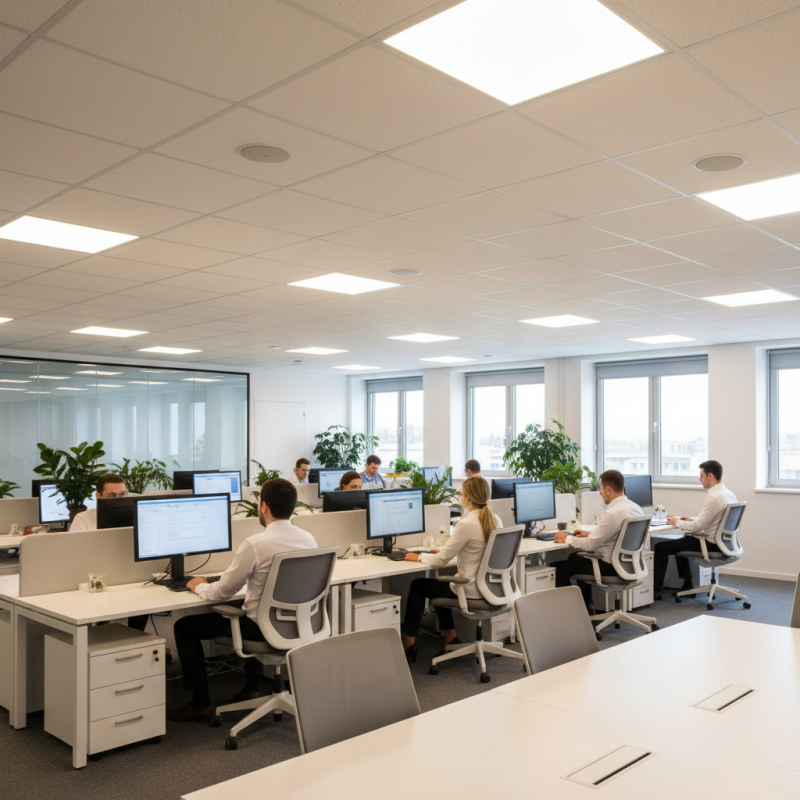
How to Choose Recessed LED Lighting for Your Office?

Understanding the Benefits of Recessed LED Lighting in Offices

Recessed LED lighting offers numerous advantages for office environments. These fixtures provide a clean and modern aesthetic. They save space too, as they fit snugly into ceilings without protruding. This makes offices look more open and organized. With their ability to blend seamlessly with any décor, they contribute to a professional ambiance.

Energy efficiency is another significant benefit. Recessed LEDs consume less electricity than traditional lighting. This can lead to lower utility bills over time. Moreover, their longer lifespan means fewer replacements. However, not all recessed lighting is created equal. Poor installation can lead to uneven lighting and shadows. It's essential to consider the layout of your office carefully. The right placement can enhance productivity and comfort.

Quality of light matters as well. Opt for fixtures that provide a color temperature suitable for workspaces. Too cool or too warm can strain eyes. Test different options before making a final decision. Always prioritize effective illumination that boosts focus. Finding the right balance may take some effort, but the results can be worth it.

How to Choose Recessed LED Lighting for Your Office? - Understanding the Benefits of Recessed LED Lighting in Offices

Feature Description Benefits Considerations
Energy Efficiency LED lights consume less energy compared to traditional lighting. Lower energy bills and reduced carbon footprint. Initial installation cost can be higher.
Lifespan LEDs usually last up to 50,000 hours or more. Less frequent replacements lead to lower maintenance costs. Quality may vary by manufacturer.
Aesthetic Appeal Recessed lights provide a clean and modern appearance. Enhances the overall aesthetic of the office space. May require specific ceiling types for installation.
Light Quality Available in different color temperatures for varied moods. Better focus and productivity in the workspace. Choose the appropriate color temperature for functionality.
Adjustability Can be installed with dimmers for adjustable brightness. Customizable lighting for different tasks and times of day. Dimmers may require compatible LED options.

Evaluating Different Types of Recessed LED Fixtures Available

When choosing recessed LED fixtures for your office, consider the variety available. Different types serve distinct purposes and ambiance needs. For instance, some fixtures focus on functional lighting, while others enhance aesthetics. Adjustable LED fixtures can provide versatility. They allow changes in direction and intensity, depending on your requirements.

Additionally, think about the color temperature of the LEDs. Warmer tones may create a cozy atmosphere, ideal for break rooms. Conversely, cooler tones can stimulate focus, making them suitable for work areas. Pay attention to dimmable options, too. These can dramatically change the room's atmosphere and functionality.

Evaluate the size and shape of the fixtures. Some offices benefit from larger fixtures, while smaller spaces may require compact designs. Reflect on your office’s layout and the impact of lighting on productivity. While exploring, remember that the right choice may take trial and error. Don’t rush; observe how different fixtures affect the mood and efficiency over time.

Determining the Ideal Brightness and Color Temperature for Office Spaces

Choosing the right brightness and color temperature for recessed LED lighting can significantly impact office productivity. Ideal brightness ranges from 300 to 500 lumens per square meter. This balance creates a comfortable work environment without causing eye strain. Too much brightness can lead to discomfort, while too little may result in fatigue. Aim for a middle ground that suits your office layout.

Color temperature also plays a crucial role in setting the mood. Warmer tones, around 3000K, promote a relaxed atmosphere, beneficial for collaborative spaces. Cooler temperatures, reaching up to 5000K, enhance alertness and focus in task-oriented areas. Experiment with different settings to find what feels best for you and your team. Each person's sensitivity varies; some may even find high cool temperatures harsh.

Taking time to evaluate these aspects is essential. You may need to adjust lighting over time as team dynamics evolve. Periodically seek feedback from colleagues about their lighting experience. If they seem uncomfortable, it might be the lighting. Small tweaks can lead to noticeable improvements. Each office has its unique characteristics, and flexible adjustments will allow the best alignment with individual and collective preferences.

Assessing Installation Requirements and Costs for Recessed Lighting

When selecting recessed LED lighting for your office, understanding installation requirements is crucial. Assess the ceiling type. For instance, a drop ceiling may need a different approach than a solid ceiling. Ceiling height also matters. Low ceilings may require more compact fixtures to prevent a cramped feel. Be mindful of existing overhead structures like ductwork. These elements can impact where lights can be installed.

Next, consider the electrical setup. Consult with an electrician if you're unsure about wiring. New circuits might be necessary, especially for larger spaces. This can increase costs significantly. You should also factor in the cost of labor. Installation by a professional may seem expensive, but mistakes can lead to higher expenses in the long run. It’s important to weigh these options carefully. Sometimes, a DIY approach is tempting but can lead to oversights.

Don’t forget about the aesthetic and functional aspects. Choose fixtures that align with your office design. The wrong style can detract from the overall vibe, making a space feel less inviting. Think about brightness levels too. Too bright can lead to discomfort, while too dim may hinder productivity. Balancing these elements needs careful thought and planning.

Exploring Design Considerations for Optimal Light Distribution in Offices

When selecting recessed LED lighting for an office, design considerations are crucial. Optimal light distribution enhances productivity and well-being. Research from the Illuminating Engineering Society shows that proper lighting increases productivity by up to 20%. Thus, the layout of lights matters greatly.

Tips for effective lighting include focusing on the color temperature. A range of 3500K to 4000K offers a neutral light that reduces eye strain. It also mimics natural daylight, beneficial for maintaining circadian rhythms. Pay attention to the spacing of fixtures. Improper distance can lead to dark spots. This can negatively impact focus and comfort.

Another aspect is the beam angle of the lights. Wider angles distribute light more evenly across workspaces. However, a narrow beam can create hotspots and harsh shadows. Adjusting the heights at which lights are installed is also important. Too low or too high can disrupt the desired ambiance. Many choices can make the process complex, and sometimes overwhelming. Ignoring individual preferences may lead to dissatisfaction. Planning ahead is essential for the best results.

Optimal Light Distribution in Offices: LED Lighting Choices

FAQS

: What is the purpose of the document?

: The document provides guidelines and helpful information for a specific topic.

Who can benefit from this information?

Anyone interested in the topic can benefit. Beginners and advanced users alike may find value.

Can I follow the guidelines strictly?

The guidelines are flexible. You may adapt them to suit your needs.

Are there any common mistakes people make?

Yes, many overlook the importance of detail and context. Reflection helps to avoid these errors.

How do I ensure I understand the content?

Take time to read carefully. Discuss it with others if needed.

Is there a recommended way to implement these practices?

Start small. Gradually incorporate them into your routine. Adjust as necessary to your unique situation.

What to do if something doesn't work?

Reflect on the approach. Consider why it didn't succeed. Make necessary adjustments.

Is feedback welcomed?

Absolutely. Constructive feedback can lead to better results. Share your thoughts for improvement.

How often should I revisit this information?

Regularly. Continuous learning and reflection can enhance understanding.

Can I use this information for different contexts?

Yes, it can often be adapted to various scenarios. Be innovative in your application.

Conclusion

Recessed LED lighting for office spaces offers numerous benefits, including energy efficiency, improved aesthetics, and enhanced workplace productivity. When selecting the right recessed fixtures, it is essential to evaluate the different types available and their suitability for the specific office environment. Additionally, determining the ideal brightness and color temperature is crucial, as these factors significantly influence the overall ambiance and functionality of the workspace.

Installation requirements and associated costs should also be considered when planning for recessed lighting. Understanding the design aspects that affect light distribution can help create a well-lit and inviting office that fosters creativity and focus. By approaching these elements thoughtfully, businesses can make informed decisions that enhance their work environments with recessed LED lighting.

Sienna

Sienna

Sienna is a skilled marketing professional with a deep expertise in our company’s core products and services. With a passion for innovation and detail, she plays a pivotal role in crafting insightful blog posts that not only highlight the unique features of our offerings but also provide valuable......