How to Choose Recessed LED Lighting for Your Home?

Time:2026-02-10 Author:Amelia
0%

When choosing Recessed LED Lighting for your home, it's essential to understand your specific needs. According to John Smith, a lighting design expert, "Proper lighting transforms a space." This statement emphasizes the significance of careful selection.

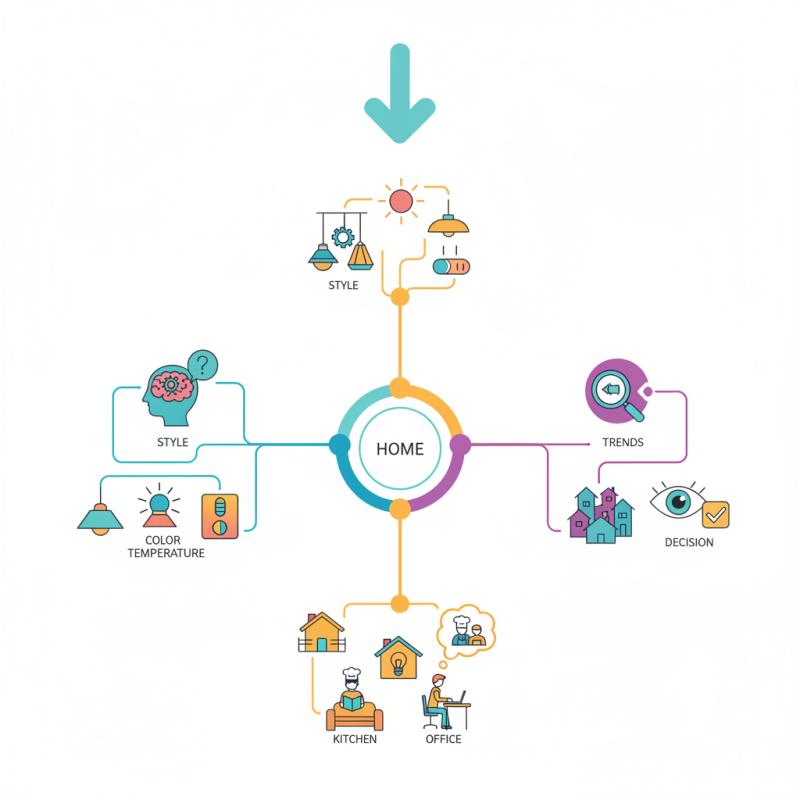
Many homeowners feel overwhelmed by the options available. The world of Recessed LED Lighting can be daunting. You might find yourself questioning the styles, brightness, or even the color temperatures. Many forget to consider how these choices impact the ambiance of the room.

It's vital to envision how lighting will enhance your space. Think about the activities in each area. Sometimes, we choose lights based solely on trends. However, what works for one home may not suit another. Take a moment to reflect on your surroundings to make a more informed decision.
How to Choose Recessed LED Lighting for Your Home?

Understanding the Basics of Recessed LED Lighting and Its Benefits

Recessed LED lighting offers a sleek and modern look for any home. This lighting style is discreet and can blend seamlessly with your ceiling. It provides direct illumination without bulky fixtures. Homeowners appreciate its minimalist design. It enhances aesthetics while saving space. But there are some factors to consider before installation.

Understanding the basics of recessed LED lighting is crucial. First, the light should match the purpose of each room. For instance, brighter lights work well in kitchens or workspaces. Softer tones create a cozy atmosphere in bedrooms. Moreover, choosing the right size and placement is essential. Miscalculated spacing can lead to uneven lighting. Take time to measure and plan carefully.

The benefits of recessed lighting extend beyond looks. LEDs are energy-efficient, reducing electricity bills. They also last longer than traditional bulbs. However, not all LED lights provide warm, appealing tones. Some may appear too stark or cold. Keep this in mind when selecting fixtures. Lighting should feel inviting and comfortable. Be thoughtful about your choices.

Recessed LED Lighting Benefits Comparison

Key Factors to Consider When Selecting Recessed LED Fixtures

Choosing recessed LED lighting for your home involves several key factors. One crucial aspect is the wattage. High wattage can brighten a space but may consume more energy. Too much light can also create glare. You want a balance. Start by calculating the square footage. This can guide how many fixtures you will need.

Another important factor is the color temperature. LED lights come in many shades, from warm yellow to cool white. Think about the mood you want to create. Warm lights are cozy, while cool lights feel modern. You might want to mix the two in different rooms.

Think about the trim and housing as well. They come in various shapes and finishes. A sleek design might look better in a contemporary room, while a more decorative trim could suit traditional spaces. Look around your home and consider the styles. Remember, choosing recessed lighting is about personal taste. Don’t rush the decision. You might find something better if you take time to reflect.

How to Choose Recessed LED Lighting for Your Home? - Key Factors to Consider When Selecting Recessed LED Fixtures

Factor Description Recommended Value
Lumens Measure of brightness. Higher lumens mean brighter light. 600-800 for general lighting
Color Temperature Measured in Kelvin (K). Affects the mood and atmosphere. 3000K for warm, 4000K for neutral
Beam Angle The angle at which light is distributed. Wider angles cover more area. 60°-100° for general use
Installation Type Types include new construction, remodel, and IC-rated. Choose based on the ceiling type
Dimming Capability Allows you to adjust light levels for different moods. Compatible dimmer switches
Energy Efficiency Measured in watts. LED fixtures are more efficient than incandescent. Under 15 watts for standard fixtures
Lifespan How long the fixture lasts before it needs replacing. 15,000-50,000 hours

Evaluating Lumens and Color Temperature for Optimal Lighting Effects

When choosing recessed LED lighting, evaluating lumens is crucial. Lumens measure the brightness of the bulbs. A standard living room might require around 1,500 to 3,000 lumens for effective lighting. Many underestimate brightness needs, ending up with dim spaces. For instance, a 6-inch recessed LED can produce about 800 lumens per bulb. Knowing how many bulbs you need can directly impact the room's mood.

Color temperature also plays a significant role in creating the right ambiance. Measured in Kelvins (K), softer tones (around 2700K to 3000K) provide a warm, inviting feel. Cooler tones (4000K to 5000K) can feel more modern but may also feel clinical. A 2021 report suggested that 80% of consumers preferred lighting above 3000K for living spaces. It’s vital to balance aesthetics and functionality. Aim for consistency across your lighting plan for better visual coherence.

Installation Techniques and Placement Strategies for Recessed Lighting

When planning recessed LED lighting, placement strategies are crucial. The average homeowner needs about 1.5 watts per square foot of space. This helps ensure adequate illumination without excessive glare. A common mistake is to space lights too far apart. Generally, a distance of 4 to 6 feet between lights works well in many areas.

Proper installation techniques can enhance the lighting effect. Using adjustable housings allows for flexibility in directing light. According to industry studies, improperly angled lights can create shadows and uneven lighting. Be mindful of ceiling heights. For ceilings under 8 feet, recessed fixtures should be positioned closer together.

Think about the room's purpose when choosing placement. For kitchens, lights should be aimed down on workspaces. In living areas, wider spacing may create a softer ambiance. Keep in mind the importance of dimmers. They can significantly affect the mood while helping to save energy. Balancing brightness and warmth can be tricky. Experimenting with placements and angles is necessary for achieving the best results.

Energy Efficiency and Cost Savings Associated with LED Technology

When considering recessed LED lighting for your home, energy efficiency stands out. Studies by the Department of Energy reveal that LED lights use at least 75% less energy than incandescent bulbs. This significant reduction directly correlates to lower electricity bills. Over time, the cost savings can be substantial.

Tips: Select fixtures with Energy Star ratings. This ensures optimal energy savings. Compare wattage usage and lumens produced for better decisions.

The average household spends around $400 on lighting annually. Switching to LED can reduce that number significantly. LEDs last up to 25,000 hours, making them a long-term investment. Yet, initial costs can be higher than traditional options, which might cause some hesitation. Balancing upfront costs with long-term savings is crucial.

Tips: Evaluate your home’s lighting needs before purchasing. Consider the total cost of ownership beyond the initial expense. This includes energy savings and longevity.

FAQS

: What is the main focus of the articles?

: The articles discuss various aspects of health and wellness.

Are there any recommended diets mentioned?

Yes, the articles suggest balanced diets with whole foods like fruits and vegetables.

How important is regular exercise?

Regular exercise is crucial for maintaining physical and mental health.

What can stress impact?

Stress can negatively affect both physical and emotional well-being.

Do the articles offer tips for better sleep?

Yes, improving sleep hygiene can significantly enhance sleep quality.

Are there discussions on mental health?

Mental health is a critical topic, emphasizing self-care and mindfulness.

How can one manage time effectively?

Time management includes prioritizing tasks and setting realistic goals.

What role does hydration play in health?

Staying hydrated is vital for energy and concentration levels.

Is perfection achievable in health routines?

Perfection is not realistic; progress and consistency are more important.

Why is reflection important in personal growth?

Reflection helps identify areas for improvement and fosters self-awareness.

Conclusion

Recessed LED Lighting has become a popular choice for homeowners seeking stylish and efficient illumination solutions. Understanding the fundamentals of this lighting type, including its numerous benefits such as energy efficiency and longevity, is crucial. When selecting recessed LED fixtures, it’s essential to consider key factors like the design, size of the space, and the intended purpose of the lighting.

Evaluating lumens and color temperature is equally important to achieve optimal lighting effects tailored to specific areas within the home. Proper installation techniques and thoughtful placement strategies can enhance both aesthetics and functionality. Ultimately, choosing recessed LED lighting not only provides a modern look but also offers significant cost savings over time due to its energy-efficient nature.

Amelia

Amelia

Amelia is a seasoned marketing professional with a wealth of expertise in our company’s core offerings. With an unwavering passion for driving growth and innovation, she plays a pivotal role in shaping our marketing strategies and enhancing brand visibility. A key aspect of her responsibilities......