How to Choose Long Lifespan Lighting for Your Business?

Time:2026-06-16 Author:Sophia
0%

Choosing the right lighting for your business can significantly impact your operations. Long lifespan lighting solutions are becoming increasingly popular in various industries. According to the U.S. Department of Energy, LED lighting, a key component of long lifespan technology, can last up to 25 times longer than traditional incandescent bulbs. This can lead to substantial cost savings over time.

Expert lighting designer, Dr. Jane Thompson, emphasizes the importance of longevity in lighting solutions. She states, “Investing in long lifespan lighting not only boosts efficiency but also enhances the overall ambiance of your space.” Businesses must consider not just the initial cost but also the longevity and maintenance of the lighting systems they choose.

While the benefits are clear, some may overlook the specifics. Factors such as color temperature, lumens, and installation methods can affect performance. A focus on long lifespan lighting is pivotal, yet one must also reflect on the unique needs of their environment. Each business is distinct and deserves tailored lighting solutions that strike a balance between functionality and aesthetic appeal. Making informed decisions today can result in significant benefits tomorrow.
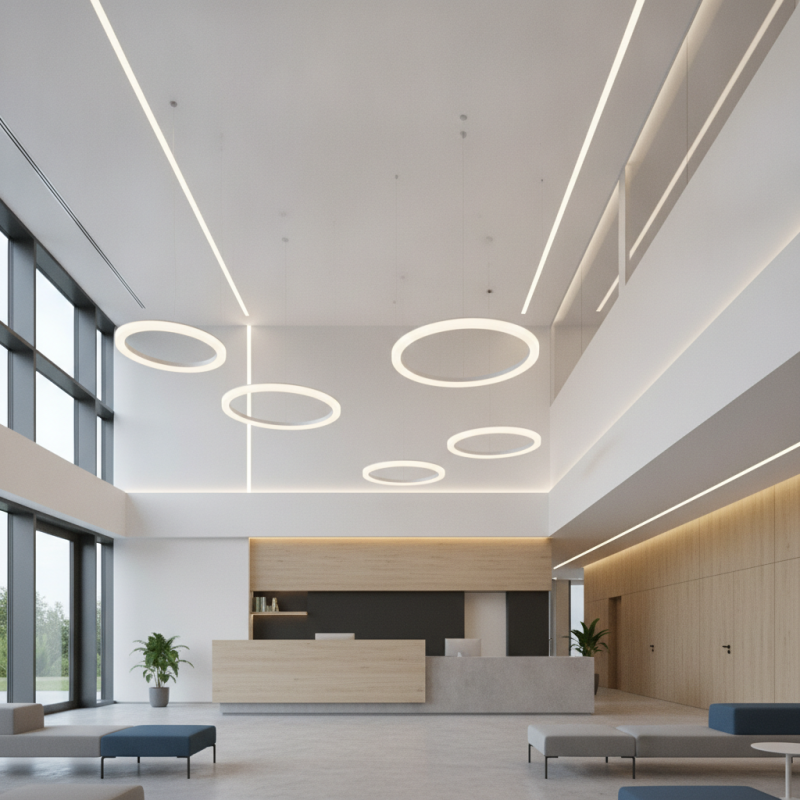
How to Choose Long Lifespan Lighting for Your Business?

Understanding the Importance of Long Lifespan Lighting for Businesses

Long lifespan lighting is essential for businesses. It significantly impacts operational costs and overall efficiency. According to the U.S. Department of Energy, replacing traditional lighting with LED solutions can reduce energy consumption by up to 75%. This transition is crucial for enhancing sustainability efforts.

The longevity of lighting fixtures also affects maintenance schedules. Frequent replacements can disrupt business operations. Data indicates that high-quality LED lights can last up to 25,000 hours, whereas traditional incandescent bulbs may only last about 1,000 hours. This longer lifespan leads to lower maintenance costs and fewer disruptions.

Using long-lasting lighting can also influence employee productivity. Well-lit environments improve focus and morale. A report from the Lighting Research Center found that good lighting conditions in workplaces increased productivity by 20%. Quality lighting fosters a positive atmosphere, ultimately enhancing business performance. However, not all lighting solutions may suit every environment. Each business should assess its unique needs before making decisions.

Evaluating Different Types of Long Lifespan Lighting Options

When evaluating long lifespan lighting options for your business, it is crucial to explore various types. LED lights have gained popularity for their energy efficiency and longevity. They can last up to 25,000 hours or more. Fluorescent lights are another option, known for their affordability but might not last as long as LEDs.

Consider the specific needs of your space when choosing lighting. Assess brightness, color temperature, and application. For example, retail spaces often benefit from bright, vibrant lighting. In contrast, offices may require softer lighting for a comfortable work environment.

Tips: Think about maintenance and replacement costs. LEDs may have a higher upfront cost but will save more in the long run. Don't forget to factor in your local climate. High humidity may affect some light types more than others. Reflect on how lighting affects your business's atmosphere. A bad choice can impact customer experiences significantly.

Assessing Energy Efficiency and Cost Benefits of Long Lifespan Lighting

When selecting long lifespan lighting for your business, evaluating energy efficiency and cost benefits is crucial. Longer-lasting lights often consume less power, which helps lower your energy bills. For instance, LED fixtures can last up to 25,000 hours. This longevity significantly reduces the frequency of replacements and maintenance costs.

Consider the initial investment against these benefits. While upfront costs may be higher, the savings over time can be substantial. It's essential to conduct a proper cost analysis. Don't just focus on the price tag; think about the long-term return on investment. Sometimes, cheaper options lead to more frequent replacements and a higher cumulative cost.

There are also environmental implications to consider. Energy-efficient lighting contributes to a reduced carbon footprint. Choosing the right lighting can enhance your brand's image. However, the energy market continues to evolve, and new technologies emerge constantly. Regularly reassessing your lighting choices can help stay updated and ensure efficiency. Balance your immediate needs with future advancements.

Key Factors to Consider When Selecting Long Lifespan Lighting

When selecting long lifespan lighting for your business, several key factors demand attention. The type of lighting technology is crucial. LED lights often outperform traditional options, with lifespans reaching 25,000 to 50,000 hours. This significantly reduces the frequency of replacements, saving both time and money. Moreover, according to a report by the Department of Energy, LEDs can lead to energy savings of up to 75%. This reduction impacts not only your operating budget but also your environmental footprint.

Another vital aspect is light quality. The Color Rendering Index (CRI) measures how well light displays colors. A higher CRI leads to better visibility and enhances customer experience. Aim for lighting with a CRI above 80 for most commercial settings. However, light intensity must also be appropriate. Too bright or too dim lighting can deter customers or impact employee productivity. Evaluating specific needs and adjusting accordingly is essential for creating an optimal environment.

Lastly, consider the installation and maintenance aspects of long lifespan lighting. While initial costs may be higher, the long-term benefits often justify the expense. Poor installation can lead to higher maintenance costs and failures. Research shows that poorly maintained lighting can reduce energy efficiency by up to 30%. Addressing these factors ahead of time can prevent unexpected issues and ensure reliable performance for years to come.

Long Lifespan Lighting Options for Businesses

Ensuring Proper Installation and Maintenance of Long Lifespan Lighting

Proper installation and maintenance of long lifespan lighting are crucial for any business. Ensuring that lighting fixtures are installed correctly maximizes their efficiency. Take the time to follow the manufacturer’s guidelines. Engage qualified professionals who understand electrical systems. They will ensure that all safety protocols are observed. This can prevent future failures or hazards in the workspace.

Regular maintenance is just as important. Schedule routine inspections to check for issues like flickering lights or reduced brightness. These signs can indicate a need for prompt attention. Keep a maintenance log to track when each fixture is examined. This helps identify patterns or issues over time.

**Tips:**
Use LED fixtures where possible. They often require less maintenance than traditional options. Check the wiring annually. Faulty wiring can lead to inefficiencies and potential hazards. Creating a lighting maintenance checklist can keep your business safe.

How to Choose Long Lifespan Lighting for Your Business?

Lighting Type Lifespan (Hours) Energy Efficiency Installation Cost ($) Maintenance Frequency (Years)
LED 25,000 - 50,000 Very High 100 - 300 5 - 10
Fluorescent 7,000 - 15,000 Moderate 50 - 150 2 - 3
Incandescent 1,000 - 2,000 Low 10 - 50 0.5 - 1
Halogen 2,000 - 4,000 Low to Moderate 15 - 30 1 - 2

FAQS

: Why is long lifespan lighting important for businesses?

: It reduces operational costs and increases efficiency.

How much energy can LED lighting save compared to traditional lighting?

LED solutions can cut energy consumption by up to 75%.

What is the lifespan difference between LED lights and incandescent bulbs?

LED lights can last up to 25,000 hours, while incandescent bulbs last about 1,000 hours.

How does lighting affect employee productivity?

Good lighting can boost productivity by 20%, enhancing focus and morale.

What should businesses consider when choosing lighting options?

They must assess technology, light quality, and installation factors.

What is the ideal Color Rendering Index (CRI) for commercial lighting?

Aim for a CRI above 80 to improve visibility and customer experience.

Can poor installation impact lighting performance?

Yes, it can lead to higher maintenance costs and decreased energy efficiency.

Why is light intensity important in work environments?

Improper brightness can either deter customers or lower employee productivity.

Are initial costs for long lifespan lighting worth it?

Yes, long-term savings often outweigh the upfront expenses.

How should businesses address maintenance for lighting fixtures?

Regular evaluations can prevent unexpected failures and ensure reliable operation.

Conclusion

In today's competitive business environment, selecting the right Long Lifespan Lighting is crucial for enhancing operational efficiency and reducing costs. This article emphasizes the importance of such lighting solutions, detailing various types available, including LED and fluorescent options. Each type varies in terms of energy efficiency and longevity, allowing businesses to make informed decisions based on their specific needs.

Additionally, the article highlights the cost benefits associated with Long Lifespan Lighting, such as lower energy consumption and reduced replacement frequency. Key factors to consider when choosing lighting include brightness, color temperature, and compatibility with existing systems. Finally, proper installation and maintenance are essential to ensure the longevity and performance of the lighting systems, ultimately positively impacting the overall business environment.

Sophia

Sophia

Sophia is a dedicated marketing professional with an exceptional depth of knowledge about her company's products and services. With a keen understanding of market trends and customer needs, she crafts insightful blog posts that not only inform but also engage readers, enriching the company’s online......