Choosing the right lighting for your home is crucial. Long Life LED Lighting is a popular choice due to its durability and efficiency. According to a report by the Department of Energy, LED bulbs can last up to 25,000 hours, significantly longer than traditional incandescent bulbs.
Expert lighting designer Mark Johnson states, "Investing in Long Life LED Lighting is not just about savings; it's about quality of life." This highlights the importance of selecting the right lighting for your home environment. Many homeowners underestimate the profound impact of lighting on mood and productivity.
While Long Life LED Lighting can be more expensive upfront, it often results in significant cost savings over time. Yet, some still struggle to make the switch. They question the initial investment and may not see the full benefits. It is essential to weigh these factors carefully. Lighting choices should not be made lightly; every detail counts.
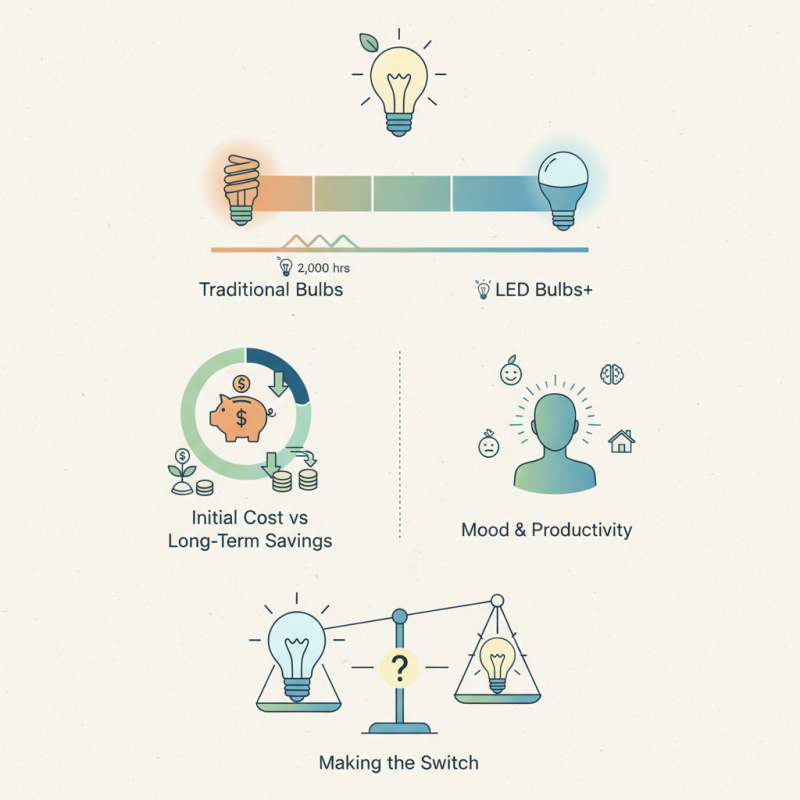
Understanding the Basics of LED Lighting and Longevity
When choosing LED lighting, understanding longevity is essential.
LED lights are known for their impressive lifespan. Typically, they last up to 25,000 hours or more.
This longevity means fewer replacements, which can save both time and money. However, not all LED products are created equal.
Many factors influence an LED's lifespan. Heat management is crucial.
A well-designed heat sink can prevent overheating and extend life. Look for lights with proper cooling features.
Additionally, the quality of materials used matters. Poor construction can lead to early failure.
Sometimes, cheaper options may seem appealing but could cost more in the long run.
Consider the color temperature as well. Some people prefer warm light for a cozy atmosphere, while others like cool tones.
Each type affects mood differently. Choosing the right color can enhance your space but don't overlook the potential drawbacks of
overly bright lighting. It can lead to discomfort. Overall, selecting LED lighting requires careful thought and consideration.
Key Factors Affecting LED Lifespan in Residential Settings
Choosing long-lasting LED lighting for your home requires careful consideration of key factors that affect their lifespan. One major aspect is heat management. LEDs generate heat, and if not dissipated properly, it can shorten their life. Look for fixtures designed with good heat sinks. These help maintain a cool temperature, extending the LED's operational life.
Another factor is the quality of the components. Cheaper LEDs often use inferior materials, leading to quicker failure. High-quality drivers and chips can make a significant difference. Check the specifications before making a decision. It's essential to balance cost with quality.
Additionally, the environment in which you install the lights matters. High humidity or fluctuating temperatures can affect performance. For example, basements or other damp areas might require specific fixtures. Consider your home's unique conditions. Over time, you may find that adjustments and careful selection lead to better illumination and longevity.
Evaluating Energy Efficiency and Cost-Effectiveness of LEDs
When evaluating the energy efficiency of LED lighting, it's crucial to consider wattage. Traditional incandescent bulbs often consume 60 watts, while an equivalent LED uses only about 8-10 watts. According to the U.S. Department of Energy, switching to LED can result in up to 75% energy savings. This can translate into significant savings on monthly electricity bills.
Cost-effectiveness is another important factor. While the initial price of LED bulbs can be higher than incandescent options, their lifespan makes them a smart choice. LEDs can last up to 25,000 hours or more, compared to about 1,000 hours for incandescents. The lifetime energy cost of an LED can be less than half that of traditional bulbs. However, some consumers may hesitate due to the upfront investment.
It's essential to remember that not all LEDs are created equal. Some may produce less light than advertised or fail to maintain brightness over time. Checking for certifications, like those from the Energy Star program, can help ensure quality performance. Always weigh initial costs against long-term savings for the best decision.
How to Choose Long Life LED Lighting for Your Home? - Evaluating Energy Efficiency and Cost-Effectiveness of LEDs
| Light Type |
Lifespan (Hours) |
Wattage (W) |
Lumens (Brightness) |
Energy Cost per Year ($) |
Estimated Total Cost ($) |
| Standard LED Bulb |
25,000 |
10 |
800 |
12 |
60 |
| Dimmable LED Bulb |
25,000 |
8 |
800 |
9.6 |
48 |
| Smart LED Bulb |
25,000 |
9 |
800 |
10.8 |
54 |
| LED Flood Light |
30,000 |
20 |
2,000 |
24 |
120 |
| LED Tube Light |
30,000 |
18 |
2,200 |
21.6 |
108 |
Choosing the Right Color Temperature for Different Rooms
Choosing the right color temperature for different rooms can significantly enhance your home's atmosphere. Bedrooms, for instance, benefit from warmer tones. A soft yellow or warm white can create a cozy environment, promoting relaxation. This can help signal your body that it's time to unwind.
In contrast, kitchens and workspaces thrive under cooler white light. A daylight-like hue boosts focus and productivity. These brighter, cooler tones can enhance visibility, making tasks easier. However, too much brightness can be harsh. Adjusting lighting to not overwhelm is vital.
Living areas might blend both styles. Soft whites can cozy up the space, while cooler light can highlight art or decor. Striking a balance can be tricky. You may find certain hues clash with your furniture or wall colors. Experimenting with different bulbs can lead to unexpected results. Sometimes, it’s about feeling comfortable in your space, rather than sticking strictly to recommendations.
Considerations for Installation and Maintenance of LED Lights
When considering LED lights for your home, installation is crucial. Ensure fixtures are suitable for the bulbs selected. According to the U.S. Department of Energy, improper installation can reduce energy efficiency by 30%. This loss translates into higher energy bills and diminished lifespan for your lights.
Maintenance is another important factor. LED lights are known for longevity, often lasting up to 25,000 hours. However, the quality of installation plays a huge role. Regularly check connections and clean fixtures to avoid dust accumulation. A dirty light can reduce brightness by about 70%, a trivial mistake leading to significant consequences.
The temperature around your LEDs also matters. They perform best in a cooler environment. Excess heat can shorten lifespan and efficacy. Many homeowners overlook this detail, choosing aesthetics over functionality. Incorrect placement can result in fluctuations in brightness and higher replacement costs. It's vital to remain mindful of installation and maintenance for optimal LED performance.
FAQS
: The content aims to provide essential information on various topics of interest.
Anyone seeking knowledge or guidance can find the content useful.
Updates are made regularly, but timelines may vary.
The information is generally reliable. However, critical thinking is encouraged.
Topics include lifestyle tips, health advice, and general knowledge.
Please report any discrepancies. Feedback helps improve the content.
Most content is appropriate, but some topics may require parental guidance.
Sharing is encouraged if done respectfully. Always credit the source.
Visuals are included where relevant, enhancing understanding.
Access is usually online. Check for any specific access guidelines.
Conclusion
When selecting Long Life LED Lighting for your home, it's essential to start with a fundamental understanding of how LED lights work and their longevity compared to traditional lighting options. Key factors that affect the lifespan of LEDs include heat management, usage patterns, and the quality of the fixtures used. By evaluating energy efficiency and cost-effectiveness, homeowners can make informed decisions that lead to long-term savings on energy bills.
Moreover, choosing the right color temperature is crucial for creating the desired atmosphere in different rooms. Warmer tones may be preferable for living spaces, while cooler tones are often recommended for work areas. Lastly, considerations for proper installation and ongoing maintenance play a significant role in maximizing the performance and lifespan of Long Life LED Lighting. By keeping these factors in mind, homeowners can enhance their living spaces while enjoying the benefits of efficient and durable lighting solutions.

 Cool Light