Choosing the right Office LED Lighting can significantly affect productivity and mood. The lighting in your workspace sets the tone for your daily activities. Bright, efficient lighting can enhance focus and reduce eye strain.
When selecting Office LED Lighting, consider the color temperature. Cooler lights promote alertness, while warmer tones create a relaxed atmosphere. There's no one-size-fits-all solution. Each office has unique needs, and personal preferences vary widely.
Additionally, think about the layout and design of your office. Different areas may require different light intensities. Shadows and glare can distract workers, so requiring proper placement is crucial. Remember, finding the ideal lighting might take some trial and error. Don't hesitate to reassess your choices. Lighting can make or break your work environment.
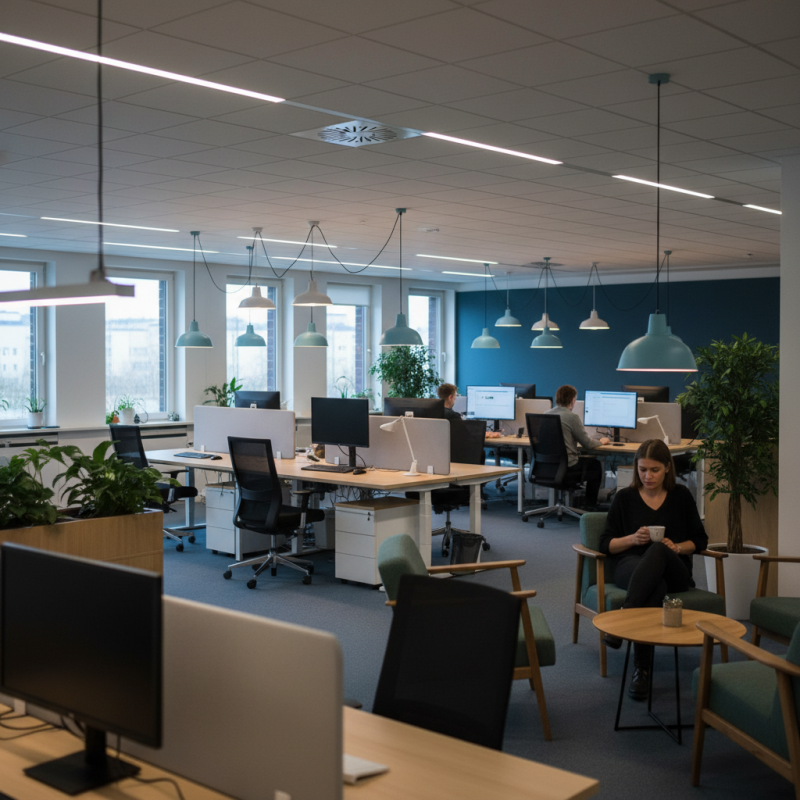
When selecting LED office lighting, several factors demand attention. One key aspect is the color temperature. A study by the Lighting Research Center indicates that a cooler light, around 4000K, enhances concentration and productivity. This cooler light mimics daylight, reducing fatigue and improving alertness.
Another critical factor is lumen output. Reports suggest that offices should aim for around 300-500 lumens per square meter. Insufficient brightness can lead to eye strain and decreased work efficiency. Moreover, over-illumination can waste energy and disrupt the natural ambiance of an office, resulting in unnecessary discomfort.
Lighting control options also play a vital role. Dimming capabilities allow adaptation to different tasks and moods. Research indicates that 69% of employees prefer adjustable lighting for their spaces. However, many offices overlook this potential benefit. The right balance of lighting can create an environment that fosters both comfort and productivity, ensuring employees feel motivated and focused. Lighting choices can drastically shape the work environment, yet many still settle for standard solutions, missing opportunities for enhancement.
| Factor | Description | Importance |
|---|---|---|
| Brightness Level | Measured in lumens, essential for clear visibility. | High |
| Color Temperature | Ranges from warm to cool light, affects mood and productivity. | Medium |
| Energy Efficiency | Lower energy consumption to reduce electricity bills. | High |
| Longevity | Lifespan of the LED light, impacts replacement frequency. | High |
| Dimming Capability | Ability to adjust brightness for different tasks. | Medium |
| Lighting Design | Aesthetic aspects and layout for optimal illumination. | Medium |
: This product enhances daily routines. It aims to provide convenience and efficiency.
Follow the user guide for best practices. Experiment with different techniques to find what works best.
The product is made from common materials. These materials ensure durability and functionality.
Yes, regular cleaning is needed. Neglect may lead to reduced performance over time.
While designed for general use, some may find it challenging. It’s important to assess personal needs.
Users report occasional difficulties with setup. Reflecting on instructions may help solve these problems.
Customer support can provide assistance. Online forums also offer shared experiences and solutions.
Generally, it’s safe when used correctly. However, misuse may lead to unintended results.
Consider reaching out for support. Feedback may lead to improved experiences. Re-evaluating expectations is crucial.
When selecting the best Office LED Lighting, several factors should be taken into account to create an optimal work environment. Understanding the different types of LED office lighting is essential, as each type may suit varying tasks and office designs. Color temperature, for instance, significantly impacts both productivity and mood, influencing employee performance and well-being.
Additionally, energy efficiency ratings play a crucial role in making sustainable lighting choices, ensuring that the office not only benefits from reduced energy costs but also contributes to environmental conservation. Lastly, a thoughtful lighting design enhances office layout and functionality, promoting better space utilization and employee satisfaction. By carefully considering these elements, one can effectively choose the right Office LED Lighting that meets both aesthetic and functional needs.

 Cool Light