Choosing the right LED downlight fixtures for your home can significantly impact your space's ambiance and energy efficiency. According to a recent report by the National Electrical Manufacturers Association, LED downlights can save up to 50% more energy compared to traditional bulbs. This notable reduction not only lowers energy bills but also contributes to a more sustainable future.
Expert lighting designer Mark O’Donnell emphasizes the importance of quality when selecting these fixtures. He states, "Choosing the right LED downlight can transform your home into a modern haven." However, the market is flooded with options, making decisions challenging. It's crucial to consider fixture design, brightness, and color temperature to match your personal style and functional needs.
With so many choices, it's easy to feel overwhelmed. Many people might overlook key details, such as lumen output and beam angle, which can significantly affect lighting quality. Reflecting on these factors can lead to a more cohesive and inviting home environment. Ultimately, choosing the best LED downlight fixtures requires careful thought and consideration.
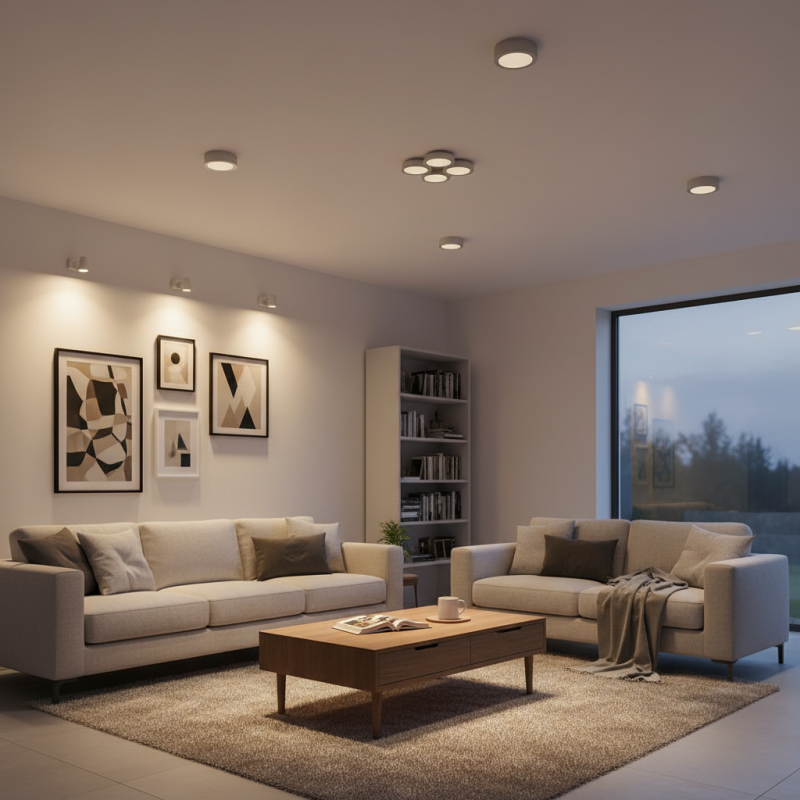
Understanding LED Downlight Fixtures: Key Features and Benefits
LED downlight fixtures are becoming essential for modern homes. They offer superior lighting while being energy-efficient. According to industry reports, LED lights use up to 80% less energy than traditional incandescent bulbs. This efficiency means lower electricity bills and reduced carbon footprints.
When choosing fixtures, consider key features. Lumens measure brightness. A higher lumen count equals brighter light. Color temperature impacts ambiance; warmer temperatures create a cozy feel, while cooler tones are ideal for task-oriented spaces. Look for fixtures with adjustable settings for flexibility.
Dimming capabilities can enhance the mood and save energy. Tips: Assess the height of your ceilings. Higher ceilings may need more powerful fixtures. Think about the layout of rooms. Uniform lighting prevents shadows and uneven light distribution. This is particularly important in kitchens and living areas.
Reflecting on your choices can lead to better outcomes. Not every fixture will meet your needs. Research and trial different options to find what truly fits your home.
Assessing the Size and Placement for Optimal Lighting Effect
Choosing the right size and placement for LED downlight fixtures can greatly affect the overall ambiance of your home. The size of the fixture must correspond to the height of your ceiling. For instance, high ceilings require larger fixtures to provide adequate light. When the fixtures are too small, the lighting can feel sparse and ineffective. Conversely, larger fixtures in a low ceiling space can feel overwhelming and clunky. Placement is equally crucial for optimal effect. Consider functionality; areas like kitchens and reading nooks benefit from focused lighting. Arrange fixtures evenly, avoiding dark spots. You may find that your initial layout needs adjustments after testing it out. Ensure that the fixtures are installed at appropriate intervals. Too close together can lead to harsh lighting; too far apart results in insufficient illumination. Shadow play is important, but not too much. Color temperature also plays a role here. Warmer tones can create a cozy feel, while cooler tones provide a more refreshing atmosphere. Experiment with different temperatures before committing to a fixture. Sometimes, what looks good on paper doesn't translate well in practice. Be prepared to revise your choices based on the actual look in your space.
Evaluating Lumens and Wattage for Energy Efficiency
Choosing the right LED downlight fixtures for your home involves careful consideration of lumens and wattage. Lumens measure brightness, while wattage indicates energy consumption. An optimal balance ensures effective lighting with minimal energy use. According to the U.S. Department of Energy, LED lights use at least 75% less energy than incandescent ones, significantly reducing electricity bills.
When selecting your fixtures, consider the lumens required for each room. For example, living rooms typically need around 1,500 to 3,000 lumens for adequate lighting. Small spaces, like bathrooms, often require 500 to 1,000 lumens. Overhead lighting can be harsh, making lower lumens more appealing in cozy areas.
Tip: Always check the lumens per watt ratio of your chosen fixture. Higher ratios indicate better energy efficiency. Additionally, don’t underestimate the importance of color temperature. Warmer tones promote relaxation, while cooler tones enhance focus. Each space has unique needs that color and brightness can address effectively. Pay attention to these details. It's worth it to evaluate before installation.
Choosing Color Temperature and Dimming Options for Your Space
When it comes to LED downlight fixtures, color temperature plays a crucial role in setting the right atmosphere. The American Lighting Association (ALA) indicates that color temperature affects mood and functionality. Measurements are in Kelvin (K), with lower values offering warmer light (3000K) and higher values providing cooler light (5000K). For living spaces, a warmer tone promotes relaxation, while cooler tones work well in areas needing focus, such as kitchens and home offices.
Dimming options are equally important. Research by the Lighting Research Center shows that adjustable lighting can enhance a room's versatility. Homeowners should consider dimmable LED fixtures to create different ambiances. However, not all dimmers work effectively with LED downlights, leading to flickering or reduced lifespan. This mismatch highlights the need for caution. Choosing compatible fixtures and dimmers ensures optimal performance and energy savings.
Selecting the right color temperature and dimming option may require trial and error. Homeowners might find that their initial choice does not always align with their preferences as the space evolves. Taking time to experiment with different settings is essential. It is natural to face challenges in making the right decision for your home lighting.
Comparing Brands and Price Points for Best Value in LED Downlights
When selecting LED downlight fixtures, comparing brands and price points is crucial. Recent industry reports indicate that the average cost of LED downlights can range from $15 to $50 per fixture. However, this price can vary significantly based on features and brand reputation. Affordable options may lack advanced functionalities. Higher-priced fixtures might offer longer lifespans and better energy efficiency. It's important to evaluate the lumen output of the products you consider. For example, a typical LED downlight provides between 600 to 1000 lumens. Options on the lower end can be suitable for less demanding spaces. Yet, for areas requiring brighter illumination, higher lumen outputs are better. Quality can often come with a hefty price tag. The cheapest fixtures may save money upfront, but they may require frequent replacements. This results in higher long-term costs. Take time to read user reviews and professional assessments. A thorough evaluation can reveal the true value of each lighting option.
How to Choose the Best LED Downlight Fixtures for Your Home? - Comparing Brands and Price Points for Best Value in LED Downlights
| Feature | Dimension | Price Range | Lifetime (Hours) | Lumens | Energy Efficiency (Watts) |
| Standard Model | 4 inches | $15 - $25 | 25,000 | 800 | 10 |
| Premium Model | 6 inches | $30 - $50 | 50,000 | 1200 | 12 |
| Smart Model | 5 inches | $40 - $70 | 30,000 | 1000 | 15 |
| Eco Model | 4 inches | $10 - $20 | 20,000 | 700 | 9 |
| Adjustable Model | 6 inches | $25 - $40 | 40,000 | 900 | 11 |
Conclusion
When selecting the best LED Downlight Fixtures for your home, it is essential to understand their key features and benefits. These fixtures offer efficient lighting solutions that can enhance the ambiance of any space. Consider the size and placement of the downlights to achieve optimal lighting effects that suit your room’s layout. Additionally, evaluating lumens and wattage ensures that you select energy-efficient options that keep electricity costs down while providing adequate illumination. Another crucial aspect is choosing the right color temperature and dimming options to create the desired atmosphere in your home. A warmer hue can make a space feel cozy, while cooler tones can provide a more modern, clean look. Finally, comparing various brands and price points will help you find the best value in LED Downlight Fixtures, allowing you to make an informed decision that balances quality and affordability.

 Cool Light