Choosing the right Commercial Space Lighting is crucial for any business. It affects both aesthetics and functionality. Well-designed lighting enhances the atmosphere, making spaces more welcoming. Moreover, it can significantly impact mood and productivity.
Different types of lighting serve various purposes. Some fixtures enhance security, while others highlight products. It’s essential to consider the needs of your space. For instance, a retail store may require bright, vibrant lights to draw attention. In contrast, an office might benefit from softer, more focused lighting.
However, it can be challenging to find the right balance. Overly bright lighting can feel harsh, while dim lighting may create an uninspiring environment. Reflecting on these aspects is essential. Users often overlook the relationship between light and space. Careful consideration will lead to a more effective design. Ultimately, the goal is to create a space that feels right for your business and its customers.
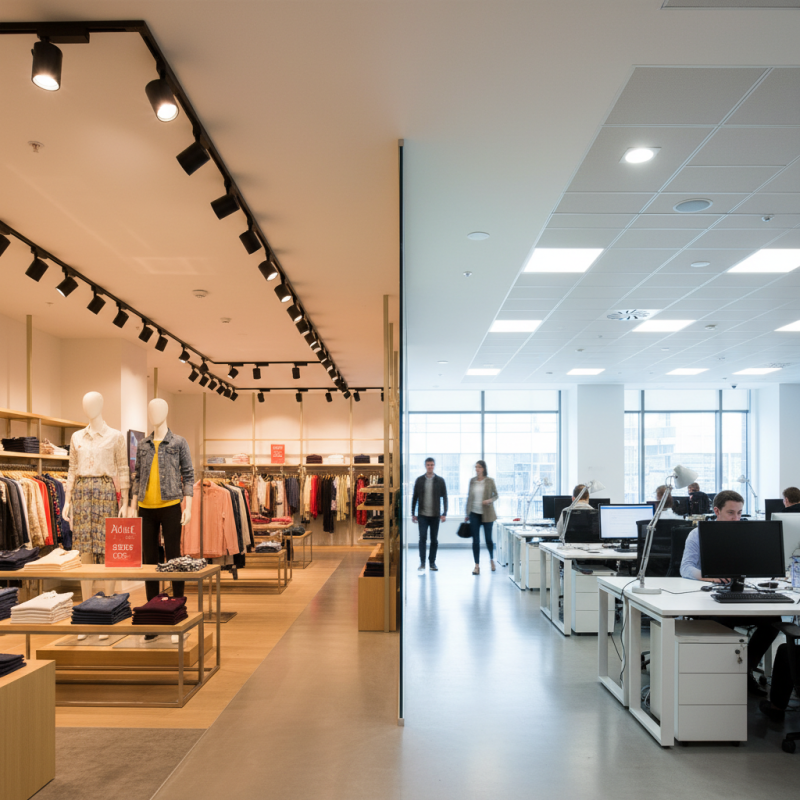
Lighting plays a crucial role in commercial spaces. It influences mood, productivity, and even sales. The right lighting can create an inviting atmosphere. Poor lighting, however, can lead to discomfort. It can make spaces feel unwelcoming. Businesses often overlook this aspect. They may focus on decor or layout but neglect lighting needs.
Consider the purpose of your space. Is it a retail shop, office, or restaurant? Each space has different lighting requirements. For instance, a retail store benefits from bright, focused lights. This highlights products effectively. In contrast, a restaurant needs softer, warmer lights. These create a cozy dining experience.
**Tips:** Use dimmable lights for flexibility. This allows you to adjust the brightness according to different times of day. Also, consider energy-efficient options. They reduce costs in the long run. Finally, test various lighting setups before deciding. What looks good in theory may not work in practice. Don't rush this process; lighting impacts your business significantly.
| Aspect | Consideration | Impact on Space |
|---|---|---|
| Type of Lighting | LED, Fluorescent, Incandescent | Energy efficiency and longevity |
| Luminance Level | Foot-candles or Lux | Visibility and comfort for occupants |
| Color Temperature | Warm, Neutral, Cool | Affects mood and productivity |
| Fixture Design | Recessed, Surface-mounted, Pendant | Aesthetic appeal and functionality |
| Control Systems | Dimmers, Smart Controls, Sensors | Flexibility and energy savings |
| Maintenance | Ease of replacement and cleaning | Long-term cost efficiency |
| Compliance | Local building codes and standards | Ensure safety and legal adherence |
Choosing the right commercial lighting solution is essential. The type of lighting can greatly influence ambiance and productivity. Different spaces require different solutions. For offices, LED lights provide energy efficiency. They last longer and consume less power. However, not all LED lights have the same quality. Some can produce harsh light, leading to discomfort.
Retail spaces often benefit from accent lighting. This draws attention to displays and enhances the shopping experience. Soft, warm lighting can create a welcoming vibe. But beware, too warm can make products appear unappealing. Understanding the target audience can guide light selection.
For warehouses, practicality is key. High-bay lights are efficient for large areas. They illuminate wide spaces effectively. Yet, these lights can sometimes be too bright, causing glare. Balancing brightness and comfort is a challenge. Think about the functionality first, but also the feel of the space.
When selecting lighting solutions for commercial spaces, several key factors come into play. The type of activity conducted in the space should drive your choice of light. For instance, bright, focused lighting works well in areas requiring detail, like workshops. Conversely, softer lighting creates a warm atmosphere in waiting areas or lounges.
The color temperature of the bulbs also matters. Warmer tones evoke comfort, while cooler temperatures enhance alertness and productivity. Think about the mood you want to establish. It's essential to balance functionality with aesthetics. Too cold or too warm can feel off-putting. Don’t forget about energy efficiency; LED options often save on costs over time.
Consider the layout and purpose of the space. Some areas may need multiple light sources to create an even distribution. Overly bright spots next to dim areas can be jarring. Aim for harmony in lighting levels across the room. A poorly lit corner can impact both safety and ambiance. Reflect on these factors to achieve a well-lit, inviting environment.
This chart illustrates the energy efficiency of different lighting solutions for commercial spaces. As seen, LED and Smart Lighting options provide the best efficiency, which is an important factor when choosing lighting for commercial environments.
When assessing energy efficiency and sustainability in commercial space lighting, several factors come into play. The type of bulb you choose significantly impacts energy consumption. Look for LED options, which use less power and have a longer lifespan. However, not all LEDs are created equal. The quality varies, and sometimes lower-cost options can result in poor lighting outcomes. It's wise to consider the total cost of ownership, not just the initial purchase price.
Beyond energy use, sustainability involves material choices. Fixtures made from recycled or eco-friendly materials reduce environmental impact. It’s crucial to think about the end-of-life disposal of lighting products. Some fixtures are difficult to recycle, leading to waste issues. In your quest for sustainable solutions, balancing performance and eco-friendliness may feel challenging. You might find that what works best is not always the most obvious choice.
Reflect on the layout and purpose of your space. Lighting needs can differ significantly across areas. Over-illumination can waste energy and detract from the ambiance. Consider smart lighting systems that adjust based on the environment. Think about integrating natural light as well. Large windows can bring warmth and reduce the need for artificial sources during the day. These details shape an effective and responsible lighting strategy.
Creating a lighting plan requires careful thought. It should align with your business goals and enhance aesthetics. A well-lit space can attract customers and improve employee morale. The right lighting sets the mood and highlights key areas. Think about the areas that need illumination, like displays or waiting zones.
Tips: Consider using warm lights for relaxation areas. Cooler lights work well in productive spaces. Don’t overlook the importance of dimmers. They can adjust the ambiance according to the time of day.
A lighting plan should reflect the brand. Each light's placement can tell a story. It often takes trial and error to find the right setup. Some areas may seem perfect at first but fail to create the desired atmosphere.
Evaluate the impact of different light settings frequently. Adjust as needed. Not every solution will work flawlessly. Keep in mind that customer feedback can guide you.
: Contact the service provider immediately. They might offer a grace period.
Start by planning daily tasks. Use a planner to track deadlines.
Yes, financial goals provide direction. They help in making informed decisions.
Evaluate your budget. Assess whether it fits your long-term financial plan.
Regular reviews are essential. Monthly assessments can keep you on track.
Yes, many companies are open to negotiation. Prepare your information before calling.
Acknowledge your feelings. Consider speaking with a financial advisor for support.
Impulse buying can lead to debt. It may create unnecessary stress later.
Tracking helps identify spending patterns. You might find areas to cut back.
Set specific savings goals. Celebrate small milestones along the way.
Choosing the best commercial space lighting solutions is crucial for creating an inviting and productive environment. Understanding the importance of commercial space lighting can greatly influence customer perceptions and employee performance. Evaluating various types of lighting, from LED fixtures to fluorescent options, ensures that businesses find the right fit for their specific needs.
Key factors to consider include the ambiance, functionality, and energy efficiency of the lighting choices. Emphasizing sustainability in lighting decisions not only benefits the environment but can also reduce operational costs. Finally, designing a lighting plan that aligns with business goals and enhances the overall aesthetics of the space will ultimately contribute to a more effective and visually appealing commercial setting.

Cool Light