How to Choose the Best Commercial Lighting for Your Business

Time:2026-08-08 Author:Sienna
0%

Choosing the right commercial lighting can significantly affect your business's atmosphere and productivity. According to lighting expert Jane Smith, “The right lighting can transform a space and enhance customer experience.” Understanding how to choose commercial lighting is essential for any business owner seeking to create a welcoming environment.

When selecting commercial lighting, consider your space's purpose. Are you in retail? Well-lit displays attract customers. Is it an office setting? Bright, even lighting helps improve employee focus and morale. Inadequate lighting can lead to poor experiences, both for customers and employees.

Every business has unique needs. Evaluating your space before making a decision is crucial. What works for one establishment might not suit another. Remember, finding the best commercial lighting is a process of trial and error. Being open to adjustments can lead to optimal results and a better understanding of your business's lighting needs.
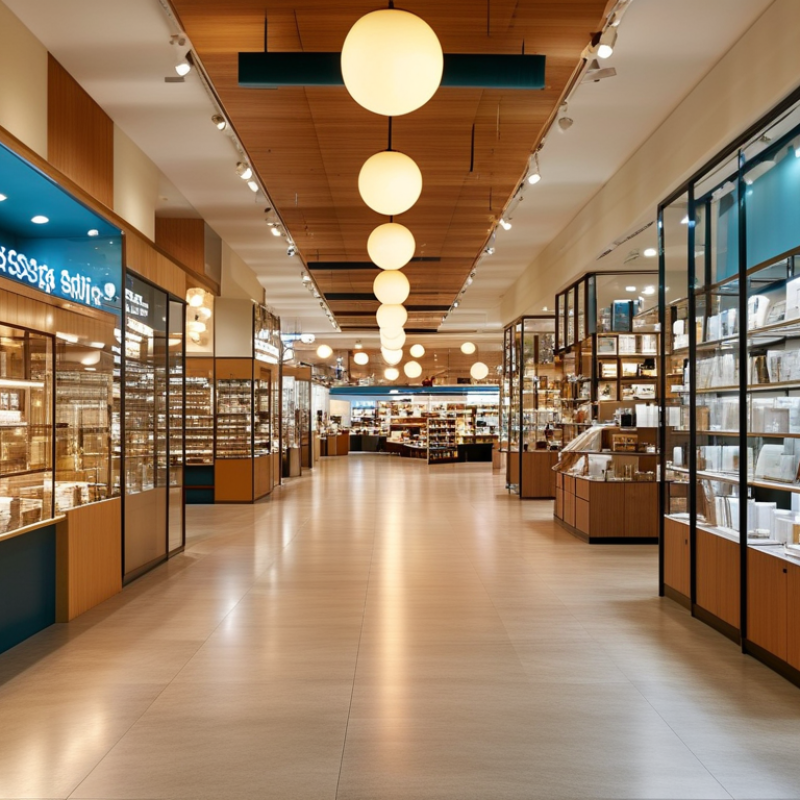
How to Choose the Best Commercial Lighting for Your Business

Understanding Your Business's Unique Lighting Needs

When it comes to lighting, every business has unique requirements. Different industries demand varying levels and types of illumination to function effectively. For example, retail spaces need brighter lights to showcase products, while restaurants benefit from softer lighting to create an inviting atmosphere. Research indicates that effective lighting can increase sales by up to 20% in retail environments.

Understanding your specific needs involves assessing the size of your space and the type of ambiance you wish to create. A manufacturing facility may require more efficient and brighter lights for safety and operational needs. Conversely, a spa would benefit from warm tones to enhance relaxation. According to the U.S. Department of Energy, proper lighting can enhance productivity by nearly 15%.

It’s also essential to reflect on the energy efficiency of your choices. LED technology provides significant cost savings, lasting up to 25 times longer than traditional options. Yet, concerns about initial installation costs may deter businesses from switching to energy-efficient systems. Balancing the upfront investment with long-term benefits is crucial in making informed decisions. Ultimately, the right lighting can elevate your business environment, but it requires careful consideration of your specific requirements.

Types of Commercial Lighting and Their Applications

Choosing the right commercial lighting can greatly impact your business environment. Different types of lighting serve various purposes. For instance, ambient lighting provides general illumination in spaces like offices or retail shops. A recent report from the U.S. Department of Energy highlighted that effective ambient lighting can reduce energy costs by up to 30%.

Task lighting is particularly beneficial in workspaces where specific activities occur. This type of lighting is focused on areas where detailed tasks are performed, improving productivity and reducing eye strain. A study by the Lighting Research Center found that proper task lighting can enhance employee performance by as much as 20%. However, many businesses overlook this crucial aspect of their design.

Accent lighting plays a critical role in highlighting features, products, or artwork. It can create an inviting atmosphere or direct attention to specific merchandise in retail. Yet, some businesses tend to overuse it, leading to poor visibility or distraction. Balancing various types of lighting while being mindful of color temperatures can elevate a space. It is essential to assess your specific needs to ensure the lighting enhances functionality and aesthetic appeal.

Factors to Consider When Choosing Commercial Lighting

Choosing the right commercial lighting involves several key factors. Assessing the purpose of your space is crucial. Different areas need different light levels. For example, a retail store requires bright lighting to showcase products, while an office might benefit from softer, ambient light.

Another important consideration is energy efficiency. LED lights are popular due to their longevity and lower energy consumption. However, their initial cost can be high. Evaluate the long-term savings against the upfront investment. It’s worth considering how lighting impacts employee mood and productivity. Bright, warm lights can create a welcoming atmosphere, but can also lead to glare or discomfort over time.

Don’t overlook the design aspect either. The style of fixtures should complement your business's aesthetic. Think about the maintenance needs of the chosen lighting. Some fixtures require regular cleaning or bulb replacements. Reflect on your specific needs before making decisions. Flexibility in lighting options can often lead to better overall performance.

Energy Efficiency and Cost-Effectiveness in Lighting Choices

When selecting commercial lighting, energy efficiency and cost-effectiveness are vital. According to the U.S. Department of Energy, lighting accounts for about 30% of a commercial building’s energy use. With costs rising, businesses must consider how to reduce expenses while maintaining effective lighting solutions.

LED lighting remains a top choice. Studies show that LED options can use up to 75% less energy than traditional incandescent bulbs. This can lead to savings of $100 or more per bulb over its lifetime. Many companies find that by investing in energy-efficient lighting, they see a return on investment within a couple of years.

However, not all lighting choices prioritize energy savings. Some businesses still opt for outdated technologies that, while initially cheaper, result in higher long-term costs. Smart lighting systems can also help. These systems adjust based on occupancy and time of day, optimizing energy use. For businesses, the challenge lies in balancing immediate costs with ongoing savings. Industry reports indicate that 80% of businesses still overlook energy-efficient upgrades. This reflects a significant opportunity for improvement.

Comparison of Energy Efficiency and Cost-Effectiveness in Commercial Lighting Options

This chart illustrates the energy efficiency (in lumens per watt) and cost-effectiveness (in USD per 1000 lumens) of various commercial lighting types, helping businesses choose the best option for their needs.

Designing a Comprehensive Lighting Plan for Your Space

Designing a comprehensive lighting plan for your business is crucial for both functionality and aesthetics. Industry reports indicate that effective lighting can enhance workers' productivity by up to 20%. Choosing the right mix of overhead, task, and accent lighting sets the stage for employee engagement and customer satisfaction. Each workspace has unique needs, requiring a tailored approach to ensure that light enhances the atmosphere.

Consider the specific functions of each area. For example, in retail, spotlighting merchandise can increase sales by nearly 30%, according to a study by the International Council of Shopping Centers. In offices, having adjustable lighting for workstations supports various tasks, fostering comfort. It's also essential to evaluate energy efficiency. The U.S. Department of Energy states that lighting typically accounts for about 20% of commercial energy use. Reflecting on long-term impacts can help in selecting sustainable options.

Assessing your current lighting can reveal gaps. If certain areas are dim or overly bright, it may affect morale and productivity. Regularly seeking feedback from employees on their lighting experience can guide improvements. Remember, there’s always room for refinement. A meticulous approach will ultimately illuminate the potential of your business.

FAQS

: What is ambient lighting?

: Ambient lighting provides general illumination in spaces like offices or retail shops, enhancing overall visibility.

How can task lighting benefit workspaces?

Task lighting focuses on specific work areas, improving productivity and reducing eye strain during detailed tasks.

What is accent lighting used for?

Accent lighting highlights features, products, or artwork, creating an inviting atmosphere in commercial environments.

Why is a comprehensive lighting plan important?

A well-designed lighting plan enhances functionality and aesthetics, affecting worker productivity and customer satisfaction.

How does lighting affect energy costs?

Effective ambient lighting can reduce energy costs by up to 30%, which many businesses may overlook.

What should be considered when selecting lighting?

Consider the unique needs of each area, such as retail spotlights to boost sales or adjustable office lighting.

How often should businesses evaluate their lighting?

Regular assessments help identify overly bright or dim areas, impacting morale and productivity.

Can overusing accent lighting be a problem?

Yes, overuse can lead to poor visibility or distraction, making it important to balance different lighting types.

How can employee feedback improve lighting conditions?

Seeking feedback regularly allows businesses to adjust lighting based on employee experiences and comfort levels.

What are long-term impacts of poor lighting choices?

Poor lighting can lower productivity and morale, emphasizing the need for a thoughtful, long-term lighting strategy.

Conclusion

When exploring how to choose commercial lighting for your business, it is essential to first understand your unique lighting needs, which can vary significantly depending on the type of industry and the specific tasks involved. Different types of commercial lighting—such as ambient, task, and accent lighting—serve various applications, making it crucial to select the right combination for optimal functionality and atmosphere.

Additionally, several factors should be considered when making lighting choices, including energy efficiency and cost-effectiveness, which can greatly impact your business's operational expenses. A well-designed comprehensive lighting plan will not only enhance the overall aesthetic of your space but also improve productivity and employee satisfaction, ensuring your lighting strategy is both practical and beneficial for your business.

Sienna

Sienna

Sienna is a skilled marketing professional with a deep expertise in our company’s core products and services. With a passion for innovation and detail, she plays a pivotal role in crafting insightful blog posts that not only highlight the unique features of our offerings but also provide valuable......