Choosing the right lighting is crucial for any business. Retail LED Lighting offers many advantages. As John Smith, a lighting industry expert, once said, "The right light can transform a space." This is especially true in retail environments.
Effective lighting can enhance product display, attract customers, and improve overall ambiance. Retail LED Lighting provides energy efficiency and longevity. Many businesses find that switching to LED can reduce costs significantly. This choice is not just about savings; it's also about creating a welcoming atmosphere. However, some businesses hesitate, uncertain about the initial investment.
Choosing Retail LED Lighting isn't just a trend; it's a path to sustainable growth. Yet, businesses need to recognize that not every LED solution fits every space. Proper planning and design are essential to maximize the benefits. It's important to reflect on how lighting can impact customer behavior. Embracing the right lighting strategy can lead to success.
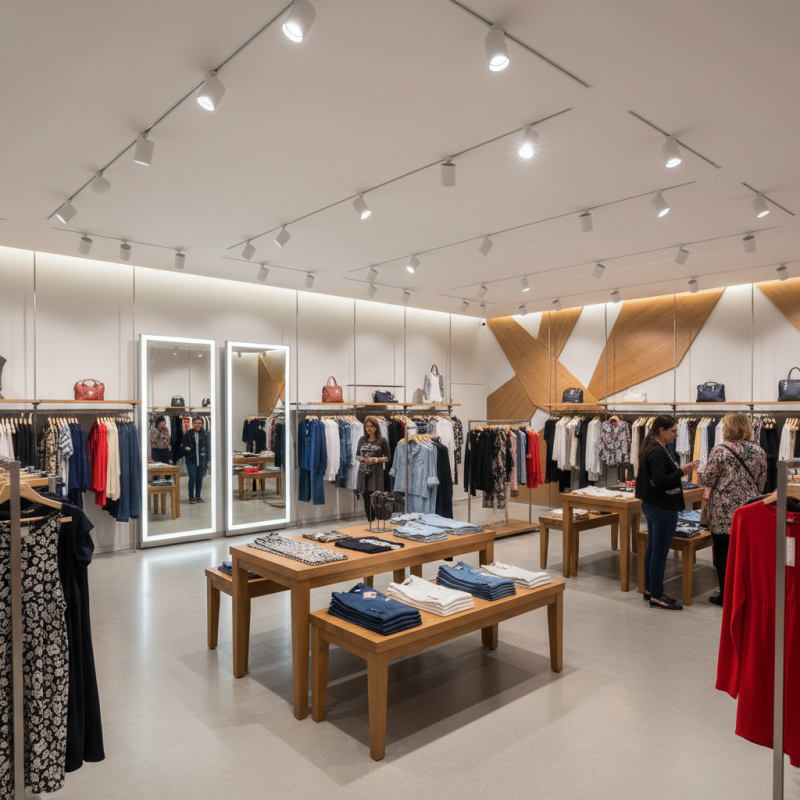
Retail LED lighting offers numerous benefits that can significantly impact your business's bottom line. One major advantage is cost savings. Studies reveal that switching to LED lights can reduce energy consumption by up to 75%. This makes them highly efficient compared to traditional lighting options. Over a year, businesses can potentially save thousands of dollars on energy bills alone. Moreover, the lifespan of LEDs reaches about 25,000 hours, minimizing the frequency of replacements. This longevity also adds to the savings.
Efficiency metrics support the shift towards LED lighting in retail environments. According to the U.S. Department of Energy, LED lights produce less heat than traditional bulbs. This not only translates to lower cooling costs but also provides a more comfortable shopping environment. Retailers report enhanced customer experiences due to better-lit displays. However, initial costs can be a barrier. Some businesses hesitate, fearing high upfront investments. It's crucial to weigh these costs against long-term savings to make informed decisions.
Balancing initial expenses against long-term gains can be challenging. Evaluating the return on investment may take time. It's worth considering the significant cost reductions and efficiency improvements that LED lighting can deliver over time. Embracing these technologies may seem daunting, but the data supports a compelling case.
: You can contact the customer service team. They will guide you through the process.
You will receive a tracking number via email. Use it to check your order status online.
Items can be returned within a specified time frame. Make sure they are unused and in original packaging.
Changes can be made within a short period. Contact customer service immediately for assistance.
Yes, international shipping is offered. Delivery times may vary based on the destination.
Check the tracking information first. If there are issues, reach out to customer support for help.
Some returns may incur fees. Always read the return policy carefully to avoid surprises.
Stock availability is displayed on the product page. Check frequently for updates.
Use the password recovery option on the login page. Follow the instructions to reset it.
Yes, you can submit feedback through the website. Your opinions help improve future experiences.
Retail LED Lighting has become a vital choice for businesses looking to enhance their operational efficiency and customer appeal. One of the primary benefits includes significant cost savings through reduced energy consumption compared to traditional lighting solutions. This shift not only improves efficiency metrics but also contributes to lower utility bills, making it a financially sound investment for retailers.
Moreover, the impact of lighting on customer behavior is profound; effective lighting can enhance the shopping experience and boost sales. Retail LED Lighting also boasts an impressive longevity, reducing the frequency and costs associated with maintenance. Additionally, its sustainable characteristics align with environmental goals, as LED technology consumes less power and reduces waste. Overall, adopting Retail LED Lighting presents a multitude of advantages, making it a strategic choice for businesses aiming to thrive in a competitive market.

 Cool Light