When exploring the vibrant offerings at the Canton Fair, selecting the right "Full Spectrum Plant Light" is crucial. This category of lighting plays a key role in plant growth and cultivation, especially in indoor settings. According to a recent report by Market Research Future, the global market for plant lights is expected to exceed $5 billion by 2025. This growth reflects the increasing trend toward sustainable agriculture and advanced horticultural practices.
Expert Dr. Emily Carter, a leading specialist in horticultural lighting, emphasizes, "Understanding the spectrum is essential for enhancing plant health." Her insights underline the importance of choosing a plant light that closely mimics natural sunlight. With innovative AI tools being introduced at the Canton Fair, buyers can now efficiently filter suppliers that meet specific standards like ISO and CE certifications. These advancements make it easier to navigate through the vast selection of full spectrum lights available.
While technology streamlines the purchasing process, understanding the unique needs of your plants can still be daunting. Not every light suits every type of plant, and finding the perfect match involves some trial and error. This personal journey is as much about the plants as it is about understanding ourselves as growers. As the industry evolves, so too should our approach to making informed choices.
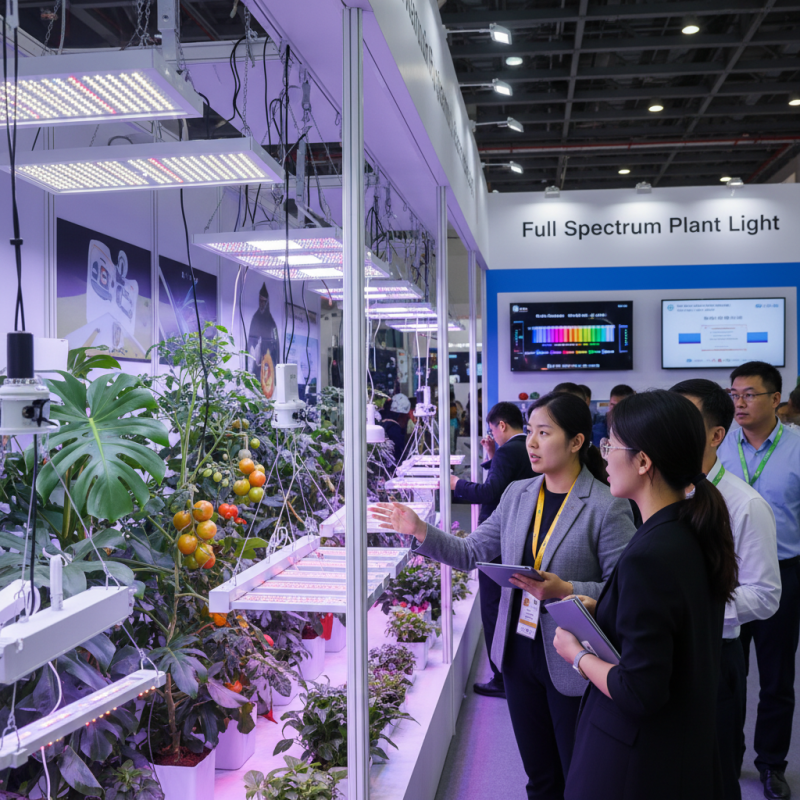
Understanding Full Spectrum Plant Lights: Key Features to Consider
When selecting a full spectrum plant light, consider three key features:
light spectrum,
intensity,
and energy efficiency.
The right spectrum mimics natural sunlight, promoting photosynthesis. Look for lights that provide balanced wavelengths,
particularly blue and red.
These colors support plant growth in different stages. It’s crucial to evaluate what your specific plants require.
Intensity matters too. Different plants have varying light needs. Some thrive in low light,
while others require bright, direct light. Measure lumens for a quantifiable assessment.
Many users overlook how heat output impacts plants.
Excessive heat can stress plants, so ensure your chosen light doesn’t disrupt their environment.
Energy efficiency is often ignored during the selection process.
Lights that consume less energy can be cost-effective over time. Look for designs that utilize LED technology;
they last longer and reduce electricity bills. Be wary of low-quality lights that promise high performance.
These can lead to frustrations later. Remember, lighting isn’t just about brightening a space;
it's about nurturing growth.
Taking these elements into account helps avoid common pitfalls.
Evaluating Plant Growth Needs: Matching Light Spectrum to Plant Types
When selecting a full spectrum plant light, understanding plant growth needs is crucial. Different plants require varying light spectra to thrive. For instance, leafy greens typically prefer a higher ratio of blue light, around 450-480 nm. This spectrum promotes photosynthesis and encourages healthy leaf growth. In contrast, flowering plants benefit from more red light, ranging from 620-640 nm. This spectrum helps enhance blooming and fruiting processes.
According to a report by the International Society for Horticultural Science, optimal light wavelengths can significantly affect crop yields. For example, plants exposed to a balanced spectrum can produce yields up to 30% higher than those under inadequate lighting conditions. A common mistake is to assume all plants need the same light spectrum. Understanding individual plant requirements can improve outcomes greatly.
It's also important to note the distance between the light source and the plants. If the light is too far away, even the perfect spectrum won't compensate. Conversely, placing lights too close may cause leaf burn. Adjusting light duration is equally vital. Many plants thrive on approximately 12-16 hours of light per day. Experimentation is key. Regularly evaluating plant response helps in fine-tuning light settings, leading to healthier growth and better yields.
Assessing Energy Efficiency and Durability of Plant Lights
Choosing the right full spectrum plant light involves careful consideration of energy efficiency and durability. Research suggests that energy-efficient grow lights can reduce electricity costs by up to 80%. LEDs, a popular choice, offer long lifespans, often over 50,000 hours, which is significantly longer than traditional bulbs. This durability means fewer replacements and less waste over time.
However, not all lights marketed as “energy-efficient” are equal. Some might consume less power but compromise on light quality. An industry report indicates that plants under optimal light conditions can grow 30% faster. It's crucial to assess lumens per watt to ensure maximum efficiency. Ensure that the light spectrum covers all essential wavelengths, especially red and blue, for plant growth.
It's also important to reflect on your specific needs. Consider the space you have and the type of plants you’re growing. Some lights might not perform well in larger areas. A common misconception is that more power always equals better growth; this isn't always true. Finding a balance between energy usage and light quality requires careful analysis and testing.
Comparing Different Brands and Models at Canton Fair
When exploring full spectrum plant lights at the Canton Fair, it's essential to compare different brands and models carefully. Various studies suggest that high-quality grow lights can increase plant growth by 30% to 50% compared to traditional lighting. However, not all lights deliver the same efficiency. Some models have a higher light output but lack the necessary spectrum for optimal growth.
Many products boast full spectrum capabilities, but the actual performance varies. Look for models that offer a balanced mix of blue and red light. A report from the Agricultural Lighting Association indicates that plants benefit most from light wavelengths between 400nm and 700nm. Pay attention to conversion efficiency – how much electricity is transformed into usable light. This aspect can affect your long-term costs.
A significant observation at the fair was the inconsistency in design and function. Some lights were bulky and hard to install. Others had confusing user interfaces. It's vital to ask questions and request demonstrations. Reviews highlighted the importance of customer support too. Companies that are responsive set themselves apart. Ultimately, the right choice should promote growth while fitting within your practical needs. Reflecting on this experience might lead some to reconsider their priorities and focus more on functional aspects than just aesthetics.
How to Choose Full Spectrum Plant Light at Canton Fair? - Comparing Different Brands and Models at Canton Fair
| Model |
Wattage |
Spectrum Type |
Lumens Output |
Price Range |
Voltage |
| Model A |
300W |
Full Spectrum |
9000 Lumens |
$150 - $200 |
110V |
| Model B |
600W |
Full Spectrum |
18000 Lumens |
$250 - $300 |
220V |
| Model C |
150W |
Full Spectrum |
4500 Lumens |
$100 - $130 |
110V |
| Model D |
250W |
LED Spectrum |
7500 Lumens |
$130 - $180 |
220V |
Tips for Negotiating Prices and Securing Quality Products
When negotiating prices at the Canton Fair, understanding market trends is crucial. Recent reports indicate that the demand for full spectrum plant lights has surged by over 30% in the past year. This is largely driven by the growing popularity of indoor gardening and hydroponics. Buyers should be aware of this trend. Knowing the market value can provide leverage in price discussions.
Quality assurance is equally important. According to industry statistics, nearly 25% of buyers encountered issues with product quality the last time they sourced lighting solutions. Requesting certifications can help ensure standards are met. It’s wise to ask for sample products to review before committing to a large order. Observational skills play a role here; look for discrepancies in brightness, color accuracy, and construction quality.
Make sure to build rapport with suppliers. A trusted relationship can lead to better deals and transparent communication. However, caution is necessary. Not every supplier will be straightforward. Keep a checklist of essential attributes you expect; some suppliers might overlook vital details like warranty offers or return policies. Settling for less may cost more in the long run. Negotiation is not just about price; it’s about securing the best overall deal.
Pricing Comparison of Full Spectrum Plant Lights at Canton Fair
Conclusion
When attending the Canton Fair, selecting the right Full Spectrum Plant Light is crucial for ensuring optimal plant growth. Key features to consider include the light's spectrum, intensity, and coverage area, which should align with the specific needs of your plants. Different plant types may require varying light wavelengths to thrive, so understanding these requirements will help you make informed decisions.
Additionally, evaluating the energy efficiency and durability of plant lights is essential for long-term sustainability. It's wise to compare various brands and models available at the fair, paying attention to their specifications and customer reviews. Finally, negotiating prices can result in securing quality products at a favorable rate, ensuring you get the best value for your investment in Full Spectrum Plant Lights.

 Cool Light