Why Choose Commercial LED Lighting for Your Business?

Time:2026-02-07 Author:Charlotte
0%

In today's competitive business landscape, choosing the right lighting can significantly influence operational efficiency and customer experience. Commercial LED Lighting has emerged as a transformative technology in this regard. According to a recent report by the U.S. Department of Energy, LED lighting can save up to 75% of energy compared to traditional lighting methods. This substantial reduction not only cuts costs but also contributes to sustainable business practices.

Industry expert Dr. Emily Carter, a leading figure in commercial lighting solutions, emphasizes, "Investing in Commercial LED Lighting is not just an energy decision; it’s a strategic business move." Her insights underline the necessity for businesses to embrace innovative lighting solutions that enhance productivity while reducing environmental impact. Despite the clear advantages, some businesses remain hesitant, often due to initial investment concerns or a lack of understanding of long-term savings.

The benefits of Commercial LED Lighting can be profound, especially when considering the long lifespan and low maintenance requirements of LED solutions. However, it is vital for companies to thoroughly examine their unique needs and goals before making such a transformative decision. Embracing commercial LED technology appears crucial in modern business practices, yet reflection upon individual circumstances is equally essential.
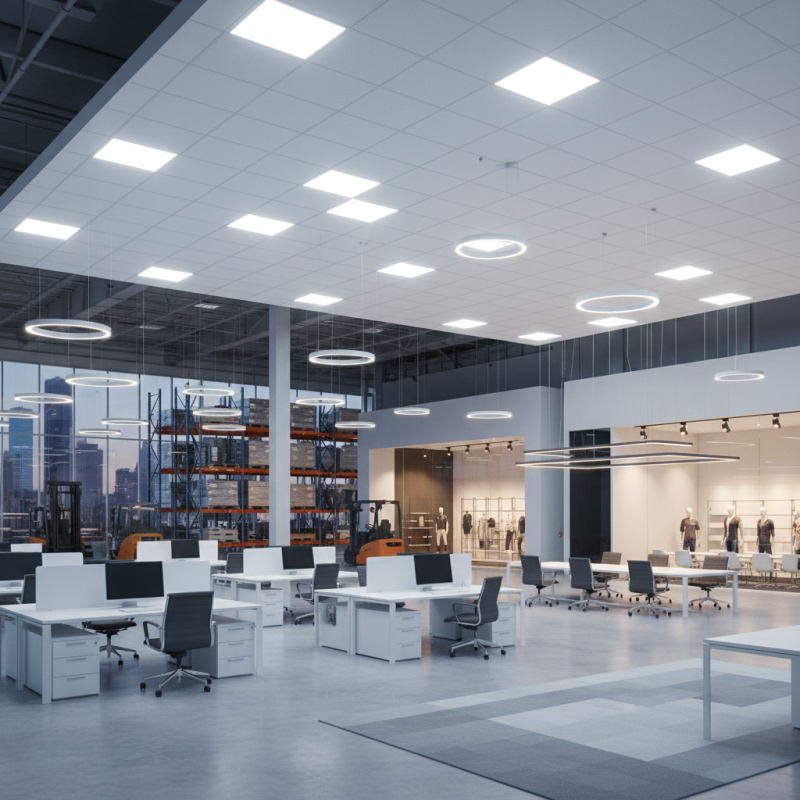
Why Choose Commercial LED Lighting for Your Business?

Benefits of Commercial LED Lighting for Businesses

Businesses are increasingly choosing commercial LED lighting. This shift is driven by numerous advantages that LED technology brings. According to a recent report from the U.S. Department of Energy, LEDs use up to 75% less energy than traditional lighting. This translates directly into lower utility bills for businesses. The initial investment in LED fixtures pays off quickly through these savings.

LED lights also last significantly longer. The lifetime of an LED can reach 25,000 hours or more, compared to just 1,000 hours for incandescent bulbs. This durability means fewer replacements. Fewer replacements lead to reduced maintenance costs. However, some companies overlook the impact of lighting quality. Poor lighting can lead to employee fatigue and affect productivity.

Moreover, LEDs offer versatility in design and application. Retailers can focus on specific product displays. Restaurants can create inviting atmospheres. But, not all LED products are of high quality. It’s crucial to conduct proper research before making a purchase. Not all options on the market will provide the expected benefits. Investing in quality LED lighting is, therefore, crucial for maximizing returns.

Benefits of Commercial LED Lighting for Businesses

Cost Efficiency and Energy Savings of LED Lighting

LED lighting has become a popular choice for many businesses. The cost efficiency it offers cannot be overlooked. LED lights use significantly less energy compared to traditional lighting options. This means lower electricity bills each month. Moreover, their lifespan is longer, which reduces replacement costs.

Many enterprises find that the initial investment pays off over time. While the upfront costs can seem high, the savings accumulate quickly. Businesses often underestimate how much they can save. For some, the long-term benefits are not immediately clear. It requires careful analysis of energy consumption and costs.

Incorporating LED lighting also enhances the work environment. Brighter, more efficient lighting can boost employee productivity. However, the transition must be planned carefully. Some may struggle with the adjustment to different light quality. Overall, the switch to LED lighting can lead to substantial energy savings for businesses.

Environmental Impact of Switching to LED Lighting

Switching to LED lighting can significantly reduce your business's environmental footprint. LEDs consume less energy, translating to lower greenhouse gas emissions. Traditional bulbs waste energy as heat. In contrast, LEDs convert most of their energy into light. This efficiency means a smaller carbon footprint for your operations.

The materials used in LED production are also a consideration. While they are generally more eco-friendly, the manufacturing process does require attention. Not all LEDs are created equal. It's vital to choose options that prioritize sustainability. Recycling programs for old lighting can mitigate waste. Each small step contributes to a larger impact, even if it seems minor at first.

Incorporating LED lighting isn't just a financial decision. It reflects a business's commitment to sustainability. Customers increasingly prefer eco-conscious brands. However, businesses must evaluate their own practices critically. Are they ready to embrace these changes? Real progress requires effort and continuous reflection on methods and supplies.

Versatility and Design Options for Commercial Spaces

In today’s commercial spaces, versatility is key when choosing lighting solutions. LED lights come in various shapes, sizes, and styles. This flexibility allows businesses to enhance their decor while meeting functional needs. For instance, track lighting can highlight art and product displays simultaneously. Recessed lights provide a sleek, modern look, minimizing visual clutter.

Design options are almost limitless. Businesses can experiment with color temperatures to create different atmospheres. Warm tones can foster a cozy vibe, perfect for cafes. Cooler tones may be ideal for high-energy environments like gyms. However, it’s crucial to consider the impact of lighting on mood and productivity.

Some businesses struggle with the balance between aesthetics and practicality. Overly bright spaces can be harsh and uninviting. On the other hand, dim lighting can hinder visibility and safety. Striking this balance takes time and reflection. A well-lit space can improve employee morale and customer satisfaction, but the right design must be carefully planned.

Improving Workplace Productivity with LED Lighting

Commercial LED lighting offers significant benefits for workplace productivity. Studies show that appropriate lighting can increase employee efficiency by up to 20%. Bright, well-designed lighting helps reduce eye strain and fatigue. Employees feel more energetic when working in well-lit environments. In contrast, poor lighting can lead to lower morale and productivity drops.

Additionally, LEDs consume less energy than traditional options. Switching to LED lighting can lower energy costs by as much as 75%. This not only supports a sustainable workplace but also allows businesses to allocate resources more effectively. A well-lit workspace encourages better focus and creativity. Employees thrive in environments where they can see clearly and feel comfortable.

However, the transition to LED lighting is not without challenges. Some may find the initial investment daunting. Adjusting to new lighting conditions can also take time. It’s essential to consider color temperature and brightness levels. While LED lights are efficient, they must be implemented thoughtfully. Ignoring these factors can negate potential benefits. Ultimately, a balanced approach to lighting can transform a workplace into a more dynamic and productive space.

FAQS

: What is the main purpose of the website?

: The website aims to provide valuable information and insights on various topics.

How often is the content updated?

Content is updated regularly to ensure accuracy and relevance. Check back often for new articles.

Can I contribute my own articles?

Yes, contributions are welcome. Please follow the submission guidelines provided on the site.

Is there a membership or subscription fee?

Access to most content is free. Some special features may require a membership fee.

How can I contact customer support?

Customer support can be reached through the contact form on the website. Expect a response soon.

Why are some articles removed?

Articles may be removed for various reasons, such as outdated information or relevance concerns.

Are there any community guidelines?

Yes, users are expected to engage respectfully and follow the community guidelines listed on the site.

Can I share articles on social media?

Absolutely! Sharing articles helps spread knowledge. Use the share buttons on each article.

What topics are covered on the site?

A wide range of topics is covered, including technology, health, and lifestyle choices.

How do I provide feedback on the content?

Feedback is encouraged. You can leave comments on articles or use the feedback form on the site.

Conclusion

Commercial LED Lighting offers numerous advantages for businesses, making it an ideal choice for enhancing both functionality and aesthetics in the workplace. Firstly, its cost efficiency and energy savings significantly reduce operational expenses, allowing businesses to allocate funds to other critical areas. Furthermore, transitioning to LED lighting has a positive environmental impact, as it lowers energy consumption and reduces carbon footprints, supporting sustainability goals.

Additionally, Commercial LED Lighting is versatile and comes in various design options, suitable for a wide range of commercial spaces. This adaptability ensures that businesses can create inviting atmospheres tailored to their specific needs. More importantly, quality lighting plays a crucial role in improving workplace productivity by enhancing visibility and reducing eye strain, ultimately leading to a more engaged and efficient workforce. Embracing Commercial LED Lighting is a smart investment that addresses both economic and environmental concerns while fostering a productive working environment.

Charlotte

Charlotte

Charlotte is a seasoned marketing professional with a deep understanding of the company's portfolio and a passion for elevating its presence in the market. With a keen eye for detail and a commitment to excellence, she ensures that our professional blog is regularly updated with insightful articles......