In the fast-evolving world of commercial interior lighting, choosing the right solutions can be daunting. Lighting plays a critical role in shaping the ambiance and functionality of a space. Tessa Lyman, an expert in architectural lighting design, asserts, "The perfect lighting can transform a mundane space into something extraordinary." Her expertise underscores the impact of well-designed lighting.
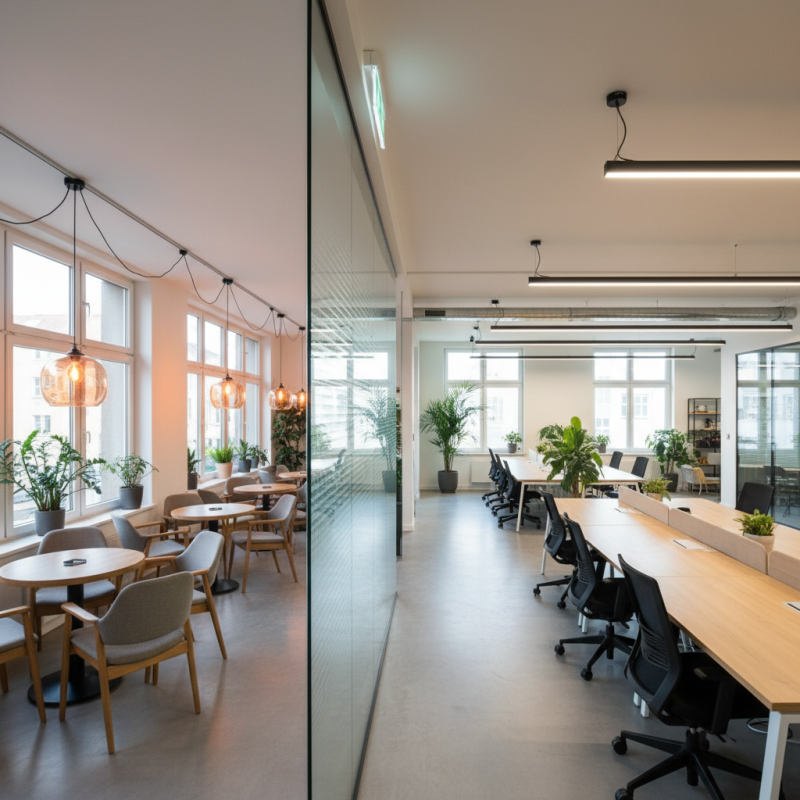
When selecting commercial interior lighting, several factors come into play. The type of fixtures, their placement, and the color temperature can alter perceptions dramatically. Specific environments require tailored solutions. A café may benefit from warm, inviting tones, while a corporate office might thrive under bright, focused light. Both choices must reflect the brand’s identity and encourage the desired mood.
A common challenge faced by businesses is the balance between aesthetics and energy efficiency. Many designs look appealing but may not function well in real-life applications. It's important to question whether the lighting truly enhances the environment. Consideration of natural light sources is also vital. Often overlooked, these elements can significantly influence the effectiveness of commercial interior lighting.
Understanding the Basics of Commercial Interior Lighting
When selecting commercial interior lighting, understanding the fundamentals is crucial. Proper lighting influences mood, productivity, and safety. A report by the Illuminating Engineering Society highlights that well-lit environments can increase productivity by up to 20%. This statistic emphasizes the importance of choosing the right lighting system for any commercial space.
Different types of lighting serve various purposes. Ambient lighting provides general illumination, while task lighting ensures visibility for specific activities. Accent lighting highlights features and creates an inviting atmosphere. However, achieving a balance can be challenging. Overly bright lights may lead to discomfort, while insufficient illumination can cause safety hazards. A survey by the American Society of Interior Designers found that 65% of respondents reported poor lighting design significantly impacted their work.
Choosing options like LED fixtures can enhance energy efficiency. According to the U.S. Department of Energy, replacing traditional lighting with LEDs can reduce energy consumption by 75%. Such considerations are essential for sustainable design. Nevertheless, it is vital to remember customer needs and preferences. Ignoring this can lead to suboptimal environments. A thoughtful approach will yield a well-lit, functional space that meets both aesthetic and practical needs.
Identifying the Purpose and Functionality of Different Spaces
When selecting commercial interior lighting, understanding the unique purpose of each space is crucial. A report by the International Association of Lighting Designers (IALD) emphasizes that different environments require tailored lighting solutions to enhance functionality. For instance, an office space often benefits from bright, even lighting to boost productivity. According to studies, 68% of employees report feeling more engaged in well-lit environments.
In contrast, areas such as restaurants or lounges thrive on atmospheric lighting. Soft, warm tones help create a welcoming ambiance. Research indicates that customers spend 20% more time in spaces with thoughtfully designed lighting. However, achieving this balance can be challenging. Designers must consider factors like light intensity, color temperature, and energy efficiency.
Let’s not forget the importance of flexibility. Spaces often change over time, requiring adaptable lighting solutions. A workspace might transition from a focused task environment to a collaborative setting. Effective lighting should accommodate these shifts seamlessly. Regular assessments and updates are necessary for maintaining dynamic spaces. Ignoring this can lead to inefficiencies or discomfort for occupants.
Evaluating Various Types of Lighting Fixtures and Their Uses
When considering commercial interior lighting, it’s essential to evaluate various fixture types and their specific applications. LED lighting remains a popular choice due to its energy efficiency and longevity. Studies show LED fixtures can save up to 75% in energy costs compared to traditional incandescent bulbs. This not only reduces utility expenses but contributes to a greener environment.
Fluorescent lighting, while less popular now, still finds utility in budget-conscious settings. They provide good color rendering but can flicker, leading to discomfort. It’s crucial to assess the space's needs. Task lighting can enhance productivity by directing light precisely where it’s needed, such as over workstations.
Consideration must also be given to aesthetic appeal. The balance of brightness and color temperature can drastically influence mood and ambiance. A study from the Illuminating Engineering Society indicates that color temperature affects human performance. Spaces with warmer tones feel more inviting, while cooler tones can enhance focus. Insights into user experience reveal that lighting should adapt to various tasks and activities, emphasizing the need for versatility in design.
2026 How to Choose the Best Commercial Interior Lighting? - Evaluating Various Types of Lighting Fixtures and Their Uses
| Lighting Type |
Uses |
Advantages |
Disadvantages |
Average Lifespan (Hours) |
| LED |
Offices, Retail, Hospitality |
Energy-efficient, long lifespan, low heat output |
Higher upfront cost |
25,000 - 50,000 |
| Fluorescent |
Commercial Buildings, Warehouses |
Good for large spaces, energy-efficient |
Flickering issues, contain mercury |
7,000 - 15,000 |
| Incandescent |
Retail, Residential, Restaurants |
Warm light, color rendering |
Shorter lifespan, higher energy cost |
1,000 - 2,000 |
| Halogen |
Accent Lighting, Showrooms |
Bright light, dimmable |
Hot surface, shorter lifespan |
2,000 - 4,000 |
| CFL (Compact Fluorescent Lamp) |
Offices, Home Lighting |
Energy-efficient, lower heat |
Long warm-up time, flickering |
7,000 - 15,000 |
Considering Energy Efficiency and Sustainability in Lighting Choices
When selecting commercial interior lighting, energy efficiency and sustainability should be at the forefront of your decisions. The right choice can significantly reduce energy costs and environmental impact. LED lights are often a top recommendation due to their long lifespan and low energy consumption. They provide bright, consistent light and come in various color temperatures to fit different atmospheres.
Tips for choosing sustainable lighting:
- Consider daylighting. Natural light can enhance productivity and comfort. Integrating skylights or larger windows minimizes reliance on artificial light.
- Look for ENERGY STAR-rated products. These lights meet strict efficiency standards. They may cost more upfront, but savings increase over time.
- Utilize smart controls. Dimming features and occupancy sensors ensure that lights are only used when needed. This not only saves energy but also extends the lifespan of your lighting.
Reflect on your specific needs. A one-size-fits-all approach may not deliver optimal results. Assess how each space is used and adapt your lighting strategy accordingly. Remember, the goal is to create a balance between aesthetics and practical energy savings. Your lighting choices can tell a story of sustainability while serving their functional purpose efficiently.
2026 Energy Efficiency in Commercial Interior Lighting Choices
Designing a Cohesive Aesthetic with Lighting in Commercial Interiors
Lighting plays a crucial role in creating a cohesive aesthetic in commercial interiors. The right lighting can enhance the atmosphere and functionality of a space. Think about how natural light interacts with the architecture. It is essential to consider various styles, finishes, and types of fixtures that complement the overall design.
For example, a modern office might benefit from sleek, minimalistic fixtures that promote a calm environment. Soft, diffused lights can reduce glare on screens. On the other hand, a vibrant retail space may use colorful lighting to attract attention. Each choice shapes the customer's experience and influences their behavior.
Achieving a balanced look requires awareness of potential pitfalls. Overly harsh lighting can overwhelm spaces, while too dim lighting can create a dreary mood. Reflect on how different areas within a commercial space serve distinct functions. Meeting rooms may need adjustable lighting, while reception areas could use warm lights for a welcoming feel. Each element counts in telling a visual story through lighting.
Conclusion
Choosing the best Commercial Interior Lighting is crucial for creating functional and aesthetically pleasing spaces in various commercial environments. Understanding the basics of commercial lighting helps in identifying the specific needs of different areas, whether it be for practical tasks or enhancing customer experience.
Evaluating various types of lighting fixtures and their respective uses allows designers to select the most suitable options for each space. Additionally, considering energy efficiency and sustainability in lighting choices not only reduces operational costs but also contributes to environmental stewardship. Finally, designing a cohesive aesthetic with lighting enhances the overall ambiance, ensuring that the commercial interiors resonate with the intended brand image and purpose.

 Cool Light