In today's world, energy efficiency is crucial. Indoor lighting plays a significant role in energy consumption. Understanding "how to save energy with indoor lighting" can lead to substantial savings. Lighting expert Sarah Johnson states, "Small changes in lighting can lead to big savings." Her insights are invaluable for anyone looking to reduce energy use.
To save energy, choosing the right bulbs is essential. LED lights are a great option. They consume less energy and last longer than traditional bulbs. Another tip is to use dimmers. Dimmers allow you to adjust the light intensity based on your needs. This can reduce energy usage significantly. However, many people overlook the potential of natural light. Opening curtains during the day can brighten a room without consuming any energy.
Most homeowners struggle with habits that waste energy. Leaving lights on in unoccupied rooms is common. It’s a simple act, yet it leads to higher bills. Taking small steps can make a difference. Learning about energy-efficient practices in indoor lighting is the first step toward sustainability.
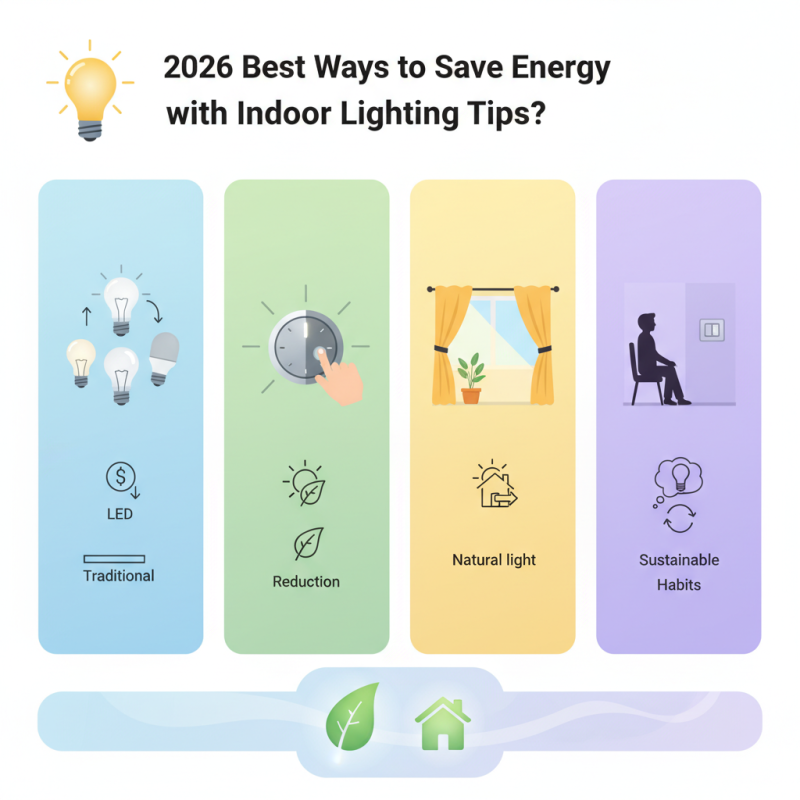
Indoor lighting plays a significant role in energy consumption. Studies show that lighting accounts for about 15% of residential energy use. This percentage can vary based on the type of bulbs and fixtures used. Transitioning from traditional incandescent bulbs to LED lighting can reduce energy usage by up to 80%. This shift significantly impacts overall energy savings.
Energy efficiency isn't solely about choosing the right bulbs. It's also about smart usage. Utilizing natural light during daytime hours reduces reliance on artificial lighting. Many homes have areas that receive ample sunlight. Properly positioning mirrors can enhance this effect, reflecting light and brightening spaces without energy costs. However, many households still rely on electric lighting, often forgetting to turn off bulbs in unused rooms.
Homeowners frequently overlook the importance of dimmers and timers. These solutions can optimize energy efficiency, allowing for adjustments based on occupancy and mood. Yet, some might find it inconvenient to install such features. Education about the benefits of energy-efficient practices remains crucial. Even small changes can lead to significant savings, but commitment is needed from everyone.
Selecting energy-efficient light bulbs can dramatically reduce energy use in homes. According to the U.S. Department of Energy, lighting accounts for about 15% of residential electricity usage. By switching to LED bulbs, households can save up to 75% on energy costs compared to traditional incandescent bulbs. This is impressive, but many still cling to outdated lighting options.
When choosing light bulbs, consider lumens instead of watts. Lumens measure brightness, while watts measure energy consumption. For instance, a 10-watt LED can produce the same luminosity as a 60-watt incandescent bulb. It’s crucial to evaluate these aspects to avoid overpaying for energy. A report from the Natural Resources Defense Council indicates that if every U.S. household replaced just one incandescent bulb with an LED, it would prevent the greenhouse gases equivalent to that produced by more than 1.2 million cars.
Not every energy-efficient bulb is suitable for all situations. Dimming capabilities, color temperature, and light quality can vary. Some LED bulbs don’t work well with dimmers, leading to flickering and dissatisfaction. It's vital to research and select bulbs based on specific needs. Energy savings are excellent, but choosing the wrong bulb can lead to frustration and waste. Balancing savings and practicality requires careful consideration.
Maximizing natural light in your home can drastically cut down electricity costs. A report by the U.S. Department of Energy states that using daylight can reduce reliance on artificial lighting by up to 75%. This shift not only saves money but also enhances mood and productivity.
To achieve this, consider placing reflective surfaces such as mirrors opposite windows. They can bounce light into darker areas, brightening up a room without additional energy use.
Another effective tip is to keep windows clean. Even small dust particles can significantly block sunlight.
Another method is to opt for lighter paint colors. Shades such as white or pale yellow can amplify natural light, making spaces feel larger and brighter.
Yet, in winter months, natural light alone may not suffice. It’s worth acknowledging that overcast days can leave some rooms dim. You might find that combining natural and artificial light is necessary during these times, so don't hesitate to adjust your lighting sources responsibly.
Implementing smart lighting solutions can significantly enhance energy management in our homes. Smart bulbs can be programmed to adjust brightness based on the time of day. For example, dimming lights in the evening can create a cozy atmosphere while saving energy. Using sensors is another great strategy. These devices detect movement, turning lights on and off as needed. It reduces wasted energy and increases convenience.
Consider using timers as well. Setting a timer ensures that lights aren’t left on when they’re not necessary. This is particularly useful for outdoor lighting or areas that aren’t frequently used. Additionally, smart home systems allow remote control of lights. Users can turn off lights from their smartphones if they forget before leaving home. However, relying heavily on technology can sometimes lead to confusion.
Staying informed about energy-efficient practices is crucial. Not all smart technologies are energy-efficient by default. Choosing the right products that meet specific needs can be challenging. It requires research and careful consideration. Reflecting on personal habits can also provide insights into energy use. Are there rooms where lights are frequently left on? Addressing habits can lead to better energy management.
| Lighting Solution | Energy Savings (%) | Initial Cost ($) | Annual Savings ($) | Lifespan (Years) |
|---|---|---|---|---|
| LED Bulbs | 75 | 8 | 15 | 15 |
| Smart Lighting (Wi-Fi controlled) | 60 | 40 | 30 | 10 |
| Motion Sensors | 40 | 25 | 20 | 5 |
| Daylight Harvesting | 50 | 0 | 25 | N/A |
| Compact Fluorescent Lights (CFLs) | 50 | 5 | 10 | 10 |
Creating an appropriate lighting scheme is crucial for maximizing energy efficiency in indoor spaces. Start by assessing the area you want to illuminate. Each room has unique requirements based on its function. For example, kitchens may need brighter light for cooking, while bedrooms benefit from softer lighting. Layering light sources can also add depth and reduce energy consumption.
Use LED bulbs, which consume less energy than traditional options. Positioning lights strategically can reduce the number of fixtures needed. Consider using dimmers to adjust brightness according to the time of day. Natural light is your ally here; maximize window placement for daylit areas. However, it's easy to overlook window treatments that can obstruct this light.
Don't forget about reflectors. Place light-colored surfaces strategically to bounce light around a room. This small effort can enhance brightness without using more energy. Nonetheless, perfecting this scheme may take time. You might find that some areas remain darker than expected. Iteration is key, so keep experimenting until you find the right balance.
: Switching to energy-efficient light bulbs can save up to 75% on energy costs. This significantly lowers electricity bills.
Lumens measure brightness, while watts measure energy consumption. Always choose bulbs based on lumens to ensure adequate lighting.
Dimming capabilities, color temperature, and light quality can differ. Some bulbs may flicker with dimmers, causing frustration.
Using natural light can decrease reliance on artificial lighting by up to 75%. This saves money and boosts mood and productivity.
Place mirrors opposite windows to reflect light. Keeping windows clean also allows more sunlight in, enhancing brightness.
Yes, smart bulbs can adjust brightness by time and use sensors to turn off lights automatically, saving energy efficiently.
Timers ensure lights are off when not needed, especially in outdoor areas or low-use spaces. This prevents unnecessary energy waste.
Not all smart technologies are energy-efficient. Research is required to find products that meet specific needs without unnecessary costs.
Identifying rooms where lights are often left on helps improve energy management and reduces electricity use effectively.
Natural light may not always be adequate in winter. Combining it with artificial lighting when necessary is a sensible approach.
In today's world, understanding energy consumption in indoor lighting is essential for creating a sustainable living environment. The article "2026 Best Ways to Save Energy with Indoor Lighting Tips" outlines various strategies on how to save energy with indoor lighting. By selecting energy-efficient light bulbs, homeowners can significantly reduce their electricity bills while maintaining effective illumination. Moreover, utilizing natural light whenever possible can diminish the reliance on artificial lighting, contributing to energy conservation.
Implementing smart lighting solutions, such as timers and sensors, allows for better energy management, ensuring that lights are only on when needed. Additionally, creating appropriate lighting schemes tailored to specific activities can maximize efficiency and enhance the overall ambiance of indoor spaces. By following these tips, individuals can not only save energy but also promote a healthier and more environmentally friendly lifestyle.
Cool Light