In the realm of commercial spaces, lighting plays a pivotal role. It not only enhances aesthetics but also influences employee productivity and customer experience. Choosing the best lighting for commercial spaces requires a thoughtful approach. Factors such as energy efficiency, color temperature, and design must be considered.
In China, where commercial environments are diverse, finding the right solutions can be challenging. Businesses often overlook the effects of inadequate lighting. This can lead to increased energy costs and a less appealing atmosphere. The balance between functionality and style is crucial for creating effective spaces.
From retail stores to offices, each type of commercial space has unique needs. Selecting the best lighting for commercial spaces involves understanding these requirements. While there is no one-size-fits-all solution, exploring innovative lighting technologies can yield significant benefits. It is essential for business owners to stay informed about trends and advancements in lighting design.
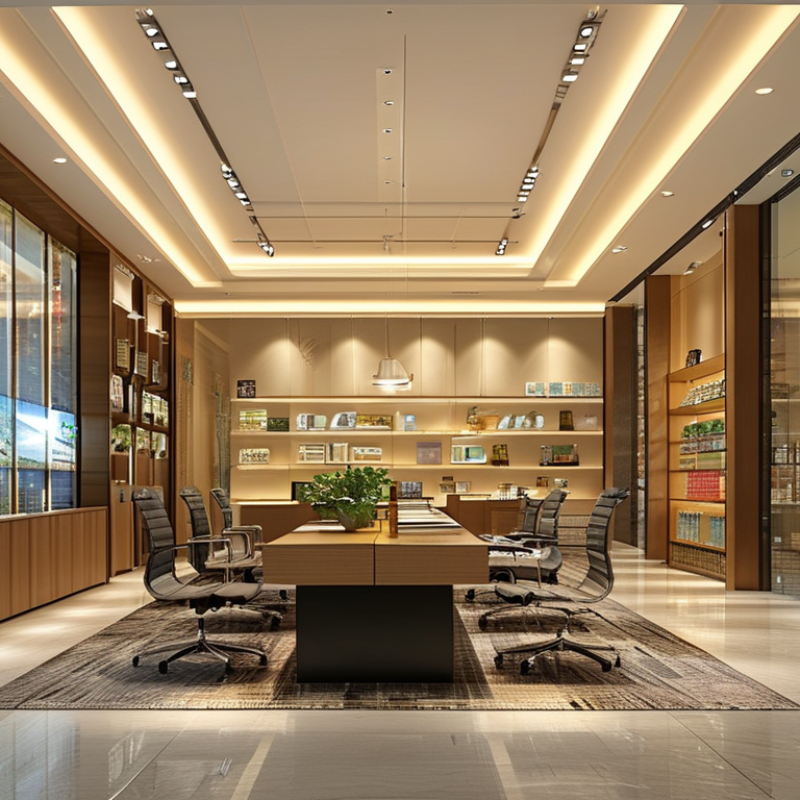
When it comes to lighting solutions in commercial spaces in China, practicality and aesthetics are key. The selection of lighting not only influences ambiance but also impacts productivity and customer experience. Proper lighting can highlight products, create a welcoming atmosphere, and enhance the overall functionality of a space. Fluorescent lights are common, but they may not create the warmth desired in many settings.
LED technology has gained traction, offering energy efficiency and versatility. These lights can come in various colors and intensities, allowing businesses to tailor their lighting to specific needs. The right temperature can make a significant difference; cool white is often used in offices, while warmer tones can make retail spaces feel more inviting. However, the challenge remains in balancing cost and quality. Cheaper options may lead to inconsistent lighting, which can detract from the intended atmosphere.
Incorporating smart lighting solutions can address some of these shortcomings. Automated systems allow businesses to adjust lighting based on the time of day or occupancy. Yet, these systems require an upfront investment and ongoing evaluation to determine their effectiveness. Thus, the journey to the best lighting solutions is not straightforward. It involves continual assessment and a willingness to adapt to changing needs and technologies.
Selecting the right lighting solutions in commercial spaces requires careful thought. One key consideration is the purpose of the space.
Offices need bright, focused light to boost productivity. Retail stores benefit from warm, inviting lighting that highlights products. Each environment demands a different approach, tailored to its specific needs and functions.
Another crucial aspect is energy efficiency. Many facilities seek to reduce costs and environmental impact.
LED lights are becoming popular due to their longevity and lower power consumption. However, it’s important to balance efficiency with quality. Sometimes, brightly lit spaces can feel harsh and unwelcoming.
Moreover, consider the flexibility of lighting solutions. The needs of a space may change over time. Adjustable lighting fixtures allow businesses to adapt as their requirements evolve. Yet, this also means that a one-size-fits-all solution is rarely effective. Successful lighting design requires ongoing evaluation and sometimes, reevaluation.
In recent years, energy efficiency has become a vital focus for commercial spaces in China. With rising energy costs and growing environmental concerns, businesses increasingly seek advanced lighting technologies. Recent statistics indicate that energy-efficient lighting can reduce electricity use by up to 75%. This shift is not just beneficial for the environment; it can also lead to significant cost savings for companies.
LED lighting has emerged as a leader in this transformation. Its longevity and low energy consumption make it an attractive choice. Commercial spaces, such as offices and retail stores, are adopting LED fixtures for these reasons. However, many still rely on outdated lighting, which may impede their operational efficiency. Companies need to evaluate their lighting systems and consider the potential gains of modern alternatives.
Moreover, the integration of smart lighting systems is gaining traction. These systems allow for real-time adjustments based on occupancy and natural light levels. While this technology presents a promising future, challenges remain. The initial investment can be substantial, and proper implementation requires expertise. Businesses must weigh these factors as they move toward smarter, more efficient lighting solutions.
LED lighting has revolutionized commercial space design in China. The impact of this technology is significant. According to recent industry reports, LED lighting can reduce energy consumption by up to 80% compared to traditional incandescent bulbs. This efficiency is crucial for businesses aiming to lower operational costs.
Beyond energy savings, LED lights enhance the ambiance of commercial spaces. A well-lit environment can boost employee productivity and improve customer experience. Studies show that spaces with optimal lighting increase sales by approximately 20%. However, achieving the right balance in lighting design is essential. Overly bright or poorly placed lights can have the opposite effect.
Focus on the quality of light, not just energy savings. Color temperature and brightness levels play a vital role in setting the mood. Some businesses may overlook human-centric lighting, which can lead to discomfort. For example, using overly cool colors in workplaces can strain employees. Regularly assessing and adjusting lighting can lead to better outcomes. Thoughtful lighting designs can enhance overall operations in commercial spaces, creating a more welcoming and efficient environment.
In recent years, retail lighting in China has seen transformative changes. A study by the China Lighting Association noted that 80% of consumers are influenced by store lighting when making a purchase. A popular case involves a high-end fashion retailer in Shanghai. They shifted to LED fixtures, creating a softer, ambient glow that increased foot traffic by 30%. The new lighting design not only enhanced product visibility but also cultivated a welcoming atmosphere.
Another fascinating case is a technology store in Beijing. They utilized dynamic lighting that adjusted based on the time of day. This innovative approach fostered a heightened customer experience, contributing to a 25% increase in sales. However, not every implementation has been flawless. One retail space reported that overly bright lighting created harsh shadows, discouraging customers from engaging with products. This serves as a reminder that lighting should balance visibility and comfort.
Research indicates that proper lighting can improve mood and perception. A well-executed lighting strategy can lead to higher customer satisfaction. Nevertheless, there are challenges in achieving the perfect balance. Lighting choices must reflect the brand identity while remaining functional. Store owners should continually assess their lighting solutions. Monitoring customer reactions is crucial. Adjustments may be necessary to optimize the shopping experience.
: Consider the purpose, energy efficiency, and adaptability of the lighting. Each space has unique needs.
Warm, inviting lighting highlights products and creates a welcoming atmosphere, improving customer satisfaction and sales.
LED lighting is energy-efficient, reduces operational costs, and enhances ambiance, boosting employee productivity and customer experience.
Yes, cheap lighting may lead to inconsistent quality, which can detract from the desired ambiance and functionality.
Automated systems allow for optimal lighting, enhancing comfort and energy savings while meeting changing needs throughout the day.
They can create discomfort and undesired impacts on both employees and customers, reducing effectiveness and ambiance.
Incorporating adjustable fixtures allows businesses to meet evolving requirements, but requires ongoing evaluation and reevaluation.
Color temperature and brightness contribute to the mood of a space. Poor choices can lead to discomfort and reduced productivity.
They require upfront investment and must be regularly evaluated for their effectiveness in addressing lighting needs.
Regular assessments ensure lighting continues to meet the needs of the space and its users, fostering a better environment.
When considering the best lighting for commercial spaces in China, it is essential to evaluate various factors that influence both design and operational efficiency. Key considerations include the unique requirements of different commercial environments, such as retail, offices, and hospitality. Emphasizing energy efficiency, the latest trends in commercial lighting technologies showcase significant advancements, particularly the widespread adoption of LED lighting. These technologies not only reduce energy consumption but also enhance the aesthetic appeal and functionality of spaces.
Case studies highlight successful implementations of innovative lighting solutions in Chinese retail environments, demonstrating how thoughtful lighting design can improve customer experience and drive sales. Overall, the best lighting for commercial spaces in China integrates energy efficiency with strategic design, enabling businesses to create inviting atmospheres while minimizing operational costs.

Cool Light