Best Indoor Brightness Solutions for Every Room in Your Home?

Time:2026-03-06 Author:Sophia
0%

Bright and inviting spaces make a home feel comfortable. However, achieving the right level of illumination can be challenging. Our guide introduces various Indoor Brightness Solutions suitable for every room. You might wonder how to balance style and function in your lighting choices.

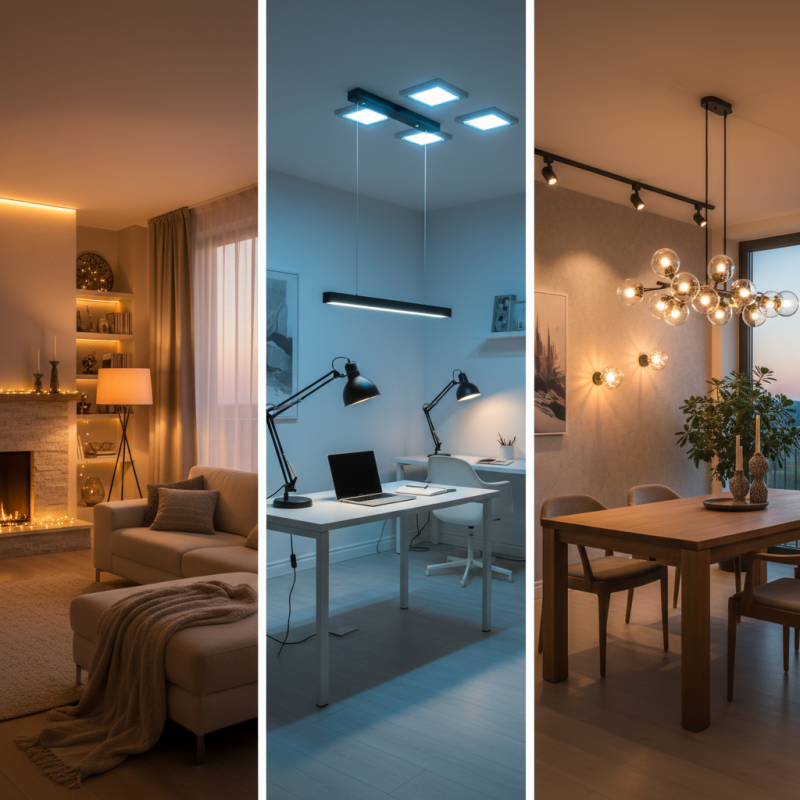
Different rooms require different lighting. The living room needs warmth to create a cozy atmosphere. In contrast, a home office benefits from bright, focused light to enhance productivity. Some may overlook the importance of layering light sources, which can add depth to any space. Selecting the right fixtures is not always easy.

Consider that each solution has its pros and cons. Not every bright idea works for everyone. Sometimes trial and error is necessary. Investing in smart lighting can lead to improved ambiance, but it may involve some upfront costs. Reflecting on these choices will help you create the perfect indoor environment.
Best Indoor Brightness Solutions for Every Room in Your Home?

Understanding Indoor Brightness and Its Importance

Indoor brightness plays a crucial role in our daily lives. Good lighting enhances mood and productivity. A report from the American Society of Interior Designers reveals that poor lighting can lead to increased fatigue and decreased focus. Understanding how to optimize brightness in each room can make a significant difference.

In the living room, use natural light as much as possible. Large windows are ideal, but if they’re lacking, consider lighter paint colors. They reflect more light. Limit heavy drapes; instead, opt for sheer curtains. This change can brighten a space without sacrificing privacy.

**Tip:** Use LED bulbs with higher lumens. They consume less energy and provide more light.

For bedrooms, the goal is often relaxation. Soft, warm lighting can create a calming atmosphere. Layer your lighting with bedside lamps, wall sconces, and dimmer switches. Sometimes, the choice of fixtures can feel overwhelming. It’s okay to mix styles until you find the right combination.

**Tip:** Avoid overly bright lighting near the bed. This can disrupt sleep.

In kitchens, bright and functional lighting is key. Under-cabinet lights can illuminate workspaces effectively. However, balance is essential. Too much stark light can be unwelcoming. Reflecting on the types of lighting you use can lead to better kitchen experiences.

Choosing the Right Lighting Fixtures for Different Rooms

Choosing the right lighting fixtures can transform your home. Each room has unique needs. A living room benefits from soft lighting. Use warm tones for comfort. Consider a mix of lamps and overhead lights. They create layers of light. This approach emphasizes textures and colors.

In the kitchen, bright task lighting is key. Overhead fixtures or under-cabinet lighting work well. They illuminate workspaces effectively. Remember, shadows can create frustrating moments while chopping. Choose lights with a high color rendering index. This ensures colors appear true, especially important for food preparation.

When it comes to bedrooms, lighting should be calming. Use dimmable fixtures to set the mood. Bedside lamps allow for quiet reading, but also need to be functional. Be cautious of harsh lights near the bed. They can disrupt a restful atmosphere. Play with various bulb types to find the perfect balance.

Best Indoor Brightness Solutions for Every Room in Your Home

Room Recommended Fixture Type Brightness (Lumens) Color Temperature (Kelvin) Best Use Cases
Living Room Floor Lamps 800-1500 2700-3000 Relaxation and entertainment
Kitchen Recessed Lighting 1200-2500 3000-4000 Food preparation and cooking
Bedroom Table Lamps 400-800 2700-3000 Reading and relaxing
Bathroom Wall Sconces 500-1000 3000-4000 Grooming and hygiene
Home Office Desk Lamps 600-1200 3500-5000 Focus and productivity

Maximizing Natural Light: Tips for Every Space

Maximizing natural light in your home can transform any space. Start with your windows. Large windows or glass doors can bring in a lot of sunlight. However, not every room can accommodate them. In such cases, consider using mirrors. They reflect light and can brighten a dark corner. Placing a mirror opposite a window can double the light effect.

Decorating with light colors also makes a difference. Light walls and furniture can make a room feel more open. Dark colors absorb light, creating a gloomy atmosphere. It’s easy to overlook this detail, but it impacts mood. Keep in mind that not all spaces can be brightened with the same methods. Each room has its unique challenges.

In areas with little natural light, using layered lighting can help. Combine overhead lights with task and accent lighting. This creates a balanced illumination. It’s a good idea to assess how much light each room receives throughout the day. Be conscious of how shadows can change the feel of a space. Take a moment to reflect on how lighting affects your environment. Adjusting your approach can lead to unexpected improvements.

Indoor Brightness Solutions for Every Room

Using Color and Decor to Enhance Indoor Brightness

Indoor brightness can greatly affect your mood and productivity. Using color and decor can enhance this brightness in any room. Light colors reflect more sunlight. Soft whites and pale yellows create an airy feel. You might notice how these shades make spaces seem larger. Adding mirrors strategically can amplify natural light. A simple mirror on a wall can double the brightness effect.

Textiles also play a significant role; consider lighter curtains or even sheer materials. They allow light to filter through without blocking it entirely. The choice of decor matters too. Choose vibrant cushions or art pieces that complement your overall color scheme. These accents can create points of interest. Sometimes, we forget to refresh our spaces. A room may look stagnant if it hasn't been updated. Experimenting with color in paint or decor could spark inspiration.

Think about the balance between colors. Bright spaces can feel overwhelming. Finding harmony is key. Too many bold colors might clash instead of enhancing brightness. Reflect on your space. Does it feel inviting? Adjusting small elements can lead to significant changes. Each room deserves a touch that makes it unique yet bright.

Smart Lighting Solutions for Energy Efficiency and Control

Modern homes demand effective lighting solutions that enhance comfort and energy efficiency. Smart lighting systems offer a blend of convenience and sustainability. Adjusting brightness levels with a simple voice command or smartphone app can transform any space. Imagine walking into a dim room and easily brightening it with the touch of a button. This ability allows homeowners to tailor the atmosphere for relaxation or productivity.

Energy efficiency is a significant advantage of smart lighting. Many systems feature timers and sensors that automatically adjust based on occupancy or natural light. This means lights can dim or turn off when no one is present, reducing electricity bills. However, challenges still exist. Users might find themselves overwhelmed by options or unsure about the best setup. It's crucial to research and test different configurations to find the most suitable one for individual needs.

Maintaining optimal indoor brightness might require some trial and error. People often overlook areas needing more light, like reading nooks or dark corners. Regularly assessing your lighting can lead to a more balanced and inviting home. Smart lighting isn't just about technology; it's also about personalizing your environment for improved well-being. Embrace the journey of discovering what works best for you in enhancing your home’s brightness.

FAQS

: How can I maximize natural light in my home?

: Start with large windows or glass doors if possible. If not, consider using mirrors to reflect light.

What color scheme works best for brighter spaces?

Light colors, like soft whites or pale yellows, reflect more sunlight and create an airy feel.

How do mirrors help enhance brightness?

Placing a mirror opposite a window can double the light effect, amplifying natural light in a room.

What is the role of textiles in improving indoor light?

Choose lighter curtains or sheer materials that filter light without blocking it entirely for better brightness.

How can I assess the lighting needs of my rooms?

Regularly evaluate how much light each room receives. Check for shadows that can affect the ambiance daily.

What are smart lighting systems?

They adjust brightness through voice commands or apps, enhancing comfort and energy efficiency in your home.

How do smart lighting solutions save energy?

They use timers and sensors to automatically adjust lights based on occupancy or available natural light.

What should I do if I feel overwhelmed by smart lighting options?

Research different configurations and test what suits your needs best. It may take some time to find the right fit.

Are there challenges when maintaining indoor brightness?

Yes, regular assessment can reveal overlooked areas needing more light, such as dark corners or reading nooks.

How can color and decor impact my mood?

Using cheerful colors and vibrant decor can make spaces feel inviting and boost your overall mood and productivity.

Conclusion

Achieving optimal indoor brightness is essential for creating comfortable and functional living spaces. The article outlines effective Indoor Brightness Solutions tailored for each room in your home. It begins by emphasizing the significance of understanding indoor brightness and explores how various lighting fixtures can be selected based on the unique requirements of different areas.

Further, readers are provided with practical tips for maximizing natural light, highlighting the importance of window placement and the use of mirrors. Additionally, the strategic application of colors and decor can significantly enhance the perception of brightness within a room. The article also delves into modern smart lighting solutions that not only promote energy efficiency but also offer greater control over the ambiance. Together, these insights form a comprehensive guide to ensuring every space in your home is bright, inviting, and efficient.

Sophia

Sophia

Sophia is a dedicated marketing professional with an exceptional depth of knowledge about her company's products and services. With a keen understanding of market trends and customer needs, she crafts insightful blog posts that not only inform but also engage readers, enriching the company’s online......