Top 10 Benefits of LED Lighting for Business Growth

Time:2026-05-16 Author:Oliver
0%

In today's competitive market, businesses are constantly seeking ways to enhance their operations and attract customers. One innovative solution that is gaining traction is LED lighting for business. This technology not only reduces energy consumption but also improves the overall ambiance of commercial spaces. Businesses adopting LED lighting can witness significant cost savings and a positive impact on their bottom line.

Moreover, the shift to LED lighting for business aligns with environmental goals. As sustainability becomes a priority, using energy-efficient lighting contributes to a greener image. This is appealing to consumers who value corporate responsibility. However, challenges still exist. Some businesses may struggle with initial costs or the need for infrastructure upgrades. Balancing these concerns with the benefits requires careful planning.

Ultimately, understanding the full range of benefits offered by LED lighting for business can lead to informed decisions. Improved lighting quality can elevate customer experiences and employee satisfaction. The potential for enhanced productivity is noteworthy. With careful evaluation, businesses can fully leverage the advantages of LED technology to drive growth and success.
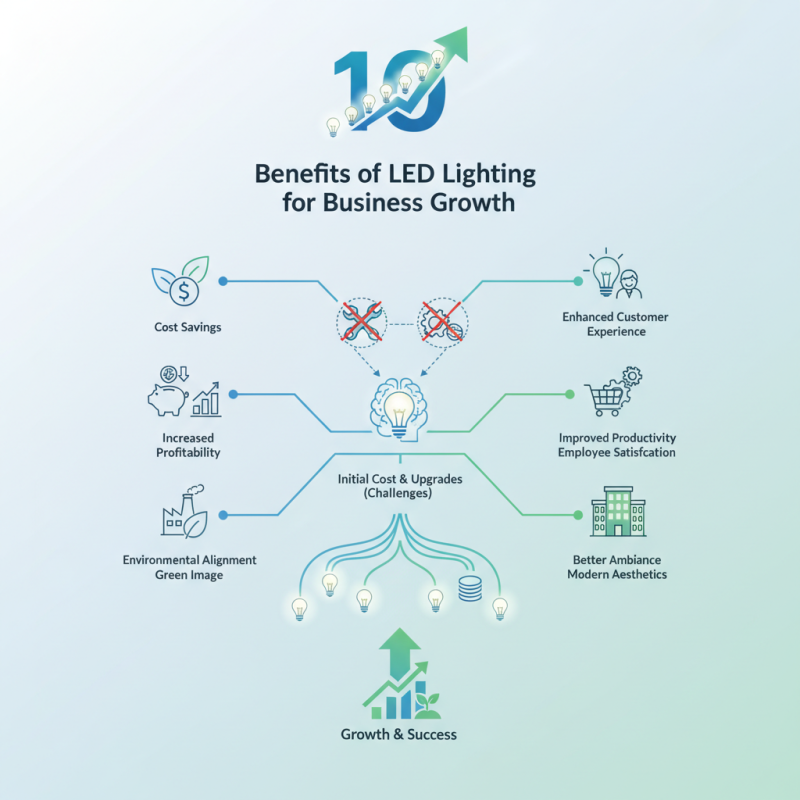
Top 10 Benefits of LED Lighting for Business Growth

Benefits of LED Lighting for Energy Efficiency in Businesses

Energy efficiency is crucial for businesses seeking sustainable growth. LED lighting emerges as a powerful solution. Compared to traditional lighting, LEDs consume significantly less electricity. This reduction can lead to lower energy bills, freeing up funds for other projects. The long lifespan of LED lights means fewer replacements, which can reduce maintenance costs over time.

Implementing LED lighting also has practical benefits. In warehouses, well-placed LEDs can illuminate dark corners, enhancing safety and productivity. Energy-efficient lighting improves visibility, reducing accidents. It may lead to higher employee morale and increased work output. However, the initial investment in LED technology can be a hurdle. Businesses must weigh the upfront costs against long-term savings. Some companies may hesitate, fearing insufficient immediate ROI.

Beyond cost, there's a growing awareness of environmental impact. LED lights lower carbon footprints significantly. Businesses adopting these solutions contribute to a greener planet. This effort can enhance brand reputation. Yet, some may still overlook the importance of energy efficiency for their bottom line. In an age where sustainability is paramount, ignoring LED benefits could hinder potential growth opportunities.

Impact of LED Lighting on Cost Reduction and Savings

LED lighting significantly impacts cost reduction for businesses. It uses less energy, leading to lower electricity bills. Studies show that LED lights consume up to 80% less energy compared to traditional bulbs. This dramatic reduction translates into substantial savings over time. Businesses can redirect these savings to other operational needs.

Moreover, LED lights have a longer lifespan. They can last up to 25,000 hours or more, reducing the frequency of replacements. This longevity reduces maintenance costs and labor expenses associated with changing bulbs. Unexpected failures can lead to increased costs, so consistency in lighting is valuable. The initial investment may seem high, but the returns are often seen in just a few years.

In addition to direct savings, improved lighting affects productivity. Well-lit environments enhance mood and focus. Employees may work more efficiently in a bright setting. However, businesses must assess their lighting needs carefully. Poorly designed lighting can lead to glare and discomfort. Finding the right balance is essential for maximizing the benefits of LED lighting.

Top 10 Benefits of LED Lighting for Business Growth

This chart illustrates the top 10 benefits of LED lighting for business growth, showcasing the significant advantages such as energy savings, longer lifespan, and several other factors that contribute to overall cost reduction and savings.

Enhancing Workplace Productivity with LED Lighting Solutions

LED lighting has become a game changer in enhancing workplace productivity. Office environments with energy-efficient lighting lead to better focus and reduced eye strain. Natural-like light improves mood, promoting a positive atmosphere. This can directly influence employee satisfaction, leading to increased efficiency.

Additionally, LED lighting systems offer adjustable brightness levels, catering to different tasks. This flexibility enhances comfort. Employees can choose ideal settings for their work needs. However, not all workplaces consider these adjustments, risking employee discomfort and distractions.

It's vital to evaluate current lighting solutions regularly. Old, inefficient lighting may cause fatigue and diminish productivity. Investing in LED technology requires careful planning, including the layout of light fixtures. Overhead lighting alone might not meet everyone's needs. A thoughtful approach can unlock the full potential of LED lighting and contribute to overall workplace achievements.

Top 10 Benefits of LED Lighting for Business Growth

Benefit Description Impact on Productivity
Energy Efficiency LED lights consume significantly less energy than traditional lighting options. Reduces operational costs, allowing funds to be allocated elsewhere.
Long Lifespan LED lights last longer than conventional bulbs, reducing replacement frequency. Minimizes disruption caused by changing bulbs, maintaining consistent work output.
Better Light Quality Provides better color rendering and improved visibility. Enhances employee comfort and performance through improved lighting conditions.
Reduced Heat Emission LEDs emit very little heat compared to incandescent bulbs. Improves workplace climate and reduces cooling costs.
Environmental Impact LEDs have a lower carbon footprint and are recyclable. Enhances corporate sustainability image, attracting eco-conscious clients.
Versatility LEDs are available in various colors and designs for custom applications. Allows businesses to create tailored lighting solutions for specific areas.
Smart Lighting Capabilities Can be integrated with smart technology for enhanced functionality. Increases flexibility in managing light levels and reducing energy waste.
Safety Features LEDs do not flicker and do not have hazardous materials like mercury. Supports a safer work environment, reducing accidents linked to poor lighting.
Insect Attraction LEDs emit less UV light, reducing attraction to insects. Creates a more comfortable outdoor work area, free from distracting insects.
Cost Savings Lower energy bills and reduced maintenance costs lead to significant savings. Allows businesses to reinvest savings into other growth initiatives.

Improving Customer Experience through LED Lighting in Retail

In retail, LED lighting significantly enhances the customer experience. A study by the American Lighting Association found that 70% of customers feel more comfortable in well-lit spaces. Proper illumination can draw attention to products and create a welcoming atmosphere. Bright, focused lighting can showcase merchandise, increasing the likelihood of impulse purchases.

Moreover, LED lighting is energy-efficient, which can reduce operational costs. Retail businesses can save up to 75% on energy bills compared to traditional lighting, according to Energy Star reports. This savings can be redirected towards improving store aesthetics or enhancing customer engagement strategies.

However, it’s essential to consider that excessive or harsh lighting may lead to discomfort. Too bright spaces can create a negative shopping experience. Retailers must strike a balance. Thoughtful lighting design, combining LED technologies with ambient and task lighting, can create an inviting environment. This way, businesses can benefit from both energy savings and increased customer satisfaction.

Long-term Environmental Benefits of Switching to LED Lighting

Switching to LED lighting offers significant long-term environmental benefits. LED lights consume less energy than traditional bulbs. This reduction leads to lower greenhouse gas emissions. By using LEDs, businesses support sustainability and combat climate change. Moreover, LEDs have a much longer lifespan, which means less waste in landfills.

Adopting LED technology can significantly reduce energy consumption. Businesses can save on electricity bills. These savings can be redirected towards other operational needs. However, while the initial investment in LED lighting may seem high, the long-term savings exceed the costs over time.

Tips for businesses considering the switch:

  • Start with high-use areas.
  • Transition gradually to manage costs effectively.
  • Consider energy audits to identify potential savings.
  • Assess lighting needs thoroughly to choose the right type of LED.
These steps can maximize both economic and environmental benefits. By making thoughtful choices, businesses contribute to a healthier planet and enhance their own growth sustainably.

FAQS

: How do LED lights reduce costs for businesses?

: LED lights consume less energy, leading to lower electricity bills and significant savings over time.

What is the lifespan of LED lights?

LED lights can last over 25,000 hours, minimizing the need for frequent replacements.

How do LED lights affect employee productivity?

Good lighting enhances mood and focus, which can improve employee efficiency and satisfaction.

Why is it important to assess lighting needs?

Poor lighting design can lead to glare and discomfort, affecting worker productivity negatively.

How often should businesses evaluate their lighting solutions?

Regular evaluation of old lighting systems is crucial to avoid fatigue and maintain productivity.

What are the environmental benefits of switching to LED?

LED lighting lowers energy use and greenhouse gas emissions, supporting sustainability efforts.

How can businesses maximize savings when switching to LED?

Start with high-use areas and conduct energy audits to understand potential savings.

What challenges might arise with LED lighting investments?

The initial costs can be high, but the long-term savings typically outweigh these expenses.

Can LED systems adjust brightness for different tasks?

Yes, LED systems offer adjustable brightness, enhancing comfort and task performance.

What should businesses consider before switching?

A thoughtful plan for layout and fixture types is necessary to fully utilize LED benefits.

Conclusion

LED lighting for business is transforming the way companies operate by enhancing energy efficiency and reducing operational costs. By switching to LED lighting solutions, businesses can significantly lower their energy consumption, leading to substantial savings on electricity bills. This shift not only alleviates financial burden but also contributes to a more sustainable environment.

Moreover, LED lighting for business has a positive impact on workplace productivity and customer experience. Well-lit spaces improve employee focus and morale, while attractive lighting in retail environments can enhance customer satisfaction and encourage purchases. Overall, the long-term environmental benefits, combined with the immediate cost reductions and productivity boosts, make LED lighting an essential consideration for businesses aiming for growth and sustainability.

Oliver

Oliver

Oliver is a seasoned marketing professional with a wealth of expertise in driving brand awareness and engagement. With a deep understanding of our company's product offerings, he consistently delivers high-quality content that enriches our professional blog. His insights not only shed light on......