At the upcoming Canton Fair 2026, KNX Lighting Control will feature prominently. This system, essential for advanced lighting management, enhances energy efficiency significantly. According to industry reports, energy-efficient lighting can reduce consumption by up to 40%. In a venue as expansive as the Canton Fair, covering 1.55 million square meters, efficient lighting control is paramount.
Adopting KNX Lighting Control will support the fair’s focus on advanced manufacturing and smart home solutions. Trade shows increasingly rely on smart technologies to streamline operations. However, the implementation can be complex, demanding expertise and proper integration. The benefits often outweigh these challenges.
As commercial and residential spaces evolve, embracing KNX Lighting Control can lead to smarter environments. This technology facilitates automation and customization, meeting diverse needs. But, potential users must evaluate their current infrastructure before diving in. Remaining aware of these nuances is crucial for successful deployment at events like the Canton Fair.
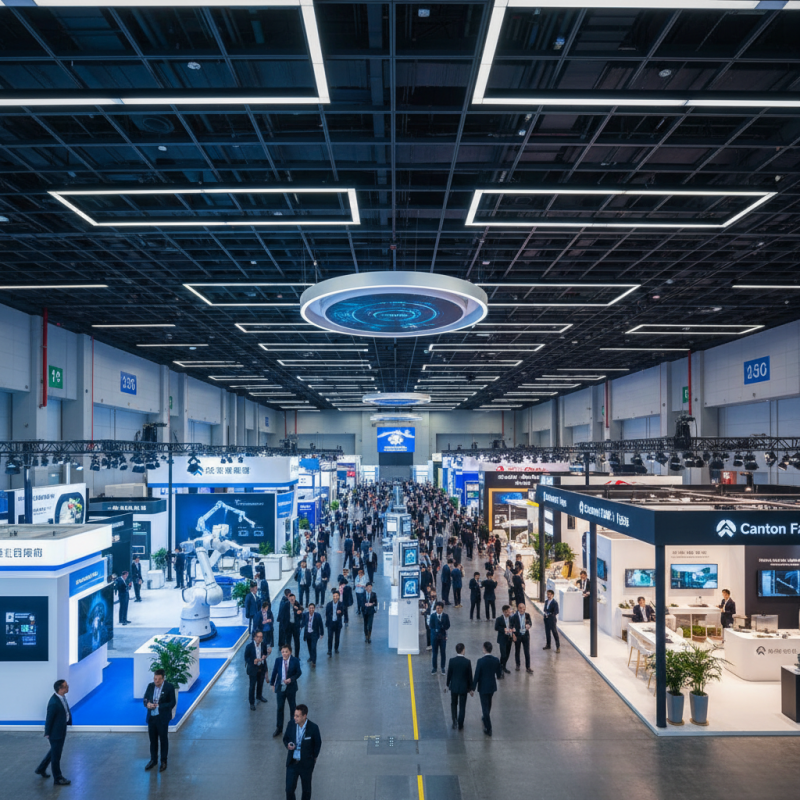
The KNX lighting control system is revolutionizing how we manage lighting in commercial spaces. At industry events like the Canton Fair 2026, the impact of this system becomes evident. Reports indicate a 30% reduction in energy consumption when using KNX systems. This not only cuts costs but also supports global sustainability goals.
KNX systems offer flexibility in design. Users can control lighting from various devices, enhancing user experience. However, the learning curve can be steep. Training is essential for effective use. Studies suggest that 25% of users struggle with basic functionalities after initial setup. It's crucial to address these challenges to maximize efficiency.
Intelligent lighting adjusts based on occupancy. The result? Improved comfort and productivity. Research shows people are 20% more productive in well-lit environments. However, Poor implementation can lead to inconsistent lighting levels. Continuous monitoring and adjustments are needed for optimal performance. These systems are not without their flaws, demanding ongoing evaluation.
As we look toward the Canton Fair 2026, the emphasis on energy efficiency remains paramount. Implementing KNX lighting control contributes significantly to reducing energy consumption. With smart sensors, lights can adjust to natural daylight. This responsiveness helps conserve energy during daytime.
Another crucial detail is the scalability of KNX systems. They suit small shops and large exhibitions alike. However, businesses sometimes miscalculate their lighting needs, leading to over-illumination. This is where careful planning and adjustment are vital. Not every space requires the same lighting intensity. Fine-tuning these systems can yield better energy savings.
User interaction is essential for maximizing energy efficiency. Educating staff on using the system effectively can be a challenge. Some may find it complicated or overwhelming. Regular training sessions could enhance user engagement and reduce wasted energy. It’s about creating a culture of awareness and responsibility in managing energy use.
KNX lighting control systems are revolutionizing the user experience at events like the Canton Fair 2026. By integrating these systems, exhibitors can enhance comfort for visitors. Customization options allow for adjustable lighting that suits different displays and activities. According to industry reports, optimized lighting can improve visitor retention by up to 30%. This means more time for engagement and interaction.
User comfort is not just about aesthetics. Personalized lighting can affect mood and perception. A study indicated that 70% of people feel more relaxed in well-lit environments. At the Canton Fair, this could translate to increased interest in showcased products. However, many exhibitors overlook the technical setup. Flaws or miscalculations in lighting presets can diminish overall impact.
Customization options include brightness, color temperature, and automated settings. This adaptability creates an inviting atmosphere. Yet, the complexities of programming can present challenges. Difficulty in navigating the system may deter exhibitors from utilizing its full potential. Embracing user-friendly interfaces is vital. When handled well, KNX systems can indeed offer remarkable benefits and improved comfort for all attendees.
At the Canton Fair 2026, the integration of KNX lighting control with smart home and building management systems is vital. According to a recent industry report, the smart lighting market is projected to reach $23 billion by 2027, driven by energy efficiency demands. KNX allows seamless communication among devices. This creates a more intuitive user experience.
Many installations face challenges during integration. User interfaces can be complex, leading to confusion. A smooth interaction is crucial. The convenience of controlling lighting via a centralized system is appealing, but implementation hurdles remain. Data shows that 40% of users struggle with the setup.
Moreover, building management systems require significant adaptation. Lighting control needs can differ significantly across regions and building types. An adaptable system that learns user patterns may take time to develop fully. Observation is necessary. Owners must evaluate usage trends. This can help optimize energy savings and enhance comfort. The potential for efficiency is enormous, but it requires careful planning and often reevaluation of current practices.
This chart illustrates the top 10 benefits of implementing KNX Lighting Control in modern smart home and building management systems. Each benefit is presented with a corresponding value reflecting its perceived importance.
The evolution of KNX lighting control continues to reshape how we experience and manage lighting in our environments. At the Canton Fair 2026, attendees will notice a focus on smart integrations. These systems allow lights to respond to environmental changes, enhancing energy efficiency. Imagine walking into a room and the lights automatically adjusting to the natural light outside. This not only conserves energy but also creates a more comfortable atmosphere.
Future trends show an increased emphasis on user-friendly interfaces. Interactivity will become essential. Systems may integrate voice commands and mobile apps, making control seamless. However, there are concerns about over-reliance on technology. We risk becoming too detached from simple, manual controls. As lighting systems advance, we should reflect on our interactions with them. Balancing innovation while respecting traditional methods is crucial for overall user satisfaction.
: The KNX lighting control system helps manage lighting in commercial spaces, aiming for energy efficiency.
Reports indicate a 30% reduction in energy consumption using KNX, which can lower costs.
Yes, training is essential. About 25% of users struggle with basic functions after setup.
Intelligent lighting adjusts based on occupancy, leading to better comfort. Productivity can increase by 20%.
Many users find interfaces complex. Around 40% struggle with the setup process.
Yes, lighting needs vary across regions. An adaptable system learns user patterns over time.
Future trends include user-friendly interfaces and voice command integration, enhancing ease of use.
Yes, over-reliance might detach users from simple, manual controls. Reflection on this balance is important.
Owners should evaluate usage trends continually. This helps optimize energy savings and enhance comfort.
Poor implementation can lead to inconsistent lighting levels, needing continuous monitoring for improvements.
KNX Lighting Control systems offer a multitude of advantages that are particularly relevant for modern spaces, as highlighted in the context of the Canton Fair 2026. Firstly, these systems significantly enhance energy efficiency, allowing users to optimize their lighting consumption and reduce overall operational costs. Moreover, KNX technology provides improved user comfort through customizable settings, enabling users to create specific ambiance tailored to their preferences.
In addition to energy savings and comfort, KNX Lighting Control systems seamlessly integrate with smart home and building management systems. This integration paves the way for a more cohesive and intelligent living environment, enhancing automation and control. As the industry continues to evolve, future trends in KNX Lighting Control will likely focus on advanced functionalities and sustainability, solidifying its role as a pivotal solution in modern lighting technology.

Cool Light