High Brightness LED Lights are transforming the way we illuminate our environments. Their efficiency and longevity offer substantial benefits. These lights consume less energy, thus lowering electricity costs. They also last significantly longer than traditional lighting options. This durability makes them appealing for various applications.
In outdoor settings, High Brightness LED Lights provide enhanced visibility. They are widely used in streets, parks, and parking lots. The increased brightness improves safety and security. However, there are challenges worth noting. Not all products meet quality standards, leading to inconsistent performance.
In commercial spaces, High Brightness LED Lights create a vibrant atmosphere. They enhance displays in retail shops and attract customers. Yet, not every application involves straightforward benefits. Some may experience issues with color rendering or dimming. Understanding these lights' strengths and weaknesses helps users make informed decisions.
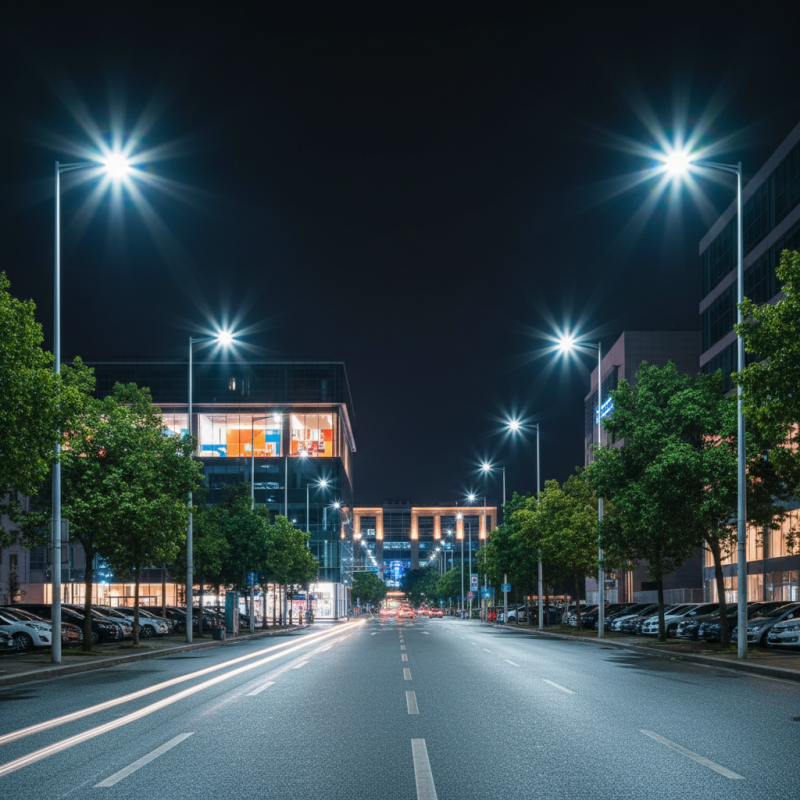
High brightness LED lights have transformed lighting technology. They provide intense illumination while using less energy. This efficiency leads to significant cost savings over time. These lights have applications in various fields. They are particularly useful in street lighting, automotive headlights, and industrial settings.
The key features of high brightness LEDs include their long lifespan and durability. They can last up to 50,000 hours or more. This reduces the need for frequent replacements, which can be beneficial in remote areas. However, not all LEDs are created equal. Some may not deliver the promised brightness or efficiency, leading to dissatisfaction.
Another aspect worth considering is the heat they generate. High brightness LEDs can get hot during extended use. Proper heat management is crucial to maintain performance. Additionally, their light quality may vary. Some emit harsh light, which can cause visual discomfort. It is important to choose wisely and prioritize needs.
| Feature | Description | Applications | Benefits |
|---|---|---|---|
| Energy Efficiency | High brightness LEDs consume less power compared to traditional lighting. | Residential, Commercial, and Industrial Lighting | Lower electricity bills and reduced carbon footprint. |
| Longevity | LEDs have a longer lifespan, often lasting over 25,000 hours. | Streetlights, Outdoor Signage, and Architectural Lighting | Reduced maintenance costs and less frequent replacements. |
| Brightness | High output lumens for better illumination. | Automotive Lighting, Sports Facilities, and Theaters | Enhanced visibility and safety in various environments. |
| Color Rendering | High CRI (Color Rendering Index) values for accurate color depiction. | Retail Spaces, Photography Studios, and Art Galleries | Improved aesthetic appeal and accurate color representation. |
| Eco-Friendly | Free of toxic elements like mercury, making them safer for the environment. | Indoors and Outdoors, including Parks and Gardens | Contributes to sustainability and reduces environmental impact. |
High brightness LED lights offer numerous benefits for various applications. Their efficiency stands out in spaces like warehouses and outdoor areas. These lights consume less energy, lowering electricity costs significantly. They also have a longer lifespan, reducing the frequency of replacements.
In industrial settings, high brightness LED lights enhance visibility and safety. Workers can see better, leading to fewer accidents. In retail environments, these lights can draw customers in with vibrant colors. It’s impressive how they can influence shopping behavior. However, some may find the intensity overwhelming in small spaces.
Street lighting is another area where high brightness LEDs excel. They illuminate roads effectively, improving nighttime visibility. This reduces crime and supports community safety. Yet, the brightness may cause light pollution. Balancing light output and environmental impact remains a concern. These complexities challenge the effectiveness of LED implementation.
High brightness LED lights are transforming both indoor and outdoor environments.
In outdoor settings, they illuminate parks, streets, and stadiums. Their intense brightness enhances visibility and safety during nighttime.
This makes night jogs or events feel safer. Streets feel more welcoming when they are brightly lit.
Parks become active spaces for families and friends.
In indoor applications, these LEDs shine in commercial and residential areas.
Offices benefit from bright, focused lighting. It improves productivity and focus among employees.
Retail spaces use these lights to highlight products. This creates a vibrant atmosphere for shoppers.
Homes also use high brightness LEDs. They brighten kitchens and living rooms.
However, some users may find them too harsh.
Adjusting to the right brightness can be a challenge.
While these lights have many advantages, they might not suit every situation.
Not all users appreciate bright lights. Some prefer softer lighting for relaxation.
Balancing light intensity in different areas can be tricky.
It’s essential to consider personal preferences and tasks.
Finding the right fit for various settings requires thought and adjustment.
High brightness LEDs (HB LEDs) have been a game changer in the lighting industry. Compared to traditional lighting options, such as incandescent and fluorescent bulbs, HB LEDs offer superior energy efficiency. According to a 2021 report by the U.S. Department of Energy, LED lighting can save up to 75% in energy consumption compared to traditional sources. This drastic reduction in energy use translates to lower electricity bills for consumers and businesses alike.
Moreover, the lifespan of HB LEDs significantly outstrips that of traditional bulbs. While an incandescent bulb might last about 1,000 hours, an LED can last up to 25,000 hours or more. This longevity contributes to reduced waste and fewer replacements, making LEDs an environmentally friendly option. However, the initial investment can be a concern for some. Many still see traditional options as cheaper upfront, despite the long-term savings LEDs provide.
Light quality is another area to consider. HB LEDs offer better color rendering index (CRI) values, enhancing the appearance of spaces. However, not all LEDs are created equal, and some lower-quality products might emit harsh light. This leads to an uncomfortable atmosphere in settings like homes or offices. Finding the right balance between cost, durability, and quality is essential for consumers exploring their options.
Future trends in high brightness LED technology highlight significant advancements and opportunities. The global market for high brightness LEDs is expected to grow substantially. According to a report by ResearchAndMarkets, the market size was worth around $45 billion in 2021 and is projected to exceed $70 billion by 2026. This surge reflects the increasing demand for energy-efficient lighting solutions in various sectors.
The evolution of high brightness LEDs focuses on improved efficiency and durability. Recent innovations in chip design allow for higher lumens per watt. This means brighter lights with lower energy consumption. Moreover, the thermal management of LEDs is progressing. Efficient heat dissipation techniques will reduce maintenance costs and enhance lifespan. However, challenges remain. Not all manufacturers have adopted these advancements, and inconsistencies in product quality can be concerning.
There is also a shift towards smart lighting systems. Integrated sensors and IoT technology promise greater control over lighting environments. These systems can optimize energy use based on occupancy and time of day. Yet, issues regarding data privacy may arise. Users may hesitate to integrate smart systems if they are unsure about security. Future developments in high brightness LED technology must address these concerns to maximize their impact.
The chart illustrates the benefits of High Brightness LED Lights across various dimensions such as energy efficiency, longevity, color quality, environmental impact, and cost reduction. Each bar represents the effectiveness of these benefits on a scale of 0 to 100.
: Engage in regular physical activity. It boosts mood and reduces stress.
Start with deep breathing exercises. Focus on your breath for a few minutes each day.
Feelings of exhaustion and lack of motivation are key signs. Reflect on your daily habits.
Regular contact is important for well-being. Aim for weekly meet-ups or calls.
A balanced diet can influence mood. Ensure you eat fruits, vegetables, and whole grains.
Absolutely. Reaching out for support shows strength. Everyone needs help sometimes.
Practice gratitude daily. Write down things you appreciate every morning or night.
Yes, engaging in hobbies can provide joy and distraction from stress. Try new activities.
Quality sleep is crucial. Poor sleep can lead to irritability and lower focus.
Use time management techniques. Break tasks into smaller, manageable steps. Reflect on your progress.
High Brightness LED Lights are revolutionizing the lighting industry with their advanced technology and impressive features. These lights offer significant benefits, including energy efficiency, longer lifespan, and enhanced brightness, making them suitable for various applications. From outdoor settings like street lighting and architectural highlights to indoor environments such as commercial and residential spaces, High Brightness LED Lights provide versatile solutions that surpass traditional lighting options.
Furthermore, a comparative analysis reveals that High Brightness LEDs not only offer superior performance but also lower operational costs compared to conventional lighting methods. Looking ahead, future trends in High Brightness LED technology suggest continued innovations that could further enhance their efficiency and applications, significantly impacting energy consumption and sustainability in lighting solutions.

Cool Light