The world of Modern LED Lighting Design is rapidly evolving. As we approach 2026, several significant trends emerge. These innovations reflect a shift towards sustainability and energy efficiency in lighting solutions.
One notable trend is the increased use of smart lighting systems. These systems adapt to user preferences and environmental factors. For instance, you can control the brightness with your smartphone or set schedules automatically. The integration of LEDs with IoT devices creates a seamless experience.
However, challenges remain. Not all consumers fully understand these technological advancements. Designers must simplify user interfaces and promote education. As we embrace modern innovations, the balance between functionality and accessibility is crucial. The future of lighting design lies in a thoughtful approach to both artistry and utility.
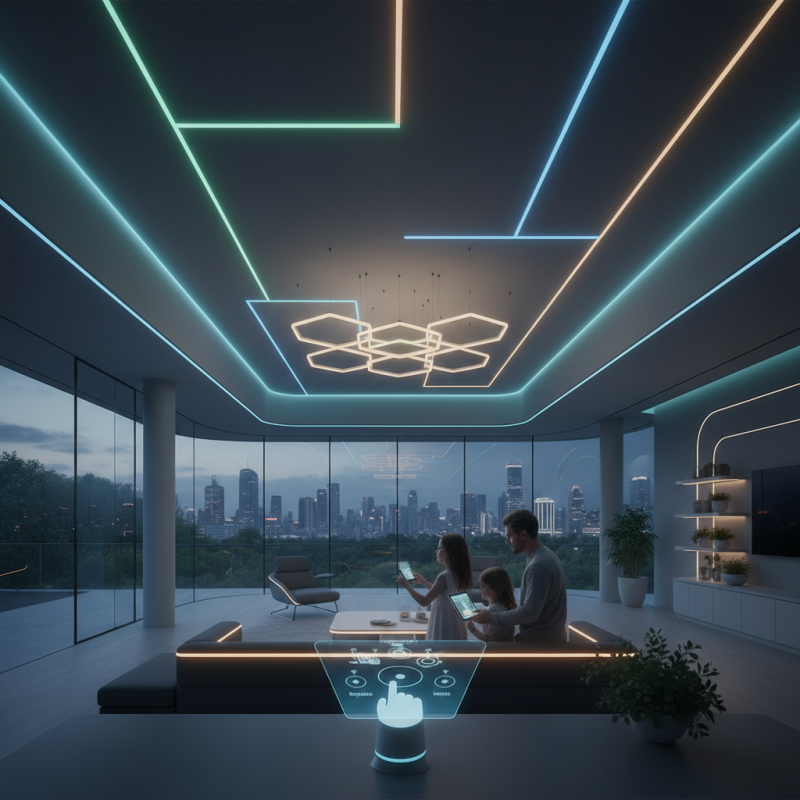
The evolution of LED lighting design reveals significant transformations over the last few decades. Initially, LEDs offered limited functionality, mostly used for indicators and displays. Gradually, innovations led to full-spectrum lighting capable of emulating sunlight. A report by the U.S. Department of Energy states that LEDs accounted for over 50% of all lighting sales by 2022, showcasing their growing dominance.
Design flexibility has played a pivotal role in this evolution. Modern LED designs frequently incorporate smart technology, allowing for remote control and customization. While this offers convenience, it also raises questions about dependency on technology. As energy-efficient solutions take the forefront, balancing aesthetics and functionality becomes crucial. Industry professionals highlight that approximately 40% of designers struggle with integrating energy standards without compromising on creativity.
Moreover, challenges in color rendering remain. While LEDs have improved significantly, achieving true color fidelity poses difficulties for some applications. Understanding the spectrum and how it affects perception still requires exploration. As we move toward 2026, addressing these imperfections will be vital for future innovations in LED lighting design. The future holds promise, but it also requires ongoing reflection on the journey from simple indicators to versatile lighting solutions.
Innovative technologies are transforming LED lighting design. Smart lighting systems are at the forefront of this shift. Data from market research firm Statista indicates that the smart lighting market is expected to reach $30 billion by 2026. This growth stems from advancements in IoT integration and user-friendly applications. Consumers now crave more control over their lighting environments.
Another significant trend is the increasing focus on energy efficiency. The U.S. Department of Energy reported that LED technology could save over $30 billion in energy costs by 2027. Smart sensors and automated systems help reduce energy waste. However, some consumers find the transition challenging. Not everyone is ready for smart solutions. There is still a learning curve in leveraging these technologies effectively.
Design aesthetics are also evolving. More architects and designers are pushing boundaries with light fixtures. The goal is to create interactive and immersive experiences. Yet, balancing form and function can be difficult. Some innovations may compromise usability for style. The industry must find a way to meet both needs effectively. As trends shift, the challenge remains to create lighting solutions that enhance lives while being intuitive and practical.
Sustainability and energy efficiency are at the forefront of LED lighting design in 2026. Modern innovations focus on reducing energy consumption while enhancing brightness and functionality. As the world embraces eco-friendly practices, the demand for energy-efficient lighting solutions continues to grow. LED technology is a key player in this movement.
Tips: Consider using dimmable LED fixtures. They adjust light output, minimizing energy use in less active areas. Smart lighting systems can also optimize energy consumption. Control your lights using timers or sensors.
Another significant trend is the integration of renewable energy sources. Solar-powered LED lights are available for outdoor use, promoting sustainability while reducing electricity bills. However, not all solar lights perform well in cloudy regions. Users must assess their local climate before making purchases.
Tips: Utilize energy audits to assess your lighting needs. Removing excess fixtures can cut down on wasted energy. Explore options for local recycling programs when upgrading your lighting solutions.
| Trend | Description | Benefits | Implementation Status |
|---|---|---|---|
| Smart Lighting Control | Integration of IoT technology for enhanced control over lighting systems. | Increased energy savings, personalized user experiences, and improved convenience. | Widespread adoption in commercial settings; residential uptake increasing. |
| Human-Centric Lighting | Lighting designed to improve well-being by mimicking natural light patterns. | Enhanced mood, improved productivity, and better sleep quality. | Gaining traction in workplaces and healthcare facilities. |
| Lifetime Longevity | LEDs with extended lifespans, reducing the frequency of replacements. | Lower maintenance costs and reduced environmental impact. | Widely implemented, with new models continuously emerging. |
| Sustainable Materials | Use of recyclable and eco-friendly materials in LED manufacturing. | Reduced environmental footprint and improved lifecycle sustainability. | Emerging trend, with several manufacturers adopting these practices. |
| Design Flexibility | Versatile LED designs that can fit diverse applications and aesthetics. | Greater customization options and improved integration into various spaces. | Existing trend with numerous innovative designs available. |
Modern LED lighting has transformed how we perceive indoor and outdoor spaces. Aesthetics play a crucial role in this evolution. Effective LED design can create vibrant atmospheres or calming environments. Color temperature and brightness are key factors that influence mood. Warm tones evoke comfort, while cool tones promote focus. This intentional play with light can enhance the functionality of a space.
Additionally, texture and shape contribute to a room's overall feel. Unique fixtures can be conversation starters. Yet, there’s a risk of focusing too much on aesthetics, possibly neglecting how light interacts with textures. Not every design will resonate with everyone. Some may find harsh lighting uncomfortable, while others appreciate its clarity. Balancing form and function is essential. Simplistic designs can sometimes overlook emotional impact.
Moreover, the rapid development of smart LEDs offers exciting opportunities. These lights can adapt to our moods or activities. However, they may create dependency on technology. Not everyone will embrace such changes easily. Some might miss the warmth of traditional lighting. In the pursuit of innovation, there is value in reflecting on past aesthetics and understanding diverse preferences. This balance between old and new can enrich our spaces and experiences.
The rise of smart lighting systems marks a transformative phase in LED design. Industry reports estimate that the smart lighting market is projected to grow at a CAGR of 23% from 2021 to 2026. This growth is driven by advancements in connectivity and user engagement. Interactive LED solutions offer a dynamic way to integrate lighting into daily life.
Designers are exploring how smart systems can enhance environments. Voice commands and mobile apps now control hues and brightness, creating a personalized experience. Smart systems can adjust lighting based on natural light, optimizing energy use. Yet, there are challenges. Not everyone finds these technologies intuitive. User fatigue can occur with complex interfaces, sometimes leaving basic needs unmet.
Moreover, data privacy concerns are emerging alongside these innovations. As smart lighting gathers user data, transparency is essential. Consumers want assurance about how their information is used. This tension between convenience and privacy requires attention. The future of interactive LED lighting lies not just in technology, but in building trust with users.
: Regular exercise improves physical health and boosts mood. It enhances energy levels and decreases stress.
Aim for at least 150 minutes of moderate activity weekly. That’s about 30 minutes a day for five days.
It depends on the condition. Consult a healthcare provider before starting any exercise program.
Start with walking, swimming, or cycling. These activities are low impact and easy to maintain.
Set realistic goals and track progress. Finding a workout buddy can also help with accountability.
Choose easily digestible foods. A banana or yogurt can provide quick energy without feeling heavy.
Watch for signs like fatigue and persistent soreness. Listen to your body and rest when needed.
It’s okay to skip a session sometimes. Reflect on your routine and adjust as needed.
Incorporate stretching into your routine. Yoga or simple stretches can enhance flexibility over time.
Yes, warming up helps prevent injuries. It prepares your muscles and heart for a workout.
Modern LED Lighting Design has rapidly evolved, incorporating innovative technologies that enhance both functionality and aesthetic appeal. This historical perspective reveals how advancements in LED technology have paved the way for solutions that prioritize sustainability and energy efficiency, addressing the growing demand for eco-friendly lighting options.
Furthermore, the aesthetic trends in modern LED design not only inform the visual aspects of a space but also significantly influence the mood and atmosphere. As we move towards the future, smart lighting systems are set to revolutionize our interactions with lighting, creating dynamic environments that adapt to user preferences and enhance our daily lives. This synthesis of innovation and design is shaping the way we perceive and interact with light in our environments.
Cool Light