2026 Top LED Lighting Selection Tips for Global Buyers?

Time:2026-05-01 Author:Henry
0%

In the rapidly evolving world of lighting technology, LED Lighting Selection has become crucial for global buyers. According to industry expert, Dr. Emily Chen, “Choosing the right LED lighting impacts both energy savings and aesthetic appeal.” This underscores the importance of informed decision-making.

Navigating the vast market of LED products can be daunting. Buyers face countless options, each with distinct features. They must consider factors such as energy efficiency, lifespan, and color temperature. Yet, many still overlook essential details.

Understanding these key elements is vital. Each choice can significantly affect a project's success. For instance, selecting the wrong color temperature can alter the mood of a space. Buyers should take time to reflect on their needs. After all, a well-informed selection can lead to rewarding outcomes.
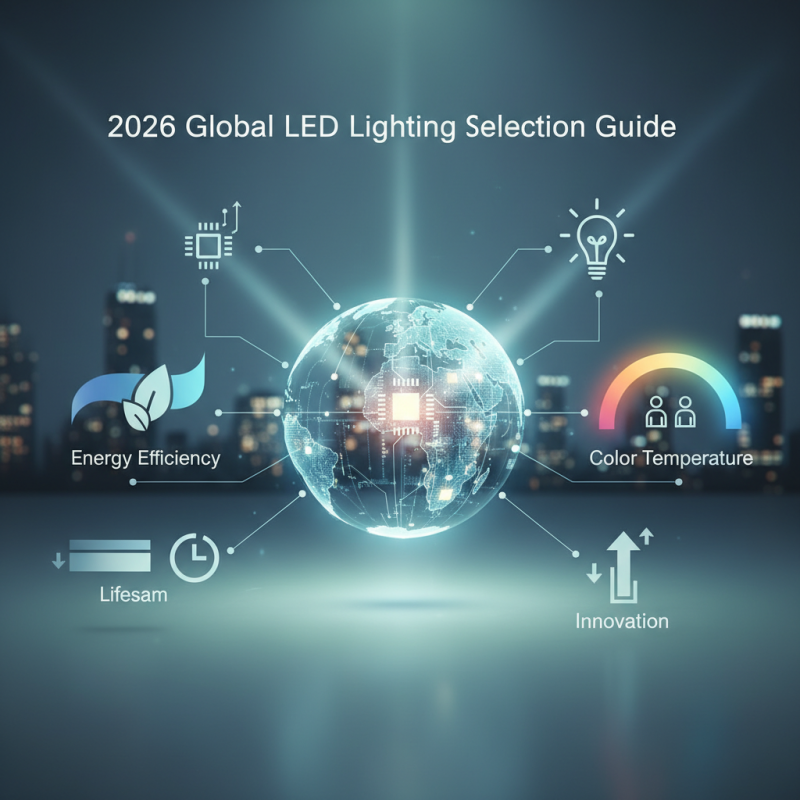
2026 Top LED Lighting Selection Tips for Global Buyers?

LED Lighting Market Overview and Trends for 2026

The LED lighting market is evolving rapidly as we approach 2026. Buyers around the globe face unique challenges and opportunities in this dynamic landscape. With growing awareness of sustainability, there's a shift toward energy-efficient lighting options. New technologies are emerging, providing innovative solutions for various industries.

When selecting LED lighting, quality is paramount. Look for certifications that guarantee performance and reliability. Consider the lifespan of products, as this impacts long-term costs. Check for energy efficiency ratings, which can assist in reducing energy bills significantly.

The trend towards smart lighting is also gaining traction. Users seek systems that integrate with home automation. This functionality enhances convenience and energy savings. However, buyers should be cautious about compatibility issues and ensure systems can adapt to their needs. Adaptation and flexibility should guide the selection process. Familiarity with market trends can lead to more informed choices.

2026 Top LED Lighting Selection Tips for Global Buyers

Category Market Share (%) Growth Rate (CAGR %) Key Features
Residential Lighting 35 7.5 Energy efficiency, Smart controls
Commercial Lighting 25 6.0 Long lifespan, Dimmable options
Outdoor Lighting 20 8.2 Weather resistant, High brightness
Industrial Lighting 15 5.5 Robust design, High lumen output
Smart Lighting 5 15.0 IoT integration, User customization

Key Factors to Consider When Selecting LED Lighting Products

When selecting LED lighting products, buyers must consider several key factors. One critical aspect is energy efficiency. Look for products that provide high lumens per watt. This ensures you achieve effective illumination while minimizing energy costs. Checking for certifications can help validate energy claims.

Another important factor is color temperature. The shade of light impacts ambiance. Warmer tones create a cozy atmosphere, while cooler tones enhance productivity. Sometimes, descriptions can be misleading. Take time to view samples in person when possible.

Durability is also essential. LEDs have a long lifespan, but materials used can vary significantly. Selecting products with solid components will ensure reliability. Regularly, buyers report performance issues with subpar items. Warranty and customer support can provide additional peace of mind. Always seek comprehensive product reviews to gauge real-world performance.

Comparative Analysis of Different LED Lighting Technologies

When considering LED lighting technologies, buyers should evaluate several key factors. Current reports indicate that the global LED market is projected to reach $107 billion by 2026. This growth reflects the demand for energy-efficient solutions across various sectors.

There are distinct distinctions among LED technologies. Traditional LED lights, like SMD (Surface-Mounted Diode) and COB (Chip-On-Board), provide reliable brightness and efficiency. Recent findings show that COB lights offer better thermal management, enhancing their lifespan. There are noticeable trade-offs. SMD may be more cost-effective, but they often lack the same durability as COB.

Another technology, OLED (Organic LED), is gaining traction for its flexibility and slim profile. However, its production cost remains high. While OLED delivers stunning visual quality, its longevity poses concerns for some users. Comparative analysis suggests that while choosing LED technology involves complexity, understanding these differences is crucial for making informed purchasing decisions.

Evaluating Energy Efficiency and Lifespan of LED Solutions

When choosing LED lighting, energy efficiency and lifespan are vital factors. These parameters determine not just performance but also long-term cost-effectiveness. Energy-efficient LEDs consume less electricity, leading to lower utility bills. This choice reduces carbon footprints and supports sustainable energy practices.

The lifespan of LED solutions can vary significantly. While many promise over 25,000 hours of use, actual performance can depend on usage, quality, and installation. Regularly assessing these factors is crucial. Some buyers may overlook this aspect, leading to premature failures and dissatisfaction. A focus on quality in selection can surprisingly yield returns that exceed initial investments.

Understanding energy efficiency ratings can seem complex. However, knowledge empowers better choices. Be aware of lumens and watts ratio. Higher lumens mean brighter light, while lower watts signify less energy consumption. This balance is essential for optimizing performance. Many users ignore this data, ultimately compromising satisfaction. Reflecting on these factors can guide informed decisions for lasting LED solutions.

Tips for Sourcing Quality and Reliable LED Lighting Suppliers

Sourcing quality LED lighting suppliers requires careful consideration. The global LED market is projected to reach $149.9 billion by 2026. This growth invites a variety of suppliers, but not all meet industry standards.

Look for suppliers with a strong track record. Research their production processes and certifications. Transparency is key. Suppliers should provide detailed information about materials and energy efficiency ratings. According to the U.S. Department of Energy, high-quality LEDs can save about 75% energy compared to traditional lighting. Reliable suppliers understand the importance of efficiency and sustainability.

Engage with suppliers directly. Request samples to evaluate quality. Trust your instinct during communication. A responsive and knowledgeable supplier often reflects their commitment to quality. The International Energy Agency highlights a concerning fact: many LED products do not meet energy efficiency guidelines. Hence, it is essential to verify specifications and conduct thorough background checks. Look for suppliers with positive reviews and case studies to substantiate their claims. Make informed decisions to ensure that your investments pay off in the long term.

FAQS

: What should I consider when choosing LED lighting products?

: Focus on energy efficiency and look for high lumens per watt. Certifications verify claims.

How does color temperature affect my space?

Warmer tones create cozy atmospheres, while cooler tones enhance productivity. Descriptions can be misleading.

Why is product durability important in LED lighting?

LEDs vary in material quality. Reliable components ensure long-lasting performance and reduce customer complaints.

What are common issues reported by LED lighting buyers?

Many report performance issues with low-quality products. Warranty and customer support are crucial for reassurance.

How can I learn about market trends in LED lighting?

Familiarity with trends helps make informed choices, saving time and money in the selection process.

What are some challenges in selecting smart LED lighting?

Compatibility issues can arise. Ensure that systems meet your specific needs for better integration.

Are there different types of LED technologies?

Yes, SMD, COB, and OLED each have unique features. Know the trade-offs between cost, durability, and performance.

Is there any concern about the longevity of OLED technology?

Yes, while OLED offers stunning visuals, its lifespan can be shorter compared to traditional LEDs.

How can I validate the energy efficiency of LED products?

Check for energy efficiency ratings and certifications. This helps reduce long-term energy costs effectively.

Why is it essential to view LED samples in-person?

Seeing samples allows you to better assess color temperature and ambiance for your specific needs.

Conclusion

The article "2026 Top LED Lighting Selection Tips for Global Buyers" provides a comprehensive overview of the LED lighting market, highlighting key trends and developments expected to shape the industry in 2026. It emphasizes the critical factors to consider when making LED lighting selection decisions, such as energy efficiency, technological advancements, and the lifespan of various LED solutions.

Additionally, the article includes a comparative analysis of different LED technologies, assisting buyers in understanding their options. It offers practical tips for sourcing quality and reliable LED lighting suppliers, ensuring that users can navigate the market effectively. This resource is invaluable for global buyers looking to optimize their LED lighting selection for both performance and sustainability.

Henry

Henry

Henry is a dedicated marketing professional with a profound expertise in the company's offerings. With years of experience in the industry, he possesses an impressive understanding of the market dynamics and consumer behaviors that drive success. Henry is committed to sharing his insights through......